USB Condenser Mics Explained: How They Work & Pros
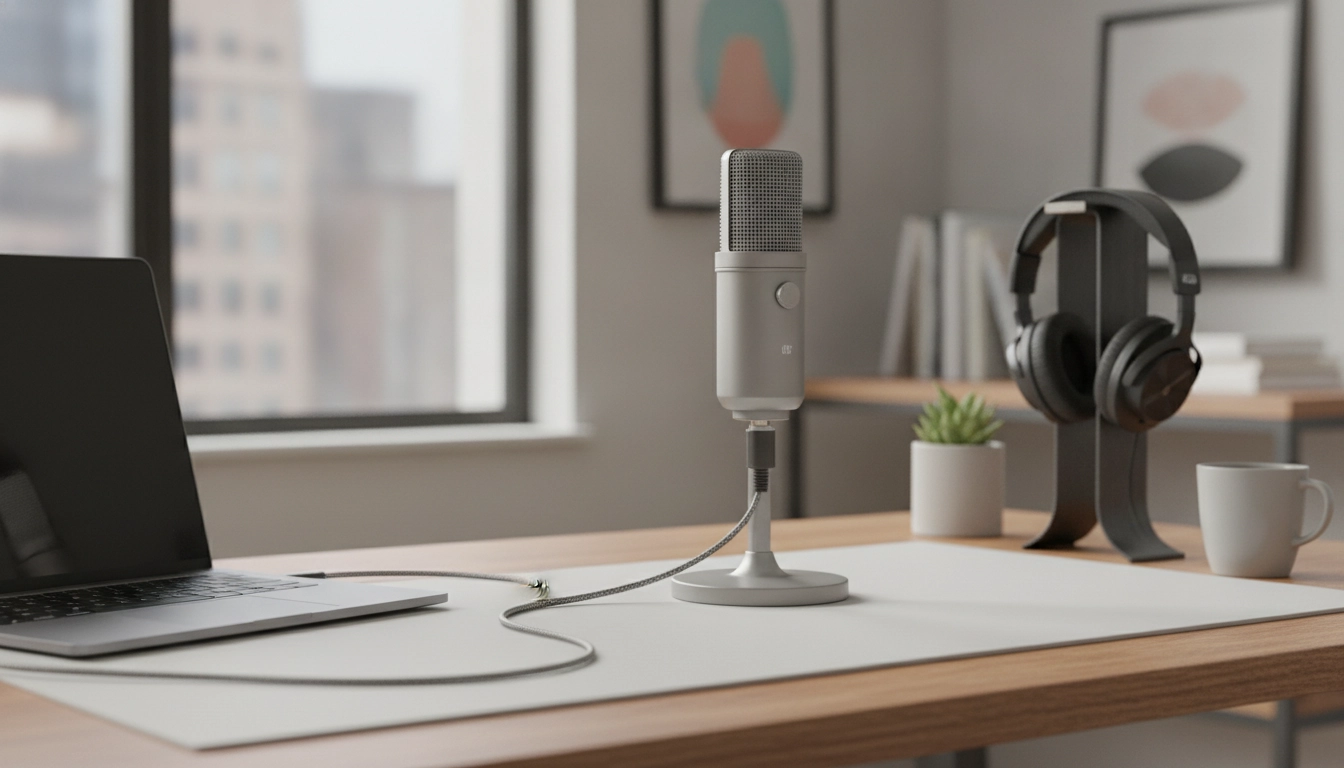
Can a condenser mic be USB?
Yes—many condenser microphones are USB. A USB condenser mic has the microphone capsule (the “condenser” part) plus built-in electronics that handle preamplification and analog-to-digital conversion, so it can plug directly into a computer without an external audio interface. This makes USB condensers a popular choice for podcasts, streaming, voiceovers, online meetings, and quick home recording setups.
How a USB condenser mic works
Traditional condenser microphones usually output an analog XLR signal and require phantom power (typically 48V) from an audio interface or mixer. A USB condenser mic still needs power, but it gets it from the USB connection. Inside the mic, a preamp boosts the signal and an internal converter turns it into digital audio your computer can recognize.
Why choose a USB condenser mic?
USB condensers are designed for convenience: fewer cables, fewer boxes, and faster setup. Many models include practical extras like a headphone jack for zero-latency monitoring, onboard gain control, and a mute button—useful for calls and live recording. For most voice-focused uses, a quality USB condenser can sound clean and detailed right out of the box.
Potential drawbacks to know
USB mics can be less flexible for expanded setups. If you want to record multiple microphones at once, route audio through outboard gear, or upgrade components over time, an XLR condenser with a dedicated interface often offers more control. USB mics can also be more dependent on computer USB power and drivers, though most are plug-and-play.
Want a deeper breakdown?
For a fuller comparison of USB vs. other connection types and what to look for before buying, read the main guide here: https://gertrudo.com/can-a-condenser-mic-be-usb/.
For USB Condenser Mics Explained: How They Work & Pros, the best answer depends on fit, material, care instructions, and how the product will be used day to day.
FAQ
Do USB condenser microphones need phantom power?
No. USB condenser mics receive power through the USB connection and include their own internal preamp and conversion, so external 48V phantom power isn’t required.













Leave a comment