Ultralight Tent Drawbacks: Durability, Space, Setup
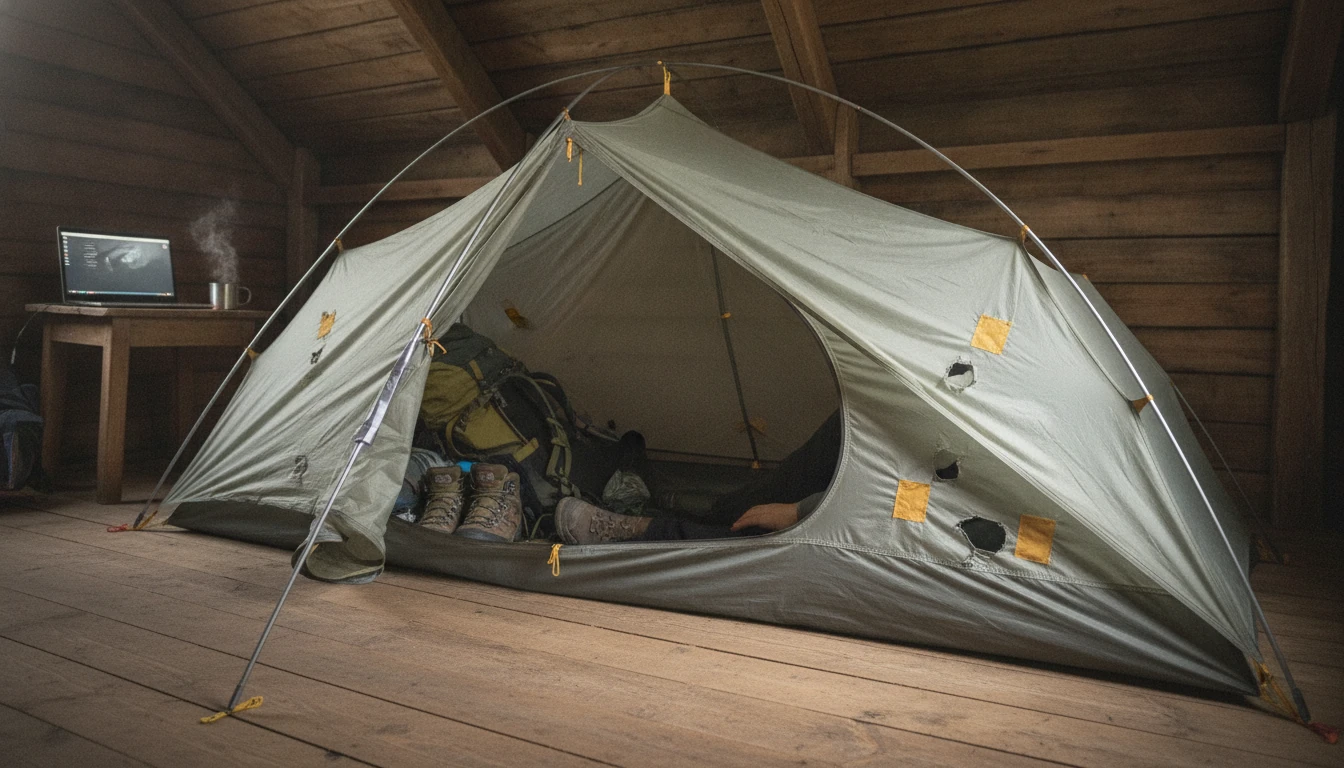
What are the drawbacks of ultralight tents?
Ultralight tents make it easier to cover miles with less strain, but that weight savings usually comes with trade-offs that matter once the weather turns or camp life stretches beyond a single night. The biggest drawbacks tend to fall into durability, protection, space, and ease of use.
Less durability and shorter lifespan
To hit ultralight targets, manufacturers often use thinner fabrics, lighter zippers, and minimal hardware. These materials can be more vulnerable to abrasion, punctures, and UV wear, especially on rocky sites or during frequent trips. Many ultralight shelters perform best when paired with careful campsite selection and a groundsheet.
Reduced storm-worthiness
Some ultralight designs rely on fewer poles, smaller diameters, or trekking poles for structure. That can mean more movement in high winds, greater dependence on solid stakes, and less forgiveness on exposed ridgelines or saturated ground. In heavy rain, smaller vestibules and tighter tolerances can also increase the chance of splashback or contact with wet walls.
Tighter interior space and comfort
Weight savings often show up as narrower floors, lower peak height, or steeper wall angles. Two-person ultralight models can feel snug with wide sleeping pads, and head/foot contact with the canopy is more likely. Condensation management may also be less comfortable if ventilation is limited or if mesh and fabric panels are minimized.
More setup complexity and higher skill requirements
Ultralight tents can demand better pitching technique: precise stake placement, correct tension, and attention to wind direction. Single-wall options may require extra care to avoid brushing condensation, and trekking-pole shelters add variables like pole height and guyline adjustments.
Cost and specialized accessories
Advanced fabrics and minimalist engineering can raise prices. Some shelters also assume add-ons—extra guylines, stronger stakes, or a compatible footprint—to reach their best performance.
For a deeper breakdown and practical tips, see the full guide: https://gertrudo.com/what-are-the-drawbacks-of-ultralight-tents/.
FAQ
How do I make an ultralight tent last longer?
Use a groundsheet, avoid pitching on abrasive surfaces, and keep the fabric out of direct sun when possible. Dry it fully before storage and reapply seam sealer or waterproof treatments as needed.













Leave a comment