22L Cooler Box for Car Camping: Pack, Chill, Go
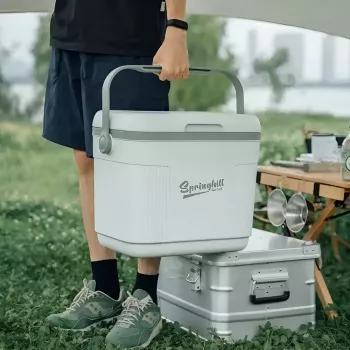
22L Portable Insulated Cooler Box for Car, Camping & Outdoor Use
A 22L portable insulated cooler box is built for real travel constraints: tight trunk space, long drives, quick stops, and the need to keep groceries, drinks, and meal prep at safe temperatures. It’s small enough to carry and tuck beside other gear, yet large enough to support a day outside or a simple overnight camp setup—especially when you pack with temperature and access in mind.
If you’re shopping for a compact cooler that’s easy to manage, take a look at the 22L Portable Insulated Cooler Box for Car, Camping & Outdoor Use.
What a 22L cooler is best for
This size is most useful when portability and “grab-and-go” convenience matter as much as cold retention. It tends to outperform bigger coolers on ease-of-use—especially when you’re opening it often, moving it between car and campsite, or packing around limited storage.
- Day trips, overnights, and short multi-day outings where restocking ice is possible
- Car camping and tailgates where the cooler stays close to the vehicle and is opened frequently
- Keeping drinks cold while separating quick-grab items from longer-term food storage
- Backup cold storage for picnics, beach days, fishing, and outdoor events
- A practical size for solo travelers or pairs who want portability over maximum capacity
Capacity planning: what 22L can realistically hold
“22 liters” sounds straightforward, but real capacity depends on how much space you dedicate to ice and how tightly you pack. The best results usually come from packing like a fridge drawer: dense, organized, and pre-chilled.
- Plan for a tradeoff between ice and usable space: more ice extends chill time but reduces room for food and cans.
- Use stackable containers to reduce air gaps; trapped air warms faster than tightly packed contents.
- Pre-chill drinks and ingredients before loading to preserve ice and steady internal temperature.
- Reserve one corner for a small thermometer probe or dial thermometer to spot temperature drift quickly.
| Use case | Typical load | Ice strategy | Practical notes |
|---|---|---|---|
| Road trip drinks | 10–14 cans + 2–4 small snacks | Top layer ice or ice packs | Keep frequently opened items on top to reduce lid-open time |
| Overnight camp meals | 2 simple meals + breakfast items + beverages | 1/3 of volume in ice or 2–4 large ice packs | Pack raw proteins at the bottom in a sealed container to prevent leaks |
| Beach/picnic | Sandwiches, fruit, and 6–10 drinks | Flat ice packs against the sides | Use a dry container for bread and greens to avoid sogginess |
| Fishing/day on water | Drinks + bait/food in separate sealed bags | Ice in a bag to manage meltwater | Keep items double-bagged and wipe down after salt exposure |
Keeping food cold and safe on the road
Small coolers can keep food safe, but only if you treat them like a temperature-controlled container—not just a box of ice. The goal is to keep perishables at 40°F (4°C) or below. A compact cooler thermometer makes this easy to monitor, and it helps you spot problems early rather than guessing.
- Target temperature: keep perishable foods at 40°F (4°C) or below; check with a small cooler thermometer.
- Use two-zone thinking: one cooler for drinks (frequent opening) and one for perishables (opened less often) when possible.
- Pack order matters: coldest items and raw proteins at the bottom; ready-to-eat foods above them in separate containers.
- Use watertight containers and zip bags to prevent cross-contamination if ice melts.
- When in doubt after long exposure to warm conditions, follow established guidance and discard risky items.
For quick reference on safe handling, see the FDA’s guidance on Refrigeration and Food Safety and the CDC overview of keeping food safe.
Ice, ice packs, and meltwater management
If you’re packing meat for grilling, remember that food safety depends on both storage temperature and proper cooking. The USDA provides a helpful chart of safe minimum internal cooking temperatures.
Car camping setup tips that improve performance
For long driving days, a calmer pace can make stop-and-go organization easier (and reduce how often you rummage with the lid open). The Calm Your Mind: Guided Meditation Series is a useful option to keep on your phone for breaks and wind-down time at camp.
Care, cleaning, and odor prevention
When to choose this 22L portable insulated cooler box
For a straightforward option designed around those needs, the 22L Portable Insulated Cooler Box for Car, Camping & Outdoor Use is a practical match for road trips, tailgates, and compact camp kitchens.
FAQ
How long will a 22L cooler keep food and drinks cold?
It depends on starting temperature, ice-to-contents ratio, outside heat, sun exposure, and how often the lid is opened. With pre-chilled contents and a solid amount of block ice or large packs, a 22L cooler often stays reliably cold for a full day and can stretch into an overnight with good shade and minimal opening.
Is it safe to store raw meat in a cooler during car camping?
Yes, as long as the cooler stays at or below 40°F (4°C), the meat is sealed in a leakproof container, and it’s packed at the bottom away from ready-to-eat foods. A small thermometer removes guesswork, and any food that warms too long in hot conditions should be treated cautiously.
What’s better for a small cooler: ice cubes or ice packs?
Ice cubes cool quickly but melt faster and can leave you managing water; ice packs are cleaner and easier to stack. For the longest-lasting cold, block ice or frozen water bottles usually win, and a mix (long-lasting base plus a small top layer) balances performance and convenience.











Leave a comment