Best Earphone Driver Size: Is 8–12mm Ideal?
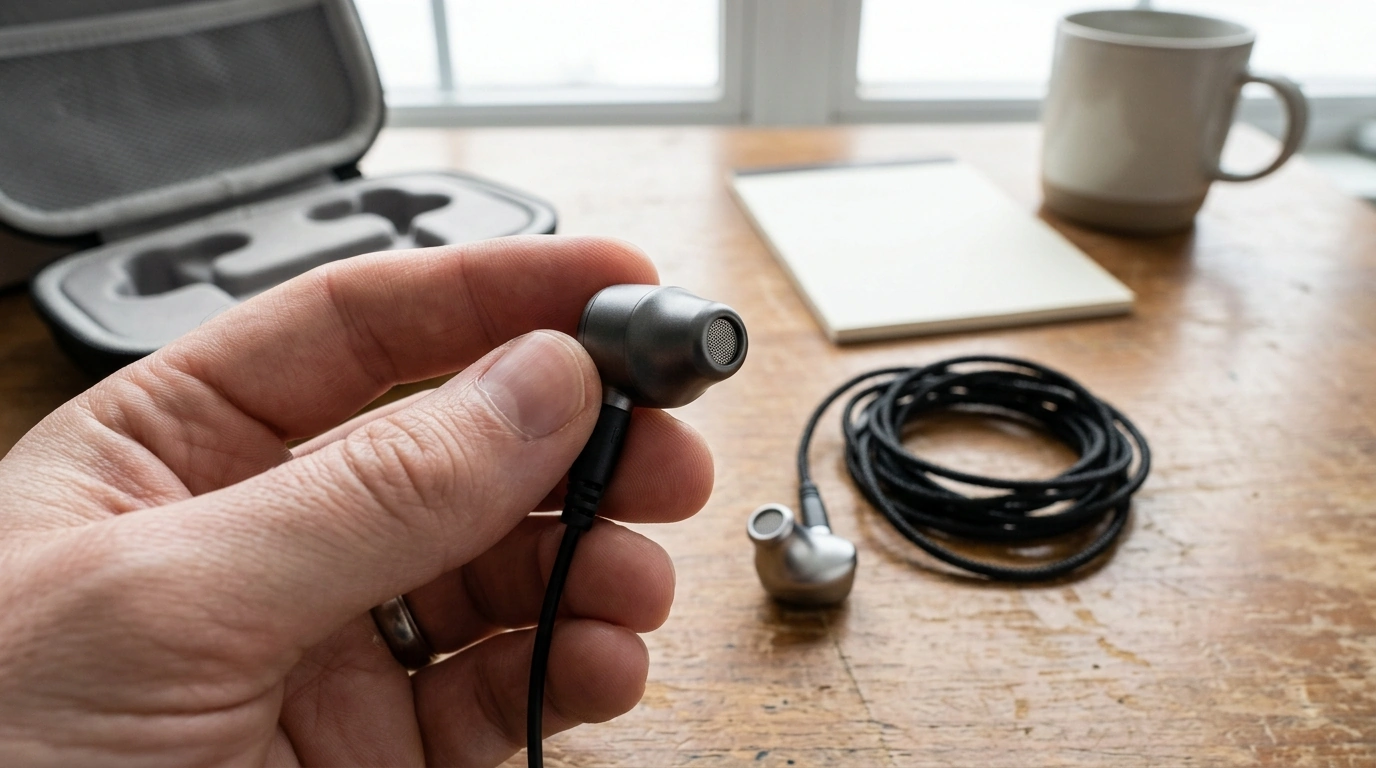
How much mm driver is good for earphones?
Answer: For most earphones, 8–12mm is a solid “sweet spot,” but the best size depends on the design and tuning.
Driver size (measured in millimeters) describes the diameter of the speaker diaphragm inside an earbud or IEM. As a general rule, many popular in-ear earphones land in the 8–12mm range because it balances punchy bass, clear vocals, and comfortable fit for a wide range of ears.
Smaller drivers (around 6–8mm) can still sound excellent, especially in compact earbuds where space is tight. They often deliver tight, controlled bass and crisp detail when paired with good tuning and a proper seal. Larger drivers (12–14mm and up) can move more air, which may help bass feel fuller, but that advantage can be reduced if the housing, vents, or ear tips don’t create a good fit.
What matters most is the complete package: driver type (dynamic, balanced armature, planar, hybrid), how the earphone is tuned, and how well it seals in your ear. A well-tuned 10mm dynamic driver can easily outperform a poorly tuned 14mm driver. If you listen to bass-heavy genres, a dynamic driver in the 10–12mm range is often a safe bet. For acoustic, vocals, and detail-focused listening, smaller dynamics or multi-driver IEMs may provide better precision—again, depending on tuning.
For a deeper breakdown of typical driver sizes and what they mean for real-world listening, visit https://gertrudo.com/how-much-mm-driver-is-good-for-earphones/.
For Best Earphone Driver Size: Is 8–12mm Ideal?, the best answer depends on fit, material, care instructions, and how the product will be used day to day.
Checking those details first helps avoid a poor match and keeps the choice practical after delivery.
FAQ
What does impedance mean for earphones?
Impedance (ohms) indicates how much power earphones need to reach a certain volume. Lower-impedance earphones are easier to drive from phones, while higher-impedance models may benefit from a dedicated DAC/amp for best dynamics and control.














Leave a comment