Watch Brands With Sapphire Crystal (And How to Confirm)
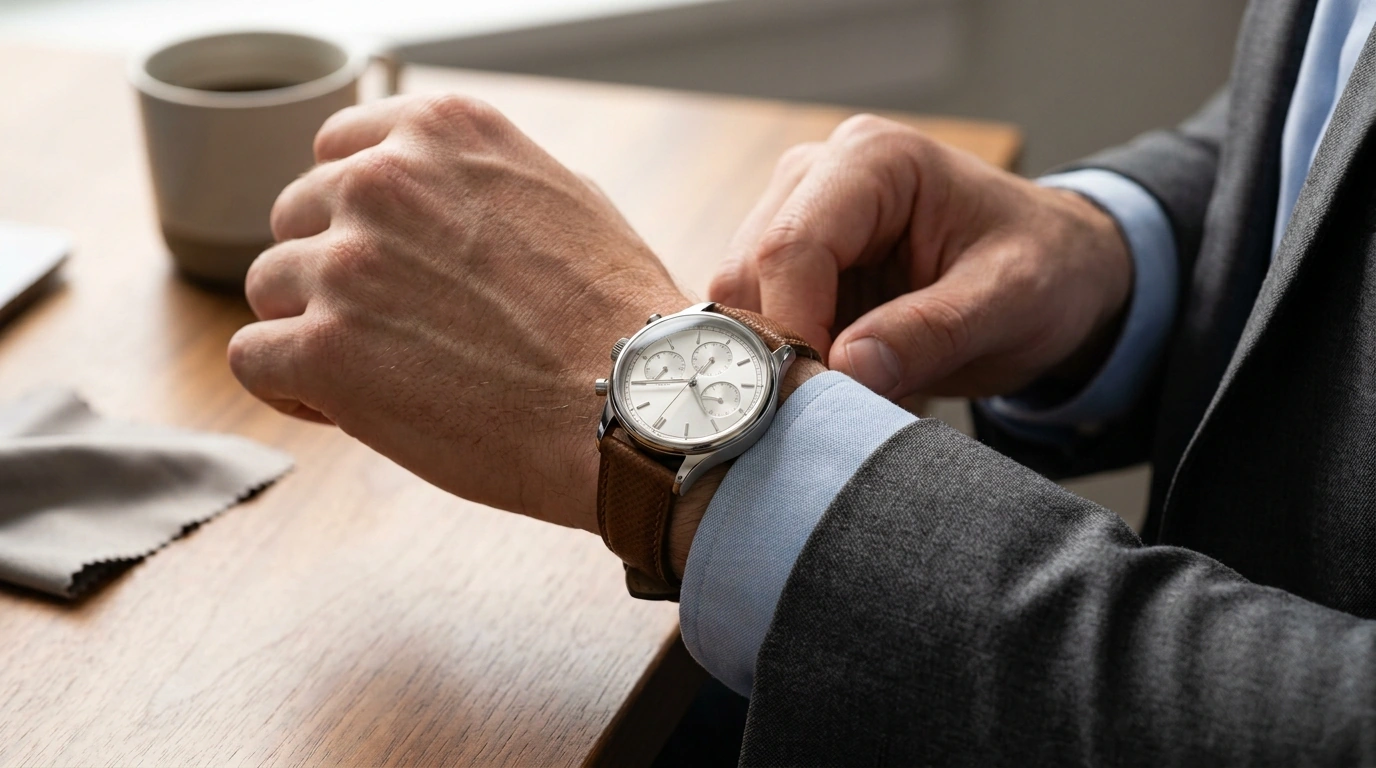
What brand of watch has a sapphire crystal?
Many watch brands offer sapphire crystal, but it’s most common on mid-range to luxury lines where scratch resistance and long-term clarity matter. Well-known brands that frequently use sapphire include Omega, Rolex, TAG Heuer, Tudor, Longines, Grand Seiko, Oris, Breitling, and IWC. You’ll also find sapphire on select models from Seiko (often labeled “sapphire” or “super-clear coating”) and Citizen (on higher-tier collections), plus plenty of microbrands that advertise sapphire as a core spec.
How to tell if a specific brand/model uses sapphire
The most reliable approach is to verify it at the model level, not just the brand. Brands often mix materials across collections—mineral on entry models, sapphire on upgrades, and sapphire with anti-reflective coating on premium references.
- Check the spec sheet: Look for “sapphire crystal,” “sapphire glass,” or “AR-coated sapphire.”
- Watch for marketing terms: “Scratch-resistant sapphire” usually means true sapphire; vague “hardened mineral” is different.
- Consider the watch type: Luxury chronographs and sport watches are especially likely to feature sapphire.
Why sapphire crystal is a big deal
Sapphire crystal is highly resistant to scratches from daily wear—keys, zippers, desk contact—so the dial stays clearer over time. While sapphire can still crack from sharp impacts, it’s generally the preferred choice for a watch meant to look new longer, especially if you wear it often or plan to keep it for years.
For a practical breakdown of sapphire crystal on a luxury chronograph (including how it pairs with everyday wear details like case size and strap choice), see the full guide here: https://gertrudo.com/guide-38mm-luxury-chronograph-sapphire-crystal-leather-strap/.
For Watch Brands With Sapphire Crystal (And How to Confirm), the best answer depends on fit, material, care instructions, and how the product will be used day to day.
FAQ
Is sapphire crystal better than mineral glass for watches?
Sapphire is usually better for scratch resistance and long-term clarity, while mineral glass can be more budget-friendly and sometimes a bit more impact-tolerant. If keeping the face looking clean is the priority, sapphire is typically the upgrade to choose.










Leave a comment