Portable Camping Cooler Bag: Packing, Safety & Care Tips
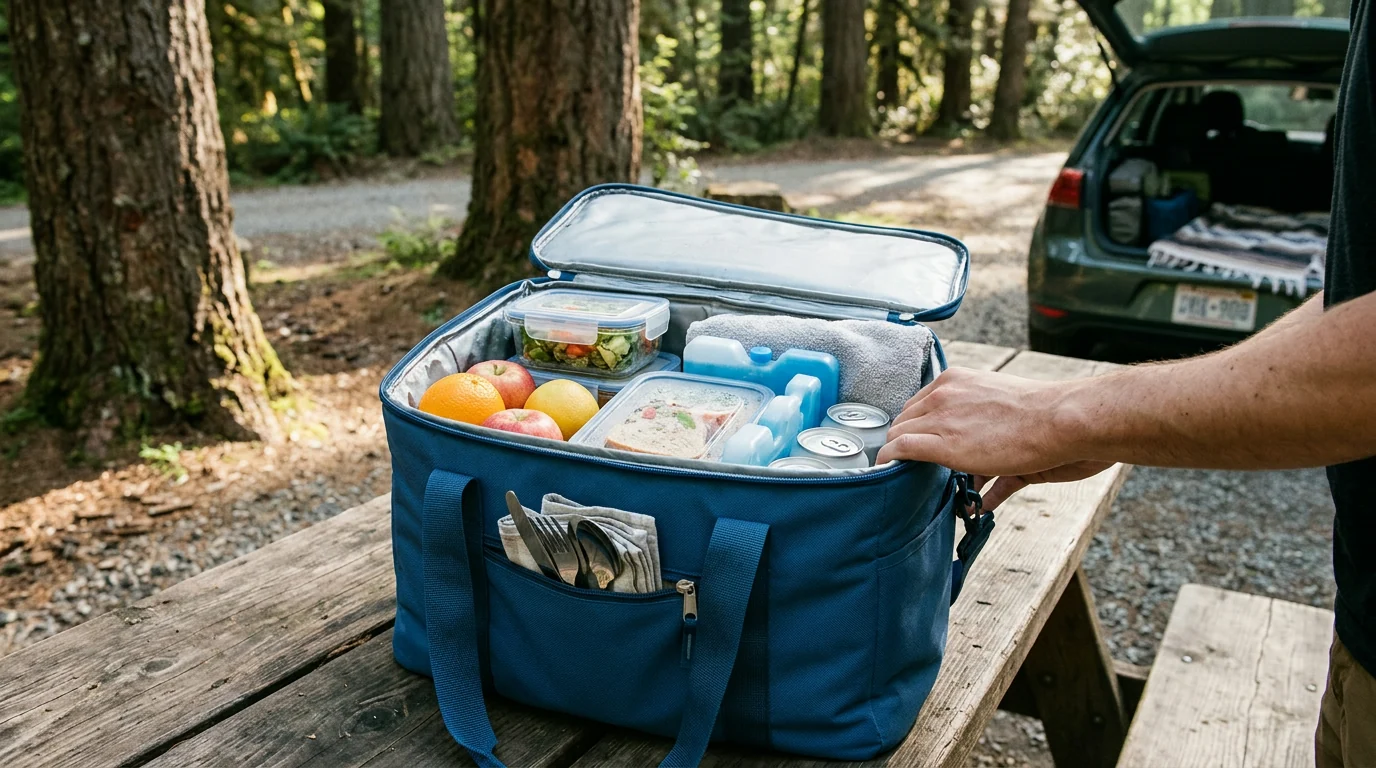
A good cooler bag keeps drinks cold, food safe, and packing simple—whether the plan is a quick picnic, a long drive to a campsite, or an all-day hike with lunch and snacks. This guide covers what matters most in a portable camping cooler bag, how to pack it for longer-lasting cold, and easy care tips for repeated outdoor use.
What a portable cooler bag does well (and where it struggles)
A portable cooler bag is designed for convenience: it’s easier to carry than a hard cooler, stores with less fuss, and fits the rhythms of day trips where you want cold food without hauling a bulky box.
- Best for: day trips, picnics, tailgates, beach days, and car camping when a hard cooler feels bulky.
- Strengths: lighter carry, easier storage, flexible capacity, quick access, and simpler organization with pockets/compartments.
- Limitations: typically shorter ice retention than rotomolded hard coolers; performance depends heavily on packing method and ambient heat.
- Ideal use cases: keeping lunch, fruit, yogurt, deli items, and drinks cold; transporting marinated foods in sealed containers; carrying ice packs for quick grab-and-go.
If the day is blazing hot or you’ll be opening the bag constantly, plan for more ice packs, more shade, and a tighter packing layout than you’d use on a mild day.
Key features to look for before buying
Not all soft coolers are built the same. A few practical details make the difference between “still cold at lunch” and “lukewarm by mid-morning.”
- Insulation and liner: thick foam insulation and a leak-resistant liner help hold temperature and contain condensation.
- Closure quality: a strong zipper or roll-top style closure reduces warm air exchange; zipper pulls should be easy with gloves.
- Carry comfort: padded handles and an adjustable shoulder strap reduce fatigue on longer walks from car to campsite.
- Leak and sweat control: sealed seams and a wipe-clean interior prevent odors and stains from spills.
- Capacity and shape: taller bags suit bottles; wide-base bags fit meal prep containers; choose a footprint that fits car trunks and camp tables.
- Pockets and organization: exterior pockets for utensils, napkins, trash bags, or a small cutting board keep food prep tidier.
- Durability: abrasion-resistant fabric, reinforced corners, and sturdy stitching matter for rocks, sand, and repeated loading.
Quick checklist for choosing a cooler bag
| Feature | Why it matters | What to look for |
|---|---|---|
| Insulation thickness | Longer cold time | Dense foam walls and lid; minimal thin spots |
| Leak resistance | Cleaner transport | Sealed liner, welded seams, tight closure |
| Carry system | Comfort and stability | Padded strap, strong handles, balanced shape |
| Interior space | Fits real meals | Flat base for containers; room for ice packs |
| Cleanability | Less odor over time | Wipe-clean liner; stain-resistant interior |
How to pack for longer-lasting cold
The fastest way to improve cooler-bag performance is packing discipline. A soft cooler can do a surprisingly good job when you load it like a temperature-control system instead of a tote bag.
- Pre-chill contents: refrigerate drinks and food overnight so the bag doesn’t have to cool them from room temperature.
- Use ice packs strategically: place one on the bottom, one on top, and one along a side for more even cooling.
- Separate dry and wet: keep foods in sealed containers or zip bags to prevent sogginess and reduce cleanup.
- Minimize empty air: fill gaps with a small towel or extra drinks; less trapped warm air helps maintain temperature.
- Open less often: group frequently grabbed items near the top and keep the rest closed.
- Use a “clean zone”: pack ready-to-eat items away from raw meat or fish; use secondary containment for raw proteins.
For day hikes, consider packing “modules”: snacks in one top pouch, lunch in one container, drinks together. You’ll spend less time rummaging with the zipper open.
Food safety basics for camping coolers
For official guidance, review the USDA’s tips for outdoor food handling and packing: USDA FSIS: Keep Food Safe When Camping, Hiking, and Boating. You can also reference the CDC’s overview of safe holding temperatures: CDC: Food Safety (Keeping Food Safe at the Right Temperature).
Care and cleaning to keep it fresh
A practical pick for grab-and-go cooling
For an easy-to-carry option suited to picnics, campsite lunches, road trips, and day outings, consider the Portable Camping Cooler Bag. Pair it with reusable ice packs, sealed containers, and a compact thermometer for more consistent results in hot weather.
Long days outside can be busy; downtime matters too. If you like winding down after the drive or settling in at camp, the Calm Your Mind: Guided Meditation Series is an easy add to a travel routine—no extra packing space, and it fits those quiet moments in a tent or by the fire.
FAQ
How long will a cooler bag keep food cold?
It depends on insulation quality, how cold the contents start, how many ice packs you use, and how much heat the bag is exposed to. Pre-chilling items, placing ice packs on the bottom and top, and minimizing how often you open the bag will extend cold time; for longer or hotter outings, use a small thermometer to confirm safe temperatures.
Can raw meat be stored in a soft cooler bag?
Yes, as long as it’s sealed in leakproof packaging and kept separate from ready-to-eat foods to prevent cross-contamination. Keep the cooler contents at 40°F (4°C) or below and wipe up any drips immediately after unloading.
How do you clean a cooler bag that smells?
Remove crumbs and residue, wash the interior with mild soap and warm water (including seams), then rinse and air-dry completely with the bag open. If odors linger, letting baking soda sit inside overnight can help absorb smells, but full drying before storage is the most important step.













Leave a comment