Waterproof Backpacks: Truly Waterproof or Just Resistant?
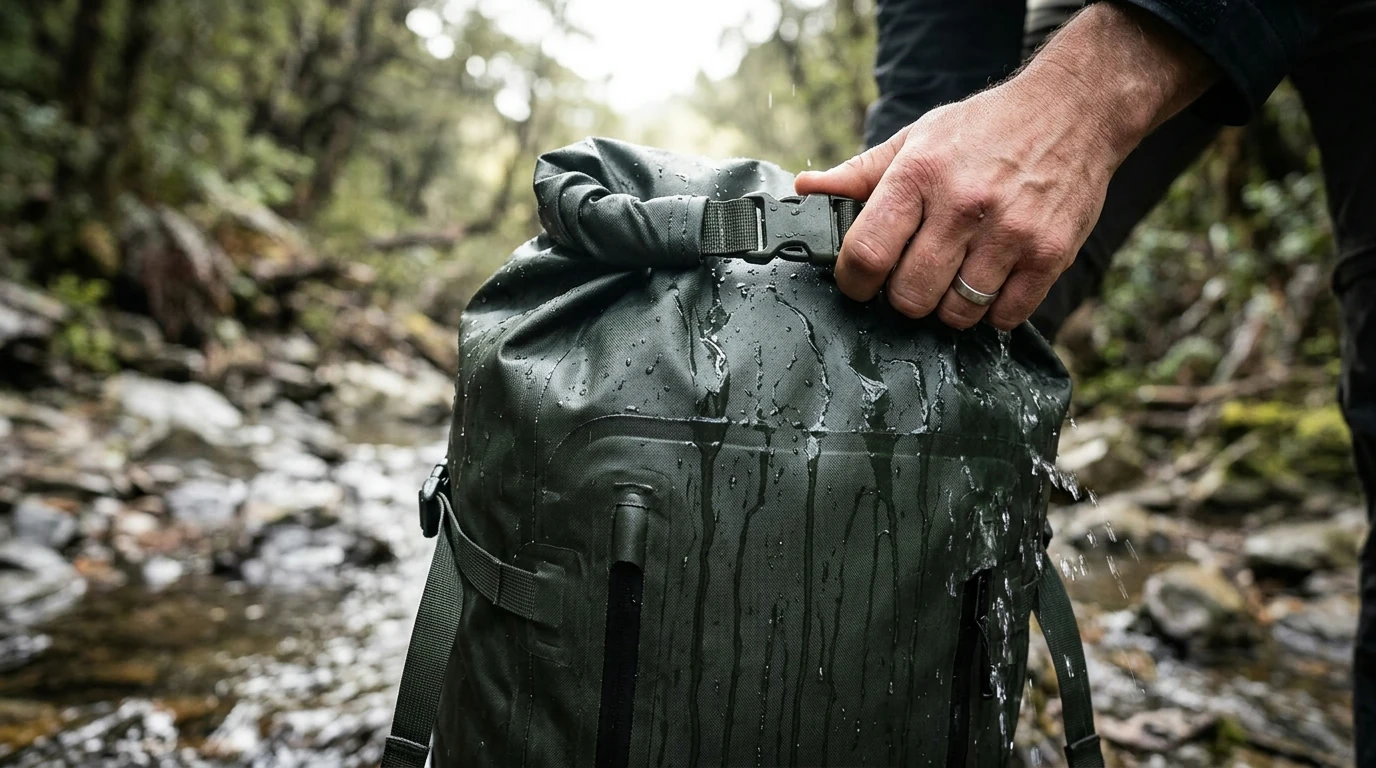
Are waterproof backpacks really waterproof?
“Waterproof” can mean different things depending on how the backpack is built and tested. Many packs marketed as waterproof are best described as highly water-resistant: they can handle rain, splashes, and short exposure, but they may still leak through seams, zippers, or stitch holes during sustained downpours or full submersion.
What makes a backpack truly waterproof?
A truly waterproof backpack relies on a combination of materials and construction. Look for welded (not stitched) seams, a waterproof laminate or coated fabric, and closures designed to block water entry—often roll-top designs outperform standard zip openings. If a pack has a standard zipper compartment, it may use “waterproof” or coated zippers, but zipper tracks are still common failure points when water pressure builds.
Why “waterproof” claims can be misleading
Marketing labels don’t always reflect real-world use. Some brands use “waterproof” to describe the fabric alone, even when the bag’s seams and openings are not sealed. In practice, that means the body fabric sheds water while the contents can still get damp from seepage at the zipper, back panel, or corners where the backpack flexes.
How to tell if your backpack will protect a laptop
If you’re carrying electronics, focus on the weak spots: seams, zipper garages, and laptop-compartment placement. A raised, padded laptop sleeve helps keep a device away from pooling water at the bottom, while storm flaps, coated zippers, and an included rain cover add extra protection. For a deeper breakdown of features that matter for commuting and travel, see this guide to a waterproof 18-inch laptop travel backpack.
Quick ways to improve water protection
Even a good pack benefits from smart backups: use a rain cover for heavy weather, place valuables in a dry bag or zip-seal pouch, and apply a DWR spray if the outer fabric is starting to wet out. These steps won’t fix leaky seams, but they can greatly reduce moisture reaching your gear.
FAQ
What’s the difference between waterproof and water-resistant?
Water-resistant backpacks repel light rain and splashes but can soak through over time. Waterproof backpacks are built to block water intrusion using sealed construction and more protective closures.













Leave a comment