Understanding the 7 Axes of a CNC Machine
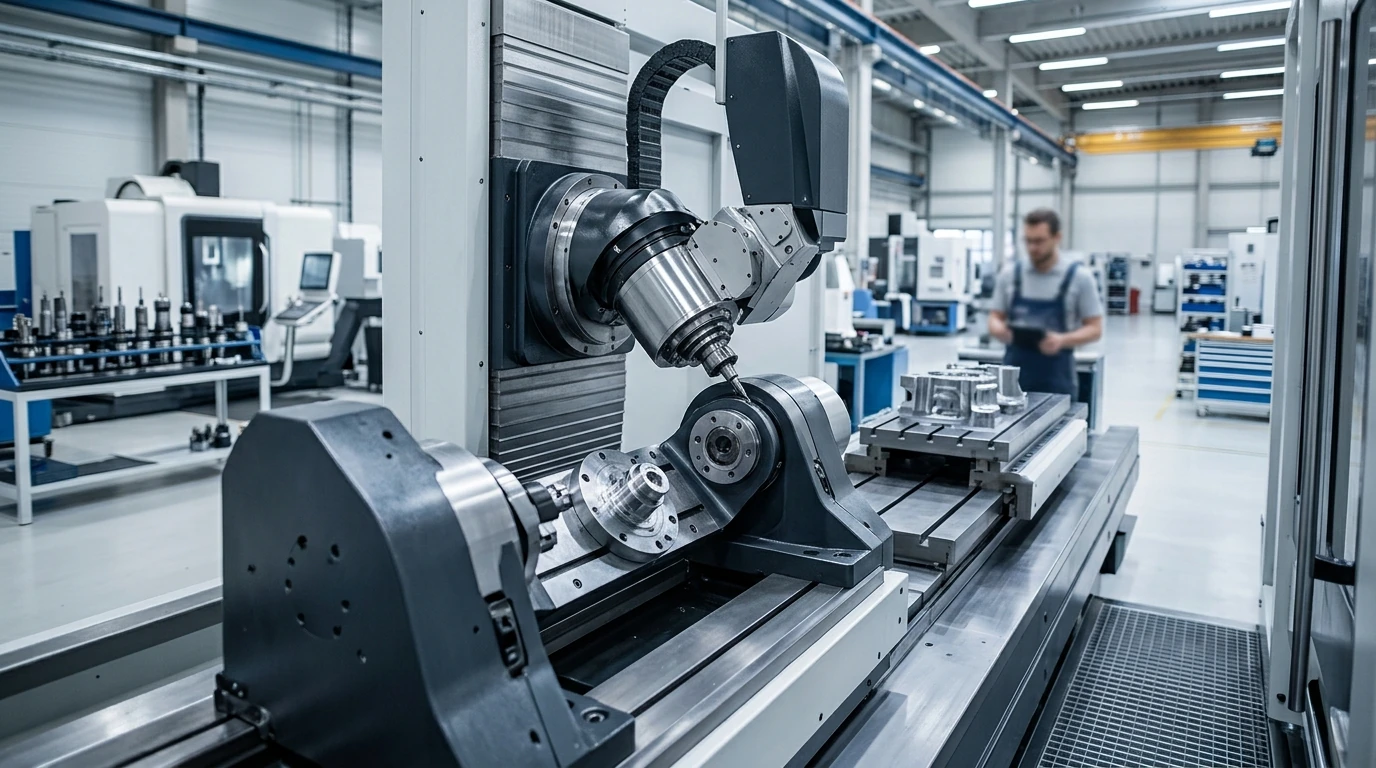
What are the 7 axes on a CNC machine?
A seven-axis CNC machine has seven independently controlled directions of motion. The first three are usually the familiar linear axes: X, Y, and Z. The remaining axes add rotation or extra travel, allowing some machines to reach more surfaces or handle complex parts in fewer setups.
How are the axes named?
On a conventional CNC setup, X, Y, and Z describe straight-line movement. A, B, and C typically describe rotation around the X, Y, and Z axes, respectively. A machine’s exact layout can vary, so its axis labels are best understood alongside its design and intended work.
What do the last four axes do?
There isn’t one universal arrangement for a seven-axis machine. A machine might use rotary axes to tilt or turn a workpiece, add a moving head, or include an extra linear axis for extended reach. Industrial systems may combine these motions in different ways; seven-axis robotic CNC setups, for example, can use a robot arm and a track that moves the arm along the work area.
More axes can help machine curved or angled surfaces and reduce the need to reposition a part. They also bring added mechanical and programming complexity. The axis count alone doesn’t tell you how large a part the machine can handle, how accurately it cuts, or which materials it can process.
Does a compact CNC router need seven axes?
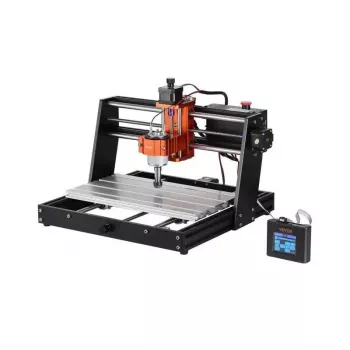
Usually not for straightforward cutting, engraving, and pocketing on flat sheet material. A compact three-axis router moves its tool along X, Y, and Z, which suits many common workshop jobs. A rotary attachment can add a fourth axis for turning cylindrical work, while five-axis machines can angle the tool or workpiece for more involved shapes.
If you’re choosing a router, start with the parts you plan to make. Consider whether you need rotary machining, the machine’s usable work area, and whether its controller and software support the motions you want. Our compact 3-axis GRBL CNC router setup guide covers practical considerations for getting started with a simpler configuration.
FAQ
Can a 3-axis CNC router cut aluminum?
It can cut aluminum when the machine, tooling, workholding, and cutting settings are suited to the job. Use secure workholding and conservative feeds and speeds to help control heat, tool wear, and chip buildup.














Leave a comment