Dog First Aid Essentials: Kit Checklist & 5-Min Plan
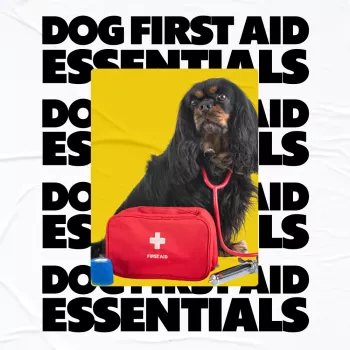
Dog First Aid Essentials: A Practical Guide and Checklist for Calm, Confident Pet Emergencies
Emergencies rarely announce themselves. A torn paw on a hike, a sudden allergic reaction, a heat-related scare, or a swallowed “mystery” item can turn an ordinary day into a fast decision-making moment. The goal of first aid isn’t to replace a veterinarian—it’s to stabilize, protect, and buy time. Our team put this practical guide together to help you know what to keep on hand and what to do first, paired with a ready-to-use checklist so you can act quickly and clearly when it matters most.
What “first aid” means for dogs (and what it doesn’t)
Dog first aid is immediate support: keeping your dog safe, warm, calm, and stable until veterinary care is available. When you’re not sure what to do, stick to simple priorities: safety first, then breathing, then bleeding, then shock prevention.
A calm environment makes everything easier. Reduce noise and commotion, prevent running/jumping, and use a leash, carrier, or a towel wrap to limit movement. Also know the line where you stop “home help” and get urgent guidance: persistent vomiting, trouble breathing, collapse, suspected toxin exposure, heatstroke signs, uncontrolled bleeding, and seizures need veterinary support now.
Finally, write down what happened. The time of the incident, symptoms you’re seeing, possible exposure (food, medication, plants), and any steps you already took are all useful for your clinic.
Build a first-aid kit that matches real-life scenarios
We recommend two kits: a home kit and a travel kit (car, hiking bag, or even your dog’s backpack). When minutes matter, having supplies where you are beats having them somewhere “at home.”
What to pack (and why)
- Wound care basics: sterile gauze pads, non-stick pads, self-adhering wrap, medical tape, blunt-tip scissors, saline/wound wash, and disposable gloves.
- Control-and-comfort items: a muzzle option (or soft emergency alternative), a towel/blanket, an e-collar alternative to prevent licking, and a backup leash.
- Safer handling tools: tweezers (ticks/splinters), a digital thermometer labeled “pet use,” and a small flashlight for checking paws and mouths.
- Exposure planning: keep a poison helpline number accessible, and store kit items where your dog can’t reach them.
Rotate supplies. Check expiration dates every few months, and replace anything opened, contaminated, or used.
| Category | Essentials to pack | Notes for use |
|---|---|---|
| Bleeding & wounds | Sterile gauze, non-stick pads, self-adhering wrap, tape, saline | Apply firm pressure for bleeding; avoid powders unless directed by a veterinarian |
| Tools | Blunt scissors, tweezers, flashlight, thermometer | Use scissors to cut wrap safely; avoid deep probing of wounds |
| Restraint & transport | Muzzle option, extra leash, towel/blanket, carrier plan | Even gentle dogs may bite when in pain; support the spine if injury is suspected |
| Documentation | Vet contact list, poison hotline number, medication list | Keep a photo of your dog’s current weight and any prescriptions |
| On-the-go extras | Booties or paw wrap, bottled water, instant cold pack | Use cool water for heat concerns; avoid extreme cold directly on skin |
The first five minutes: a simple decision flow to reduce panic
When you’re stressed, your brain wants to jump to worst-case scenarios. A short, repeatable flow keeps you grounded:
- Safety check: remove hazards (traffic, other animals, sharp objects) before touching your dog.
- Gentle restraint: leash, towel wrap, or muzzle if needed to prevent a fear bite during painful handling.
- Breathing and gum color: watch chest rise and listen for airway noise; pale/blue gums are urgent.
- Control bleeding: apply steady pressure with clean gauze; add layers instead of removing soaked gauze.
- Keep warm, keep still: use a blanket and minimize movement, especially after falls or suspected spinal injuries.
Common emergencies and what to do first
Cuts, scrapes, and torn nails
Rinse with saline, cover with a non-stick pad, and secure with wrap (snug, not tight). Keep the area clean and dry until your veterinarian advises next steps.
Paw injuries on walks
Check between toes for burrs, glass, or foxtails. Rinse, protect with a temporary bootie or wrap, and limit activity to prevent reopening the injury.
Choking or gagging
Stay calm and avoid blind finger-sweeps, which can push an object deeper or cause bites. If breathing is compromised or distress escalates, seek immediate veterinary help.
Heat stress
Allergic reactions
Suspected poisoning
Seizures
Using a checklist so nothing gets missed under stress
Digital download advantage: always accessible, easy to update
If you want a ready-made version to customize, our team created Dog First Aid Essentials: Comprehensive Guide, eBook & Checklist for Dog Owners – Digital Download so you can keep your plan organized in one place.
And because emergencies are stressful for humans too, some pet parents also keep a quick calming tool on hand—our Calm Your Mind: Guided Meditation Series | Audio Course | Anxiety Relief Meditation can help you steady your breathing so you can support your dog clearly.
When to stop first aid and go now
For more pet first aid fundamentals and poisoning guidance, we trust these references: American Veterinary Medical Association (AVMA) first aid tips, ASPCA Animal Poison Control, and the American Red Cross pet first aid overview.
FAQ
What should every dog first-aid kit include at a minimum?
At a minimum, pack wound care basics (gauze, non-stick pads, wrap, tape, saline), gloves, scissors, tweezers, a restraint option, and a printed contact sheet for your vet, a 24-hour clinic, and a poison helpline.
Should vomiting be induced if a dog eats something dangerous?
Not automatically. Some substances cause more harm coming back up, so the safest move is to call a veterinarian or poison helpline with the product details and follow their instructions.
How often should a first-aid checklist and kit be updated?
Review it every 3–6 months: replace expired items, restock used supplies, and confirm phone numbers, addresses, and medication lists are current.















Leave a comment