Dog Behavior Explained: Read Signals & Build Trust
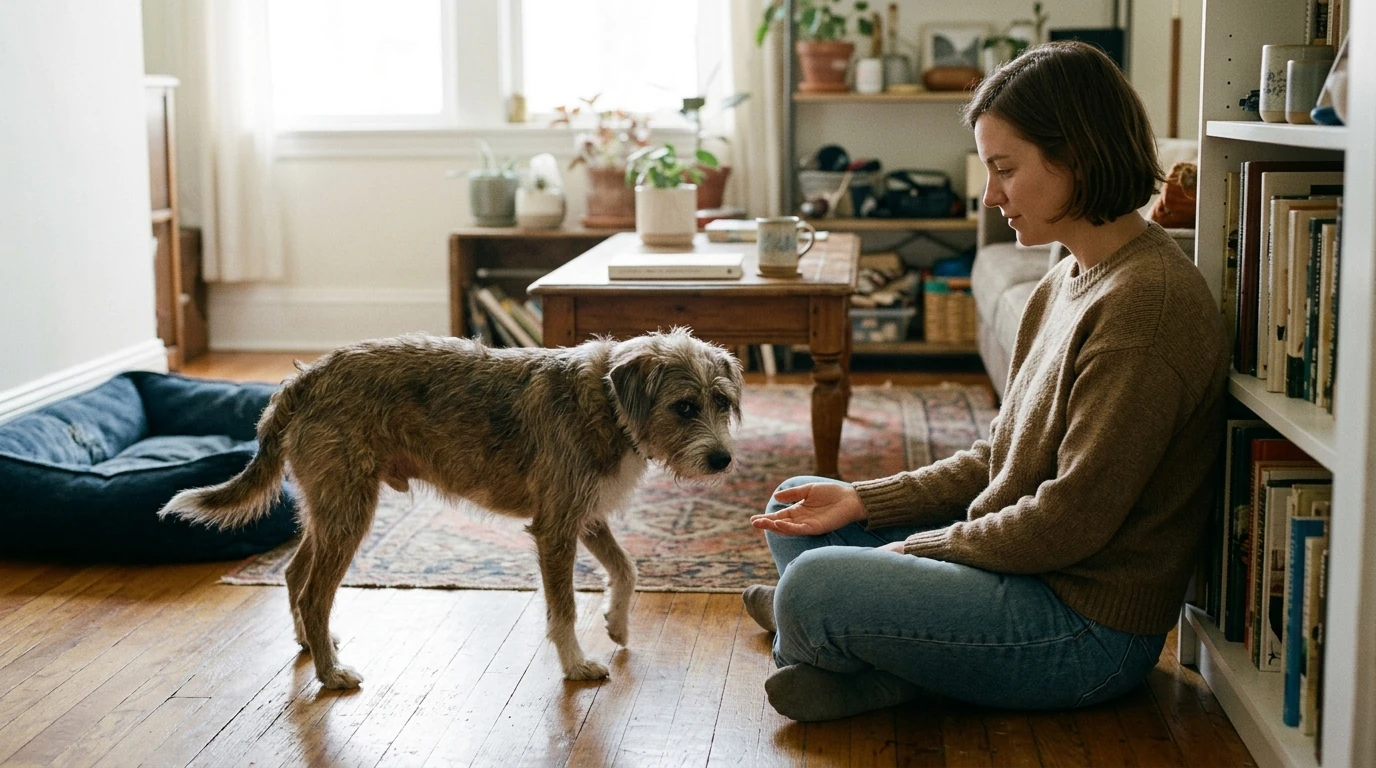
Understanding Your Dog’s World: A Practical, Calm Way to Read Behavior and Build Trust
Life with a dog gets easier when everyday behavior starts to make sense. Our team built this guide for pet parents who want clear explanations (not jargon), simple ways to respond in the moment, and routines that help a dog feel safe, understood, and connected. The goal isn’t “perfect obedience”—it’s confident communication, fewer surprises, and a relationship that holds up in real life: walks, visitors, grooming, play, and quiet time at home.
What “dog behavior” really is (and why it’s not stubbornness)
Dog behavior is communication. Your dog uses movement, distance, and body language to show what they need and how they feel—often long before a bark, lunge, or growl appears. Many “unwanted behaviors” are simply strategies that worked at some point: pulling can be excitement or uncertainty; barking can be an attempt to increase distance; jumping can be a fast way to get attention when greetings feel big.
Before you label anything as “bad,” start with the basics: health, sleep, exercise, and predictability. A dog who’s in pain, under-rested, or chronically overstimulated will struggle to make good choices, even with training. Next, look for the function: ask, “What does my dog get or avoid when they do this?” Once you know the payoff (attention, space, access, relief), you can choose a next step that actually changes the pattern.
If you want a science-based perspective on humane training and behavior, we also recommend reviewing the American Veterinary Society of Animal Behavior (AVSAB) position statements.
A simple way to read your dog’s signals: body, face, movement, distance
Reading your dog doesn’t require perfection—it requires noticing patterns. One cue rarely tells the full story, but clusters do.
- Body: Loose muscles and wiggly hips usually signal comfort. Stiffness can mean uncertainty, vigilance, or conflict.
- Face: Soft eyes and a relaxed mouth differ from hard staring, tight lips, or a “frozen” closed mouth.
- Movement: Curved approaches and sniffing can lower tension. Fast, direct approaches can raise pressure.
- Distance: Moving closer can be friendly—or high arousal. Stepping away is often a polite request for space.
Quick guide: common signals and supportive responses
| What you might notice | What it can mean | A supportive next step |
|---|---|---|
| Turning head away, sniffing the ground, slow blinking | Trying to stay calm or reduce tension | Pause, soften your voice, give space; reward calm engagement |
| Stiff body, closed mouth, hard stare | Uncertainty or feeling pressured | Increase distance, stop reaching in, redirect to a simple cue with reward |
| Lip licking, yawning (not tired), paw lift | Stress or uncertainty in the moment | Lower intensity: slow down, shorten the interaction, offer choice |
| Loose body, play bow, bouncy movements | Playful intent | Keep play structured: short bursts, breaks, and easy “reset” cues |
| Leaning away, tucked tail, hiding | Fear or discomfort | Create safety: quiet space, predictable routine, avoid forced contact; consider professional support |
| Barking/lunging on leash while moving forward | Over-arousal, frustration, or trying to create space | Add distance, reward check-ins, use management (turns, barriers) and gradual exposure |
For a helpful refresher on body language basics, the American Kennel Club’s dog body language overview is a solid reference point.
Confidence comes from predictability: routines that reduce stress
Predictability is calming because it lowers the need for your dog to “guess” what happens next. Even small routines can reduce day-to-day friction:
- Known moments: Keep meals, potty breaks, walks, and rest times consistent when you can.
- Decompression windows: After guests, daycare, grooming, or the vet, plan quiet time—a chew, a sniffy walk, or a nap.
- A true safe zone: Create a bed or crate space where nobody reaches in or disturbs your dog. Teach kids and visitors that the safe zone is “hands off.”
- Balanced stimulation: Too little can create restlessness; too much can create a dog who’s constantly “on.”
If you’d like additional general welfare guidance, the RSPCA dog behavior resources are a useful, accessible read.
Everyday challenges, explained simply (and what to do next)
Jumping
Jumping is often a greeting strategy. Teach an incompatible behavior (four paws on the floor, or a sit), and rehearse it with low-key arrivals. If your dog can’t hold it together at the door, manage first: use a leash, baby gate, or a “behind the gate until calm” routine so they practice success.
Mouthing
Pulling
Barking at sounds or visitors
Resource guarding
Separation-related distress
Training that protects the bond: clear cues, better timing, and realistic expectations
When to get extra help (and what kind of help to look for)
A practical guide to keep on hand
- Understanding Your Dog’s World – A Practical Guide to Dog Behavior Explained Simply for Confident, Connected Pet Parents (Digital guide, $8.99)
- Calm Your Mind: Guided Meditation Series | Audio Course | Anxiety Relief Meditation (Helpful when you’re working on patience and consistency during behavior change)
FAQ
How can a pet parent tell the difference between excitement and anxiety?
Look for looseness versus stiffness, whether your dog can take food, how quickly they recover after the trigger passes, and whether they can disengage and choose space. A simple rule: when in doubt, add distance and see if your dog’s body softens and their choices improve.
Is it okay to comfort a scared dog, or does that “reward fear”?
Fear is an emotion, not a behavior you can “reward” into existence, so calm reassurance and creating safety are appropriate. Focus on supporting brave choices—like your dog noticing something scary and then turning back to you—while keeping the situation manageable.
What are the first steps for leash reactivity toward other dogs?
Start with management: create distance, use U-turns, and avoid tight passes that push your dog over threshold. Reinforce check-ins with high-value rewards and work on gradual exposure at a distance your dog can handle; if reactions are intense or escalating, get qualified professional help.















Leave a comment