Harmony in Motion: Mind-Body Routine + Checklist
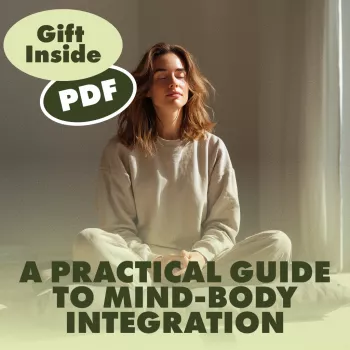
Harmony in Motion: a practical rhythm you can repeat
Mind–body integration doesn’t have to become another “project” you manage. Our team built Harmony in Motion: A Practical Guide to Mind-Body Integration | Digital Download Guide, eBook, Wellness Checklist for Mindfulness, Meditation & AI-Enhanced Self-Care for real days—short on time, full of tabs, and still craving steadiness. You’ll find simple movement cues paired with mindfulness and meditation, plus a checklist you can actually use without turning your routine into homework.
If you’ve ever tried to “think your way” out of stress and felt stuck, integration is the missing bridge: breath, attention, and physical sensation working together so your nervous system has fewer surprises to manage. For a broader evidence-based overview of mindfulness and safety considerations, see resources from NCCIH and the APA.
What “Harmony in Motion” means in everyday life
In practice, harmony looks less like perfect calm and more like a steady, repeatable way to shift from “spinning” to “present.” We define it simply: aligning breath, attention, and physical sensation so your body doesn’t have to shout to get your attention.
- Why motion matters: small, intentional movement helps bridge the gap between thinking and feeling—especially when stress shows up as tension, restlessness, or shallow breathing.
- Consistency beats intensity: a few minutes that can happen on busy days will do more for you than a big routine you avoid.
- A guide-and-checklist format keeps momentum: you can read once, then rely on prompts and trackers to stay grounded.
What’s inside the digital download
Harmony in Motion is structured to help you start quickly and keep going without over-planning. It connects movement with mindfulness through short sequences you can use between meetings, before sleep, or after emotionally heavy moments.
- Movement + mindfulness pairing: short sequences designed for tight schedules and real-life transitions.
- Wellness checklist support: quick “did it / didn’t do it” tracking plus space for notes when patterns emerge.
- AI-friendly self-care prompts: reflection and planning prompts you can use for gentle accountability and idea generation, without losing the human part.
- Flexible use: choose one practice, follow a simple weekly rhythm, or build a personalized mix.
Pick your pace: example ways to use the guide
| When to use it | Time | What to do | What to track |
|---|---|---|---|
| Morning reset | 3–7 min | Breath + light mobility + one intention | Energy level, mood, body tension |
| Midday re-center | 2–5 min | Posture check + grounding + short pause | Stress level, focus, cravings for distraction |
| Evening unwind | 5–12 min | Gentle movement + brief meditation | Sleep readiness, racing thoughts |
| High-stress moment | 60–180 sec | Micro-movement + breath count | Trigger, body signal, what helped |
A simple mind–body routine that doesn’t require “motivation”
If motivation comes and goes for you, build your routine around signals instead of goals. Signals are easier to notice than willpower is to summon.
- Start with a body signal: tight jaw, restless legs, clenched hands, shallow breath, or a “wired” feeling.
- Use a three-part sequence: (1) notice, (2) soften, (3) choose. Notice sensation, soften the body, then choose one next action.
- Keep the entry point tiny: one minute counts. The checklist supports small wins and reduces all-or-nothing thinking.
- Repeat an anchor: same time of day, same chair, same 2–3 cues—stability builds faster than variety.
If you want an ultra-simple starting point: place both feet on the floor, relax your shoulders on an exhale, then choose one small movement (neck roll, shoulder circles, slow standing stretch) while keeping your attention on breath rhythm.
Mindfulness + movement: how they support each other
Movement makes mindfulness more tangible, especially when thoughts get loud. Instead of trying to “clear your mind,” you give attention a place to land: feet on the floor, hands, the pace of the inhale and exhale.
- Mindfulness improves movement quality: a slower pace and more awareness can reduce rushing and unwind habitual tension.
- Helpful for busy-mind meditation: adding motion can make stillness accessible rather than frustrating.
- Use transitions as practice: standing up, washing hands, walking to another room—small moments add up.
For general guidance on coping with stress and building practical support, the CDC’s coping with stress resource is a solid reference.
AI-enhanced self-care without losing the human part
Who this guide fits (and how to make it yours)
Make it a mini-system: pairing Harmony in Motion with other digital support
- Need extra structure for your mind? Pair movement-based grounding with guided audio from our team: Calm Your Mind: Guided Meditation Series | Audio Course | Anxiety Relief Meditation.
- Need protection for your practice time? Use planning and follow-through skills to reduce friction, especially during busy weeks: Study Skills Mastery Guide | Digital Study Guide, Learning Strategies eBook, Focus Tips, Study Methods, Memory Techniques, Study Checklist PDF.
- Want the core toolkit in one place? Keep your routine lightweight with our main guide: Harmony in Motion: A Practical Guide to Mind-Body Integration | Digital Download Guide, eBook, Wellness Checklist for Mindfulness, Meditation & AI-Enhanced Self-Care.
FAQ
How quickly can the checklist show results?
Most people start noticing patterns within 1–2 weeks, such as time-of-day shifts in energy, common triggers, or how sleep changes after certain routines. The goal is small, trackable changes that you can repeat, not dramatic overnight transformation.
Do I need meditation experience to use Harmony in Motion?
No—this guide works whether you’re brand new or already practiced. You can start with short entry points and simple cues, then build into longer or deeper practices when you have the bandwidth.
How can AI support my self-care without making it feel robotic?
Use AI for idea generation and planning—like drafting a 5-minute routine for a low-energy day or offering reflection questions from your notes—then keep judgment and final decisions with you. When it stays supportive and optional, it feels like a helper instead of a scoreboard.















Leave a comment