Newborn Sleep Patterns: A Gentle Guide for Parents
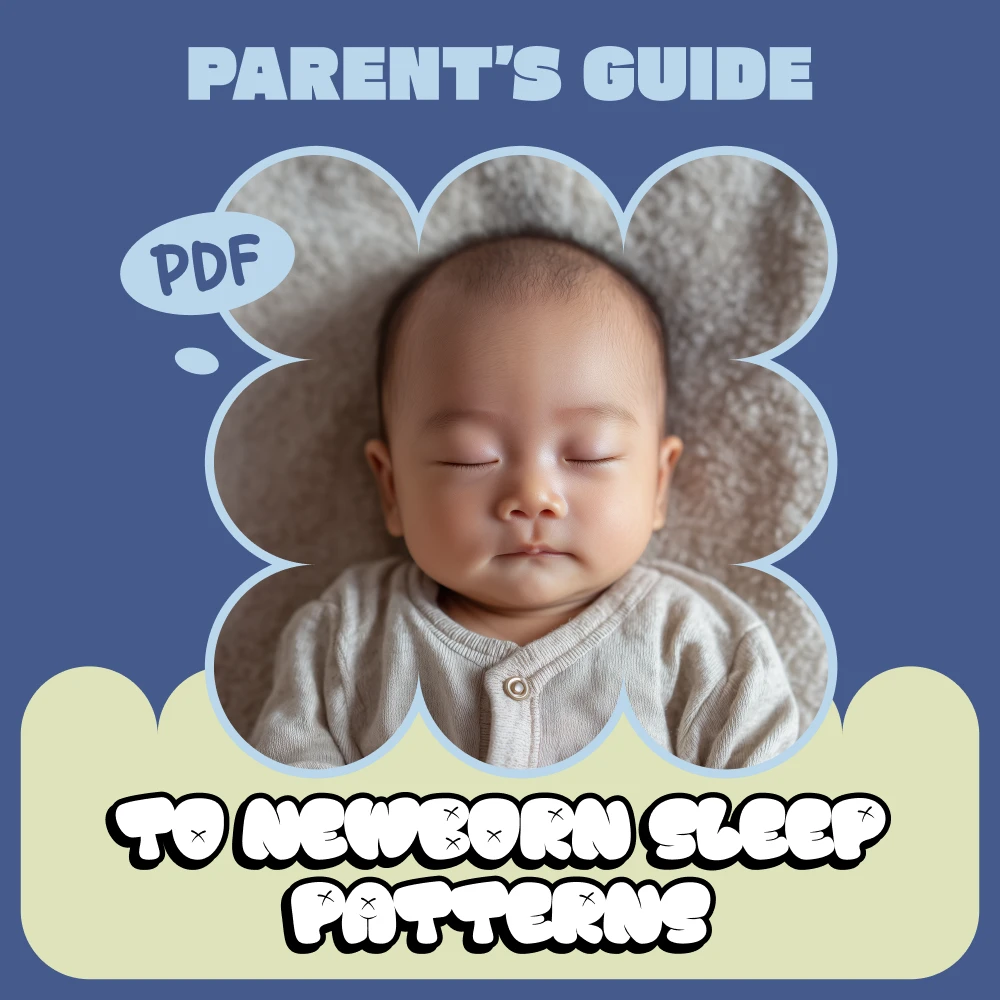
Newborn Sleep Patterns: A Gentle Guide for Parents

What Newborn Sleep Can Look Like
Newborns typically sleep in short stretches across the day and night, waking often to feed. Their sleep patterns change as they grow, and babies do not all begin sleeping for longer stretches at the same age. A difficult night doesn’t necessarily mean you’ve done anything wrong.
Day and night patterns develop gradually. During the day, you can open the curtains and go about ordinary household activities. At night, keep lights dim and interactions quiet while still responding to your baby’s needs. These small differences can become part of a gentle rhythm without requiring you to keep your baby awake during the day.
If you’re concerned about how often your baby wakes, whether they’re feeding enough, or a change in their usual behavior, talk with their healthcare professional. Follow any individualized feeding instructions you’ve been given, including guidance about waking your baby to feed.
A Gentle Guide to Early Sleep Expectations
| What parents may notice | A helpful response |
|---|---|
| Frequent waking | Respond to feeding and comfort needs. |
| Sleep at different times of day and night | Keep daytime bright and nighttime interactions quiet. |
| Changing sleep patterns | Adjust routines gently rather than expecting a fixed schedule. |
For more information about sleep across childhood, see the CDC’s sleep guidance. Your baby’s healthcare professional can help you apply general information to your family’s circumstances.
Check the product’s listed specifications when evaluating what newborn sleep can look like.
Build a Calm, Flexible Routine
A routine can be a familiar sequence rather than a timetable. You might change your baby’s diaper, offer a feeding, and enjoy a quiet cuddle before placing them in their sleep space. The order can change when your baby’s needs do.
Watch for cues such as yawning, looking away, or becoming less engaged. Lowering stimulation can help you make room for rest without expecting a fixed schedule.
Check the product’s listed specifications when evaluating build a calm, flexible routine.
Featured in this guide
Parent’s Guide to Newborn Sleep Patterns – Gentle, Science-Based Guide for Understanding Newborn Sleep Patterns & Building Calm Early Routines
Make Every Sleep Space Safer
Place your baby on their back for every sleep. Use a firm, flat surface designed for infant sleep, such as a crib, bassinet, or portable play yard, with a fitted sheet. Keep pillows, loose bedding, blankets, bumper pads, and soft objects out of the sleep space.
Room-sharing means keeping your baby’s separate sleep space in your room, not sharing a bed. The American Academy of Pediatrics recommends room-sharing for at least the first six months.
If you bring your baby into bed for feeding or comfort, return them to their separate sleep space when you’re ready to sleep. Avoid falling asleep with your baby on a couch or armchair. Ask your baby’s healthcare professional about individual concerns.
Explore the Parent’s Guide to Newborn Sleep Patterns
When the days feel unpredictable, a reassuring reference can help you focus on the next manageable step. Our Parent’s Guide to Newborn Sleep Patterns is a gentle, science-based resource for understanding newborn sleep and building calm early routines.
Use the guide as a companion to the advice you receive from your baby’s healthcare professional, not a replacement for individualized medical care. You can return to its ideas as your baby grows and your family’s routines change.
If you’d also like a quiet moment for yourself, our Calm Your Mind: Guided Meditation Series is an audio course you can explore when another trusted adult is caring for your baby. It isn’t a substitute for sleep or professional support, but it offers another option for a pause in a busy day.
The Black Metal Triple Bunk Beds, Twin Over Twin & Twin with Guardrails, Can Be Separated works alongside the featured product and provides a defined sleep surface during family stops and overnight travel.
FAQ
How much sleep is normal for parents with a newborn?
Parents’ sleep is often interrupted and varies widely in the newborn period. Share care when possible, and seek help from a healthcare professional or trusted person if exhaustion feels unmanageable.
What is the 3-3-3 rule for newborns?
The term is used for different informal newborn routines, so it is not a single established medical rule. Follow your baby’s feeding cues and your healthcare professional’s advice rather than relying on a numbered schedule.
At what age should a baby stop sleeping with their parents?
Room-sharing means keeping your baby in a separate sleep space in your room, while bed-sharing means sleeping on the same surface. Pediatric guidance recommends room-sharing without bed-sharing for at least the first six months; ask your baby’s healthcare professional about current guidance.
What should I do on my first day at home with my newborn baby?
Focus on feeding, diaper changes, a safe sleep space, and rest for your family. Follow your discharge instructions and keep the contact information for your baby’s healthcare professional handy for feeding or health concerns.
See if Parent’s Guide to Newborn Sleep Patterns – Gentle, Science-Based Guide for Understanding Newborn Sleep Patterns & Building Calm Early Routines fits your setup
Recommended for you














Leave a comment