7-Level Indoor Cat Tree Tower: Condo, Hammocks & Scratch
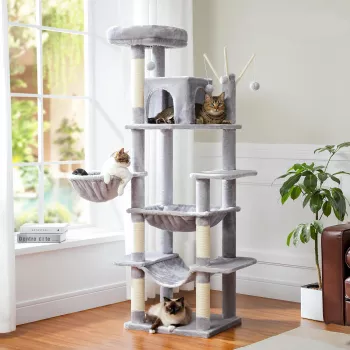
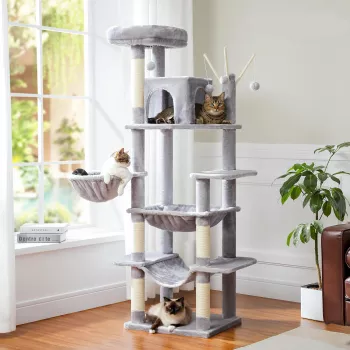
Large 7-Level Indoor Cat Tree Tower with Condo, Hammocks & Scratching Posts
A tall, multi-level cat tree can turn unused vertical space into a daily routine of climbing, resting, scratching, and observation. This 7-level tower is designed to give cats multiple places to perch and nap, while helping redirect scratching away from furniture and offering a cozy condo for hiding and decompressing. For many indoor cats, that combination of height, choice, and comfort can make the home feel bigger—and calmer. For more guidance, see Cat Tree Cat Condo with Scratching Posts Multi-Level 57 inches.
What a 7-Level Tower Adds to an Indoor Cat’s Day
Cats naturally seek elevated “safe” spots, controlled access points, and reliable scratch zones. A 7-level tower stacks those options upward, so even smaller rooms can offer meaningful enrichment. For further reading, see Cat Tree Tower for Large Cats Adult – 60 Inch XXL Sturdy Heavy ….
- Vertical territory: Great for cats that like to climb, watch windows, and choose higher resting spots.
- Multiple rest zones: Separate hammocks and perches help reduce competition in multi-cat homes.
- A dedicated scratching path: Posts from bottom to top encourage stretching and claw maintenance.
- A covered condo: Adds a private space for cats that prefer quiet or need a stress-reduction hideout.
- Smarter use of floor space: Features are stacked rather than spread outward—helpful in apartments.
Enrichment matters for indoor cats, and climbing structures are a practical way to support natural behaviors like perching and scratching. Helpful background reading: ASPCA guidance on feline enrichment.
Key Parts and How Cats Commonly Use Them
The value of a large tower often comes down to variety. When cats can choose between open perches, cradled hammocks, and a closed condo, they’re more likely to use the structure throughout the day instead of only during play bursts.
- Top perches: Often claimed by confident cats and window-watchers; frequently becomes a “default” nap spot.
- Hammocks: Popular for cats that like a cradled, slightly enclosed feel; commonly used for longer naps.
- Condo: Ideal for shy cats, new rescues, or cats that need a calm retreat during noise and visitors.
- Scratching posts: Support full-body stretching; placing scratch zones near entry points helps build the habit.
- Multi-platform layout: Offers different routes up and down, which can reduce bottlenecks and standoffs.
| Tower feature | What it supports | Placement tip |
|---|---|---|
| Top level perch | Observation, confidence, restful naps | Position near a window but away from direct drafts |
| Hammocks | Deep relaxation, security, warmth | Keep clear of high-traffic walkways to reduce startle wake-ups |
| Condo | Privacy, decompression, hiding | Place so the entrance faces a quieter direction of the room |
| Scratching posts | Claw care, stretching, scent marking | Encourage use by placing the tower near favorite lounging spots |
| Mid-level platforms | Climbing route options, play pauses | Stagger access so cats can pass without blocking |
Room Placement and Setup for Everyday Use
Even the best tower can get ignored if it’s tucked into an awkward corner or placed where a cat feels exposed. Set it up like a “destination” that fits your cat’s existing routine.
- Choose a stable surface: Place it on a flat floor; eliminate wobble by aligning parts before final tightening.
- Anchor to daily life: Good spots include a window-adjacent corner, the living room, or a home office where people spend time.
- Create safe access: Leave enough clearance around the base so your cat can approach from more than one direction.
- Watch sunlight and airflow: Avoid direct radiator/vent blasts that can make higher perches uncomfortable.
- Introduce gradually: Let cats explore at their own pace; add a familiar blanket or a pinch of catnip on scratch areas.
Stability, Materials, and Comfort Checks
Taller cat trees should feel solid—especially when cats launch themselves between levels. A few quick checks help keep the tower comfortable and safe over time.
- Stability first: Retighten bolts after initial use (and periodically after energetic play).
- Scratch surfaces: Posts should allow a full stretch; reward scratching in the right place so the habit sticks.
- Soft areas: Inspect seams and edges on hammocks and platforms; remove loose threads if they appear.
- Multi-cat balance: More than one resting point prevents one cat from guarding the only “best” spot.
- Size and weight fit: For larger or athletic cats, prioritize wider platforms and overall sturdiness.
If scratching behavior is a challenge, technique matters as much as equipment. The Humane Society’s tips on encouraging scratching post use can help reinforce the switch away from furniture.
Cleaning and Maintenance for a Tower with Hammocks and a Condo
Cat trees stay more appealing when they smell familiar (not stale) and feel clean. A simple routine usually prevents fur buildup and keeps scratching areas usable.
Who This 7-Level Layout Tends to Suit Best
Product Details and What to Expect
- Large 7-Level Indoor Cat Tree Tower with Condo, Hammocks & Scratching Posts ($111.32)
- Calm Your Mind: Guided Meditation Series | Audio Course | Anxiety Relief Meditation ($28.99)
- Study Skills Mastery Guide | Digital Study Guide, Learning Strategies eBook, Focus Tips, Study Methods, Memory Techniques, Study Checklist PDF ($10.99)
FAQ
How do cats decide which level to use most?
Cats usually choose based on height preference, warmth, and sightlines. Confident cats often gravitate to the top, while shy cats may favor the condo or a mid-level hammock; multiple cozy spots help reduce competition.
Where should a tall cat tree be placed for maximum use?
Place it near a window or in a room where people spend time, on a flat stable surface with clear approach paths. Avoid direct vents/radiators and tight corridors that can make cats feel cornered.
How can scratching posts on a tower compete with furniture?
Put the tower close to where unwanted scratching happens, reward scratching on the posts, and keep the scratch surfaces in good condition. Cats are more likely to scratch where they already rest, pass through, and stretch naturally.













Leave a comment