Do Vacuum Mop Combos Work? Results, Limits, Tips
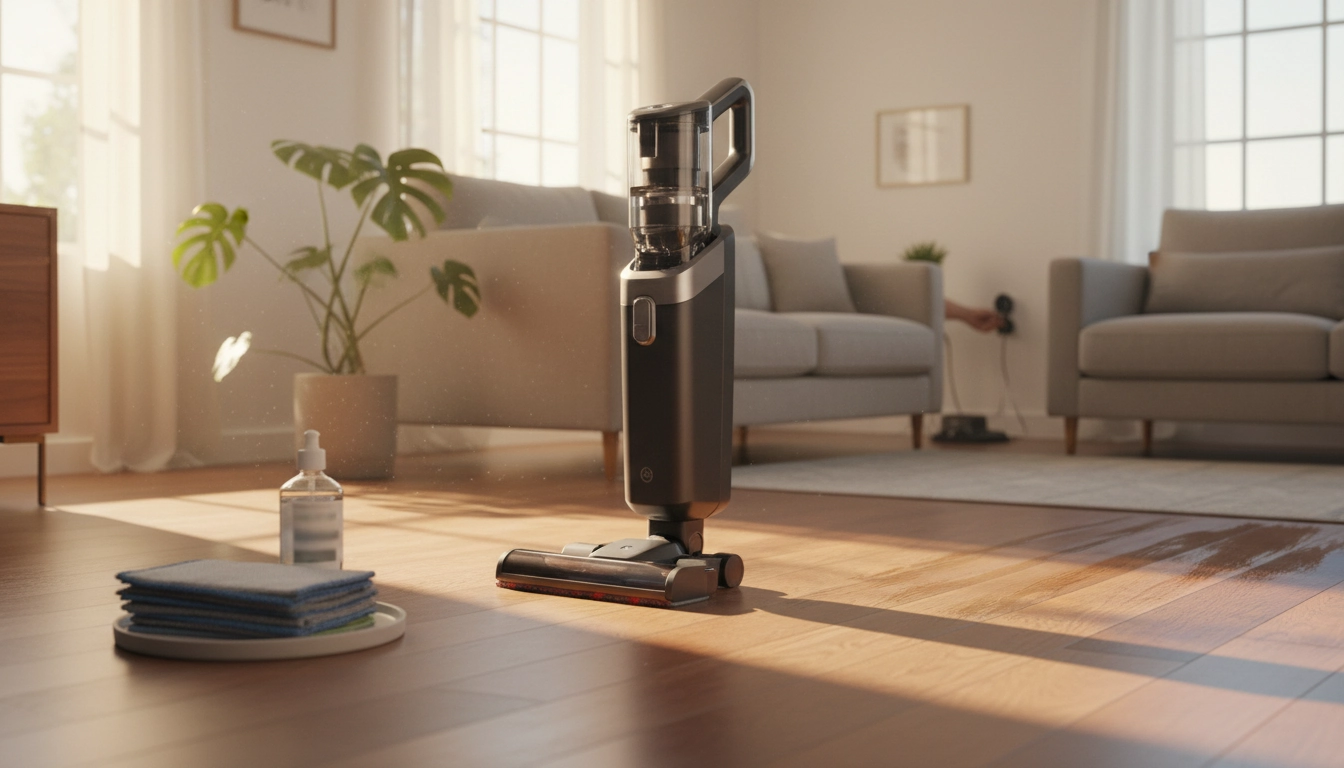
Do vacuum mop combos really work?
Yes—vacuum mop combos can really work, especially for everyday maintenance cleaning on hard floors. The best models pick up dry debris first (crumbs, dust, hair) and then wipe with a damp pad or a controlled flow of cleaning solution to lift light grime. When used regularly, they help keep kitchens, entryways, and living areas looking consistently clean with fewer separate cleaning steps.
Where they shine is convenience. Instead of vacuuming, hauling out a mop, and mixing a bucket, a combo handles the quick pass that most homes need multiple times per week. They’re also helpful for homes with pets, since frequent hair and paw-print touchups are easier when one machine does both jobs.
What they do well (and where they don’t)
A vacuum mop combo is ideal for sealed hard surfaces like tile, vinyl, laminate, and sealed hardwood. They excel at fresh messes, everyday dust, and light sticky spots—think dried footprints or a small splash near the sink. Many also have separate clean/dirty water tanks or disposable/rewashable pads that reduce the “smearing” problem older wet-dry tools had.
They’re not a perfect replacement for deep cleaning. Heavy, stuck-on residue, grout discoloration, and large spills still usually need a targeted scrub or a traditional mop session. Some combos also struggle at edges and tight corners, and certain floor types (like unsealed wood) should not be wet-cleaned at all.
How to get better results
For the most convincing performance, use the right floor setting, keep the pad/roller clean, and empty dirty tanks promptly. If your model supports it, do a quick dry pass in high-debris areas before wetting the floor. And don’t skip maintenance—clogged filters and dirty rollers are the fastest way to turn “2-in-1” into “does neither well.”
For a deeper breakdown of what to expect—and how to choose a model that matches your floors—read the full guide here: https://gertrudo.com/do-vacuum-mop-combos-really-work/.
FAQ
Are vacuum mop combos safe for sealed hardwood floors?
They can be, as long as the floor is sealed and the device uses minimal water with quick drying. Avoid saturating the surface, and follow the flooring manufacturer’s care guidelines.













Leave a comment