Good Robot Vacuum Suction (Pa): What You Really Need
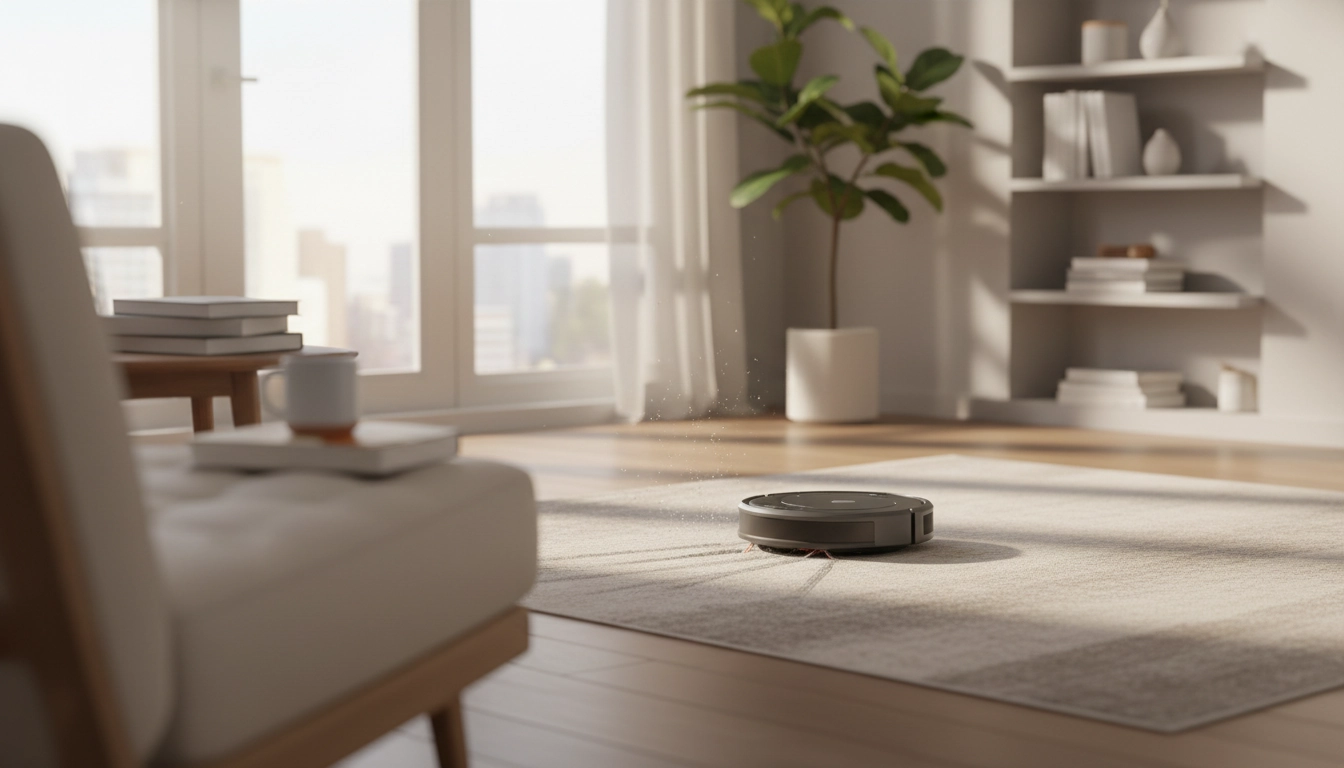
What is a good PA suction for a robot vacuum?
“Pa” (Pascal) is the suction pressure rating many robot vacuum brands use to describe how strongly the motor can pull air and debris. A good Pa suction depends on what you’re cleaning, but for most homes, a robot vacuum rated around 2,000–4,000 Pa is a solid sweet spot for everyday dust, crumbs, and pet hair on hard floors and low-pile rugs.
How much Pa do you actually need?
For hard floors, strong airflow matters as much as raw Pa, so you don’t need extreme numbers to get a clean finish. Around 1,500–2,500 Pa is often plenty for tile, wood, and vinyl—especially when the robot has a good brush roll and edge cleaning design.
If your home has carpets or lots of pet hair, stepping up to roughly 3,000–6,000 Pa can help pull debris out of fibers and reduce the amount left behind. High-pile carpet typically benefits from the upper end of that range, though performance still varies by brush design, bin airflow, and how well the robot maintains suction as the filter loads.
When higher Pa helps—and when it doesn’t
Higher Pa can improve pickup on rugs, litter, and embedded grit, but it can also raise noise, shorten runtime, and sometimes cause lighter rugs to bunch if the robot’s traction isn’t great. Many models automatically boost suction on carpet, which can deliver better results without running max power everywhere.
Also note that “Pa” isn’t standardized across brands, so comparing two robots solely by suction rating can be misleading. Brush type (rubber vs. bristle), roller design, and navigation coverage often make a bigger real-world difference than a jump from, say, 4,000 to 6,000 Pa.
Quick buying tip
If you want a deeper breakdown of Pa ranges by floor type and what to prioritize beyond suction, read the full guide here: https://gertrudo.com/what-is-a-good-pa-suction-for-a-robot-vacuum/.
FAQ
Does higher Pa always mean better cleaning?
No. Higher Pa can help on carpet and heavier debris, but brush design, airflow, sealing, and coverage pattern often matter just as much for overall cleaning performance.












Leave a comment