App-Controlled Self-Cleaning Litter Box: Low Odor Guide
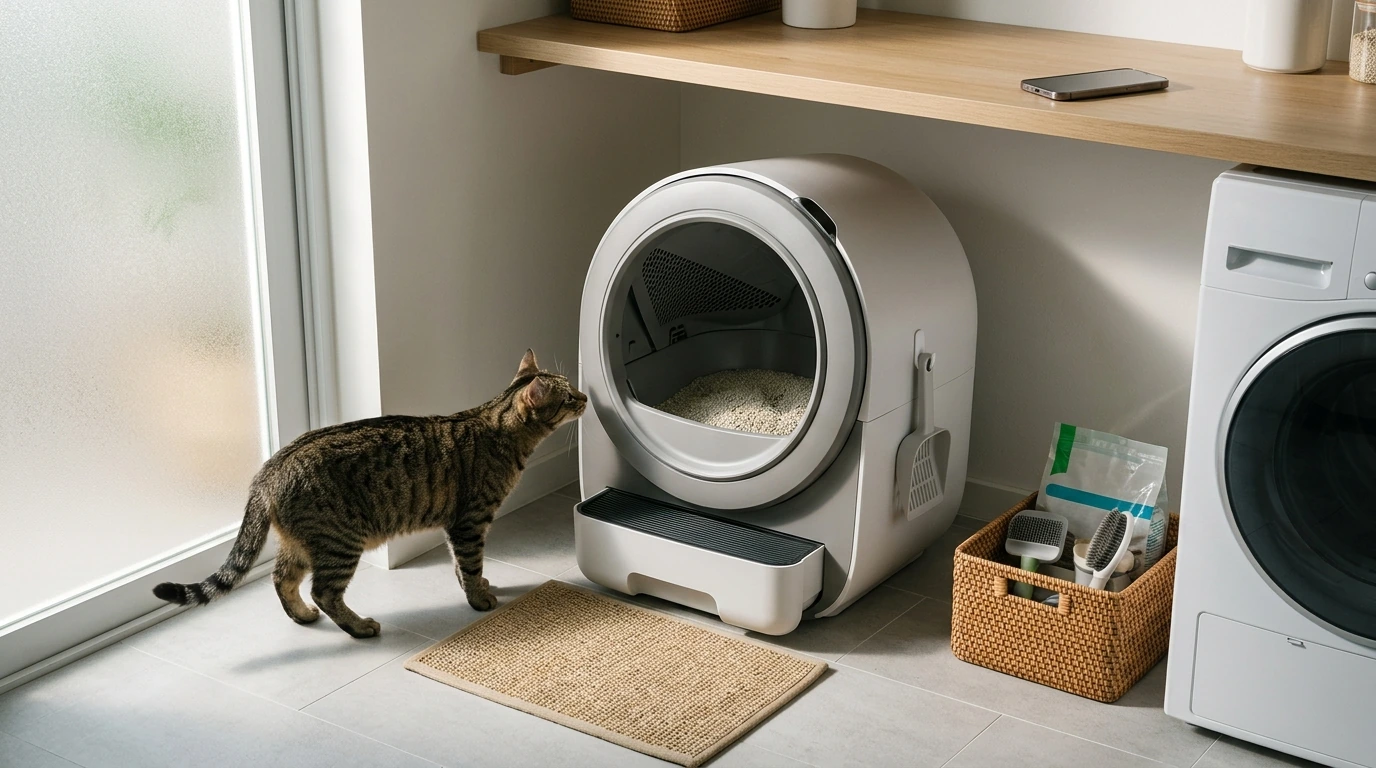
Smart Automatic Self-Cleaning Cat Litter Box with App Control and Odor Elimination
Daily scooping and lingering litter odors can make cat care feel like a constant chore—especially in smaller homes or multi-cat households. A smart self-cleaning litter box automates waste removal, helps reduce smells, and adds app-based insights so the box stays cleaner with less hands-on work. Below is what to expect from day-to-day use, which features make the biggest difference, and how to set it up for reliable, low-odor performance.
What a smart self-cleaning litter box changes day to day
The biggest upgrade is consistency. Instead of waiting until you have time to scoop, the box separates clumps after your cat uses it, keeping the litter surface noticeably fresher. That can be especially helpful for cats that refuse a dirty box and for homes where workdays or travel make routines unpredictable.
Odor control improves because waste is moved into a sealed area sooner, rather than sitting exposed in the open tray. Add app control, and you can check the box status, see if a cycle completed, and get alerts when the waste drawer is getting full—without hovering over the box or guessing.
For many households, the practical impact is fewer “emergency” cleanups, less litter smell in hallways or bathrooms, and a tidier experience overall, which can also reduce tracking and buildup around the box area.
Core features to look for (and why they matter)
App control and alerts
A solid app experience goes beyond a remote “clean now” button. Look for notifications for a full waste bin, cycle completion, and unusual activity patterns. This reduces overflow (a major cause of stink) and keeps maintenance from slipping through the cracks.
Odor elimination approach
Odor control is usually a combination of fast waste isolation plus sealed storage. A well-fitted waste drawer with compatible liners helps prevent leaks and keeps smells from escaping. Some units add deodorizing elements or airflow management; in real homes, the seal quality and timely emptying still matter most.
Safety sensors
Good sensors pause operation when a cat approaches or enters, preventing motion while a curious kitten investigates. This feature is also helpful for cautious adult cats that might return to check the box right after use.
Waste capacity and quiet operation
A larger waste drawer means fewer liner changes—especially helpful in multi-cat homes. Quiet operation matters too: the less startling the sound, the easier the transition tends to be, and the more comfortable it is if the box sits near a bedroom or living space.
Easy cleaning design
Even with automation, you’ll still deep clean occasionally. Smooth surfaces, removable components, and an accessible waste drawer make the difference between a quick wipe-down and a frustrating scrub session.
How app control improves routines and cat health awareness
App tracking can add a helpful layer of awareness. If your cat’s bathroom frequency changes noticeably—more trips, fewer trips, or irregular patterns—that information can prompt closer observation and, when needed, a conversation with a veterinarian. It’s not a diagnosis, but it can be useful context.
Notifications also protect litter box acceptance. When the waste drawer overfills, odors spike and the box can become uninviting. Alerts help you stay ahead of that. Many owners also like scheduling cycles around the household rhythm—such as running a clean shortly after peak use times—so the box stays consistently pleasant without surprise motion right after a cat exits.
In shared households, multi-user access reduces confusion: one person can empty the drawer while another monitors status, and nobody has to wonder if the box was handled already.
Odor elimination: what works in real homes
Placement also makes a difference. Avoid tight, unventilated closets where odors can concentrate. Choose a low-traffic area where cats feel safe, and keep the floor around the box easy to vacuum. For broader best practices on litter box setup and common issues, see guidance from the ASPCA and the Cornell Feline Health Center.
Setup and transition tips for picky or nervous cats
Maintenance checklist and ongoing costs
Simple care schedule for a low-odor, reliable routine
| Task | Typical frequency | Why it helps |
|---|---|---|
| Check waste drawer level | Daily to every few days | Prevents overflow and keeps odors contained |
| Empty waste drawer and replace liner | Every 3–10 days (varies by cats) | Maintains odor control and reduces mess |
| Wipe interior surfaces | Weekly | Removes residue that can trap smells |
| Clean sensors and entry area | Weekly | Improves safety detection and reduces dust issues |
| Full litter refresh and deep clean | Every 2–4 weeks | Prevents long-term odor buildup and keeps parts moving smoothly |
Who this style of litter box is best for
Featured in-stock picks
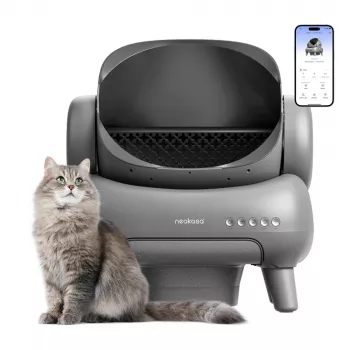
- Smart Automatic Self-Cleaning Cat Litter Box with App Control and Odor Elimination — a hands-off upgrade focused on automated waste removal, app monitoring, and odor containment.
- Calm Your Mind: Guided Meditation Series | Audio Course | Anxiety Relief Meditation — a simple add-on for owners who want a calmer routine during multi-step cat care and cleaning tasks.
FAQ
Will a self-cleaning litter box scare my cat?
Many cats adapt well when introduced gradually. Start with the unit powered off, keep the same litter, and enable automated cycles after your cat is using it confidently. Using delayed cleaning helps reduce surprise from noise or motion right after they exit.
What litter works best with an automatic self-cleaning box?
Clumping, low-dust litter typically performs best because it forms cohesive clumps that are easier to separate. Avoid very lightweight, non-clumping, or large-pellet litters unless the manufacturer explicitly supports them.
How often does the waste drawer need to be emptied?
It depends on the number of cats and the drawer capacity, but a common range is every few days to about a week or more. Emptying before it overfills improves odor control and helps the mechanism run smoothly.













Leave a comment