Closet Litter Box Odor: Ventilation & Daily Routine Tips
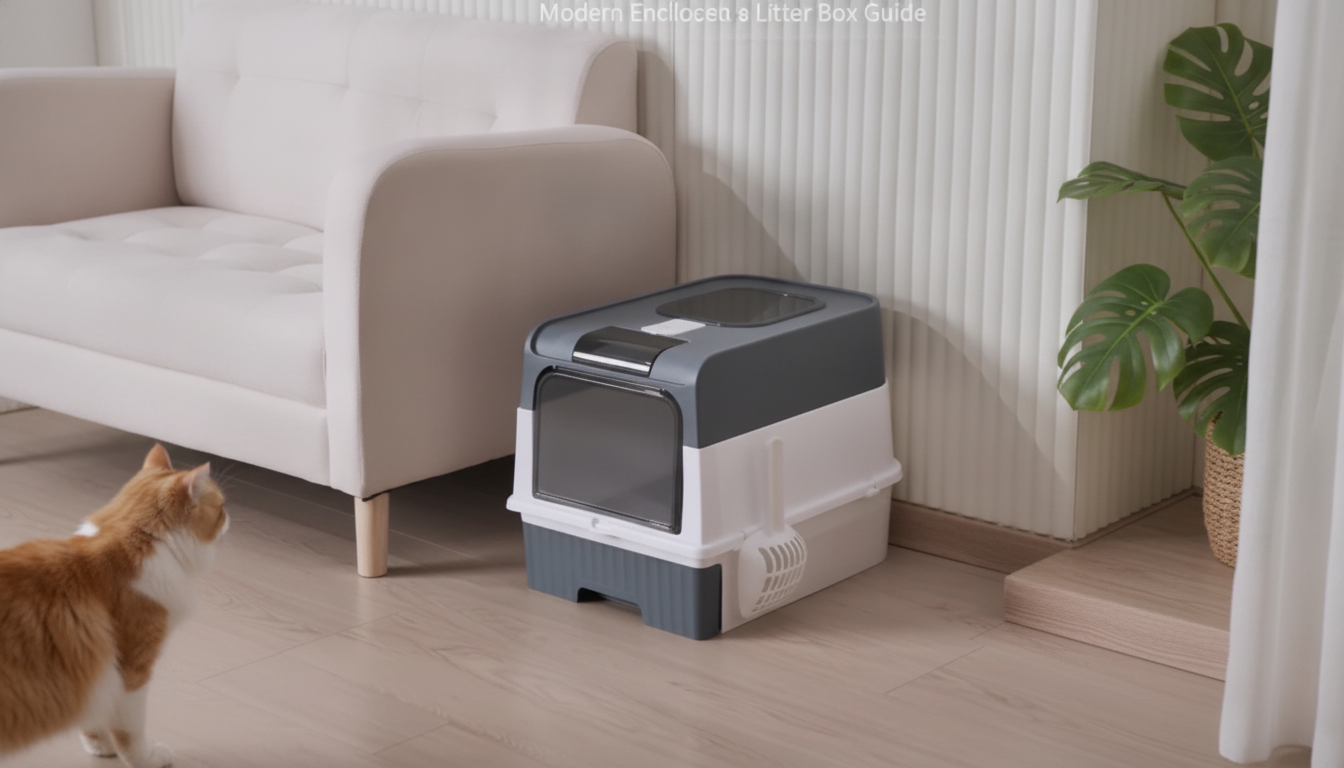
What is the best way to keep odor from a cat box away if my litter box is in a closet?
The best approach is to treat the closet like a small “odor zone” and control it with three layers: daily litter habits, airflow management, and an enclosed setup with targeted deodorizing. Because closets trap humid air, even good litter can start to smell faster—so consistency matters more than fancy add-ons.
Best odor-control setup for a closet litter box
1) Lock in a quick daily routine
Scoop at least once a day (twice for multi-cat homes) and remove clumps completely. Add a thin top-off layer of fresh litter after scooping to keep urine from sticking to the bottom and to reduce ammonia buildup. Wash the box and replace litter on a predictable schedule (often every 2–4 weeks, depending on litter type and number of cats).
2) Add ventilation without turning the closet into a drafty mess
Odor lingers when air is stagnant. If possible, keep the closet door slightly ajar or use a door stop to maintain a small gap. A small, quiet fan placed outside the closet (aimed to circulate air past the opening) can help prevent smells from concentrating in one spot.
3) Use an enclosed box plus a dedicated deodorizer
An enclosed litter box can contain scatter and reduce how much odor escapes into nearby rooms—especially in tight spaces like closets. Pair it with a deodorizer designed for enclosed boxes or multi-cat households to continuously neutralize smells rather than masking them. For practical options and setup tips, see the detailed guide here: large enclosed cat litter box deodorizer guide.
4) Keep the closet itself from absorbing smells
Remove soft items stored near the litter area (fabric holds odor). Use a washable mat under the box, wipe down baseboards regularly, and keep a small lidded trash can for used waste bags so odors don’t linger after scooping.
FAQ
What type of litter is best for controlling odor in an enclosed space?
Low-dust, clumping litter with strong ammonia control (often unscented) typically performs best in closets because it traps moisture and odor quickly without adding heavy fragrance that can bother cats.













Leave a comment