Large Enclosed Cat Litter Box with Deodorizer (Multi-Cat)
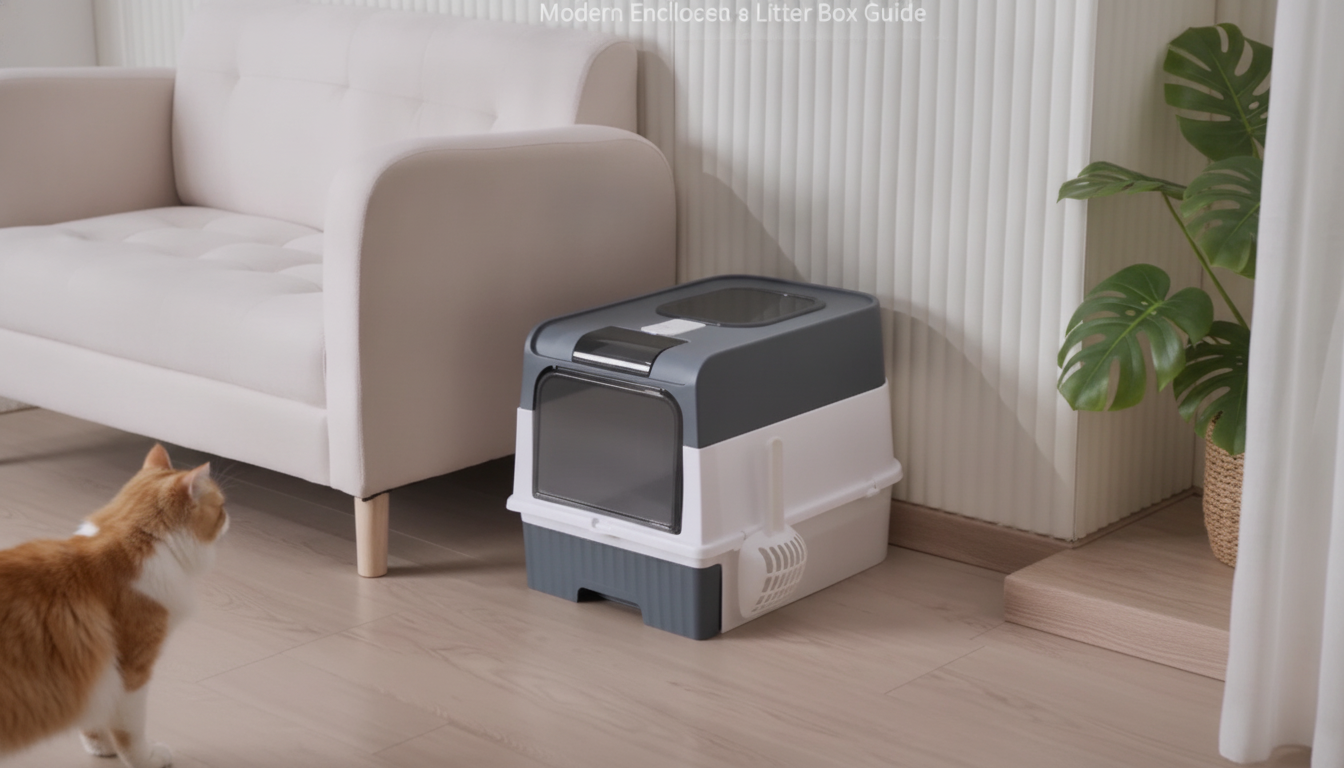
Large Capacity Fully Enclosed Cat Litter Box Deodorant: Odor Control and Privacy for Multi-Cat Homes
A fully enclosed litter box helps keep odors contained, reduces scattered litter, and gives many cats the privacy they prefer. This large-capacity model focuses on everyday practicality—more room to turn around, better containment, and built-in deodorizing support—without complicated setup. For apartments, shared family spaces, and multi-cat routines, the right enclosure can make the difference between a box you constantly notice and one that quietly does its job.
What “Fully Enclosed” Changes in Daily Use
Switching from an open tray to a fully enclosed design changes how smell, mess, and cat behavior show up day to day.
- Helps trap odors inside the housing so smells don’t spread as quickly through the room—especially helpful between scoops.
- Adds privacy, which can reduce stress for cats that dislike feeling exposed in busy households.
- Creates a physical barrier that can cut down on kicked litter and tracking when a cat digs enthusiastically.
- Limits access for curious dogs or toddlers (depending on entry style and where you place it).
Even with an enclosure, airflow and cleaning still matter. If the box is tucked into a tight corner with little ventilation, humidity and odor can build faster—something the U.S. Environmental Protection Agency notes is a common indoor air quality challenge in small or poorly ventilated spaces (EPA indoor air quality guidance).
Large Capacity Benefits for Bigger Cats and Multi-Cat Spaces
“Big enough” isn’t just about comfort; it also affects cleanliness. A cramped box can lead to awkward posture, rushed use, and accidents.
- More interior room makes it easier for larger cats to turn around and posture comfortably without pressing against the walls.
- Greater volume supports deeper litter beds, which can improve clumping performance and odor absorption when paired with regular scooping.
- Fewer “misses” happen when cats can position themselves naturally—helpful for high-sprayers and cats that stand tall to pee.
- Better for multi-cat routines when matched with consistent scoop timing and a litter depth your cats accept.
If you’re managing multiple cats, keep an eye on changes in bathroom habits or stool/urine quality. Reliable pet-care references, like the Cornell Feline Health Center, emphasize that sudden litter box changes can sometimes signal a health concern rather than a “behavior problem.”
Deodorizing Approach: What Works and What to Avoid
Deodorizing features can help, but they work best as a steady assist—not a substitute for cleaning.
- Prioritize scooping; deodorizing compartments or filters support odor control, but they can’t compensate for saturated litter.
- Choose litter thoughtfully. Unscented, low-dust formulas are often better for cats sensitive to fragrance or airborne irritation.
- Follow replacement intervals if the box uses an insert, compartment, or filter. When odors return earlier than expected, it’s a sign to replace it sooner or adjust cleaning frequency.
- Avoid strong household fragrances or essential oils near the litter area—some can be irritating or unsafe for cats, and heavy perfume can discourage box use.
One practical guideline: if you can smell the box from across the room shortly after you’ve cleaned and scooped, check seams, corners, and any textured surfaces for trapped residue before adding more fragrance.
Tracking, Scatter, and Floor Cleanliness
Enclosure walls help, but a cleaner floor usually comes from combining a few small habits.
Quick Specs Checklist (What to Confirm Before Buying)
| Consideration | Why it matters | Practical tip |
|---|---|---|
| Capacity | Comfort and fewer accidents for large cats | Choose a box that allows a full turn and squat without touching the roof |
| Enclosure level | Odor containment and privacy | If a cat is hesitant, start with the door removed (if applicable) and add later |
| Entry height | Accessibility vs. scatter control | Seniors often need lower step-in; messy kickers benefit from higher walls |
| Cleaning access | Consistency of scooping and wipe-downs | If it’s annoying to open, it will be cleaned less often |
| Deodorizing method | How stable odor control is over time | Set a calendar reminder to replace filters/inserts on schedule |
Setup and Maintenance Routine That Keeps Odors Low
For general pet care and wellness guidance, resources like the American Veterinary Medical Association (AVMA) pet-owner library can be a helpful starting point.
Product Option
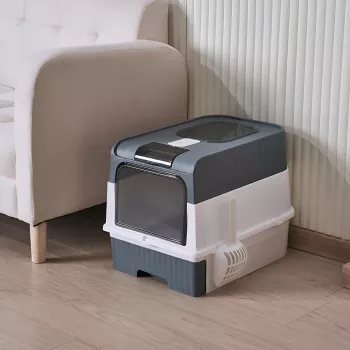
Large Capacity Fully Enclosed Cat Litter Box Deodorant is designed for odor containment, reduced scatter, and a more private litter area. It’s a strong fit for larger cats, enthusiastic diggers, and homes where litter box smell needs stronger containment. To keep performance high, pair it with daily scooping, a compatible litter, and timely replacement of any deodorizing inserts or filters included with the design.
More In-Stock Picks
- Calm Your Mind: Guided Meditation Series | Audio Course | Anxiety Relief Meditation
- Study Skills Mastery Guide | Digital Study Guide, Learning Strategies eBook, Focus Tips, Study Methods, Memory Techniques, Study Checklist PDF
FAQ
Do cats always accept a fully enclosed litter box?
Some cats adapt immediately, while others need a gradual transition. Keep the same litter, place the new box where the old one was, and if there’s a door, start with it removed or propped open until your cat uses the box consistently.
How often should a deodorizing filter or insert be replaced?
Follow the manufacturer’s schedule, which commonly ranges from a few weeks to a couple of months depending on how many cats use the box. If odor returns sooner than expected, replace the insert earlier and review scooping frequency and litter saturation.
What causes strong odor even with an enclosed box?
Strong odor usually comes from infrequent scooping, saturated litter, urine trapped along seams/corners, or poor ventilation around the box. Deep clean the enclosure, check for hidden urine spots, and if changes in urine or stool are sudden, consider a vet visit to rule out medical causes.













Leave a comment