Vet Tips for Choosing a Safe Automatic Litter Box
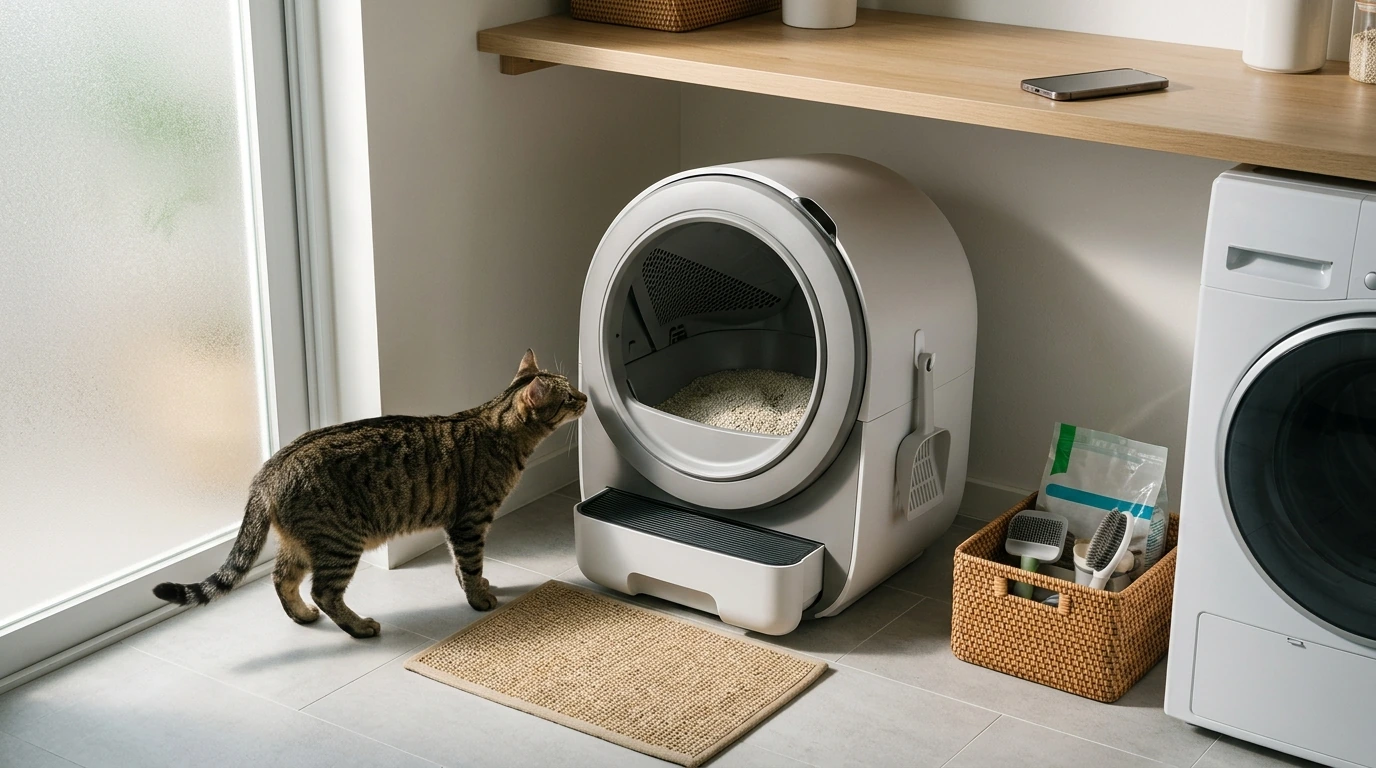
What automatic litter box do vets recommend?
Most veterinarians don’t “endorse” a single brand of automatic litter box. Instead, they recommend choosing a self-cleaning box that supports your cat’s health and reduces household odor without adding stress or safety risks. In practice, that usually means prioritizing reliable waste removal, easy sanitation, and design features that help cats use the box consistently.
What vets look for in an automatic litter box
Safety and cat comfort: A stable unit, smooth entry, and a roomy interior matter more than fancy features. Cats that feel crowded or startled may avoid the box, which can lead to accidents and urinary issues.
Effective odor control: Regular scooping is the gold standard, but a good self-cleaning system that removes waste promptly can help keep smells down—especially in multi-cat homes. Vets often prefer setups that contain waste in a sealed compartment and use compatible liners to reduce lingering ammonia odor.
Easy cleaning and maintenance: If a box is hard to disassemble or wipe down, it’s more likely to be neglected. Vets routinely stress that litter boxes must be cleaned thoroughly to reduce bacteria buildup and help detect health changes (like diarrhea, constipation, or blood in urine).
Quiet, dependable operation: A loud cycle can scare sensitive cats. A dependable rake or rotating system that doesn’t jam encourages consistent use and reduces the chance of waste sitting too long.
So which automatic litter boxes are “vet-recommended”?
Rather than one universal pick, vets generally recommend the automatic litter boxes that match the criteria above and fit your cat’s needs (age, size, mobility, and temperament). For a practical breakdown of app-controlled self-cleaning options and low-odor features to look for, use this guide: app-controlled self-cleaning litter box low-odor guide.
Quick tips vets often share before switching
Keep a traditional box available during the transition, place the new unit in a low-traffic spot, and avoid forcing your cat inside. If your cat stops using the box, appears painful when urinating, or strains, contact a veterinarian promptly.
FAQ
How do you transition a cat to an automatic litter box?
Set the new box next to the old one and let your cat explore it while keeping the old box available. Run cleaning cycles when your cat isn’t nearby at first, and gradually reduce reliance on the old box once your cat uses the automatic one confidently.













Leave a comment