Ultralight Sleeping Bags: Worth the Weight Savings?
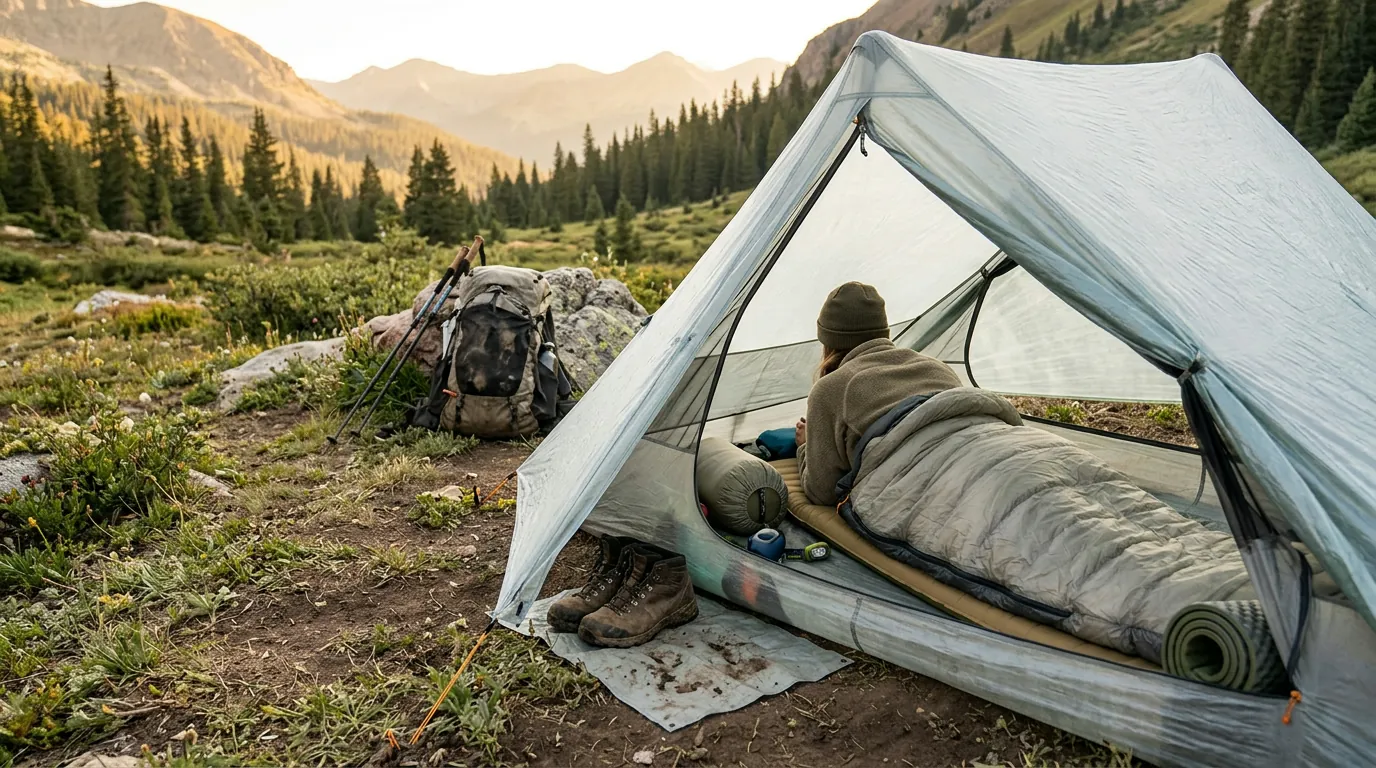
Is an ultralight sleeping bag worth it?
An ultralight sleeping bag is worth it when cutting pack weight makes your trips more comfortable, faster, or simply possible. If you hike long miles, climb with a loaded pack, bikepack, or travel with strict baggage limits, dropping even a pound can reduce fatigue and free up room for essentials like food, layers, or water.
That said, “worth it” depends on what you give up. Ultralight models often cost more and may feel narrower, have thinner fabrics, and require a bit more care around sharp rocks, crampons, and campfire sparks. Many also rely on high-quality down to hit low weights, which performs best when kept dry—so your moisture management choices matter just as much as the bag itself.
When an ultralight bag pays off
If your current sleep system is one of the heaviest items in your pack, upgrading can have an outsized impact. Ultralight bags also compress smaller, which helps keep your pack streamlined and balanced. For three-season trips where overnight lows aren’t extreme, a lighter bag paired with smart layering (like a warm base layer and a beanie) can be a comfortable, efficient setup.
When it may not be the best value
For car camping, short approaches, or budget-focused gear lists, the premium for ultralight might not translate into a noticeably better experience. If you sleep cold, toss and turn, or camp in consistently wet conditions, you may prioritize extra insulation, a roomier cut, or more robust materials over minimum weight.
Don’t ignore moisture protection
Weight savings won’t feel like a win if your insulation gets damp and loses warmth. A bag with a water-resistant shell, smart campsite selection, and a reliable sleep setup (pad + shelter) can keep performance consistent on humid or misty nights. For a deeper look at staying dry while keeping your kit light, visit this guide to ultralight waterproof sleeping bags.
FAQ
How do I keep an ultralight sleeping bag dry on damp trips?
Use a waterproof pack liner or dry bag, air the bag out during breaks, and avoid direct contact with tent walls. A water-resistant shell helps, but managing condensation and ground moisture matters most.













Leave a comment