Ultralight Waterproof Sleeping Bag: Stay Dry on Damp Nights
Ultralight Waterproof Sleeping Bag: Dry Warmth for Fast, Light Overnights
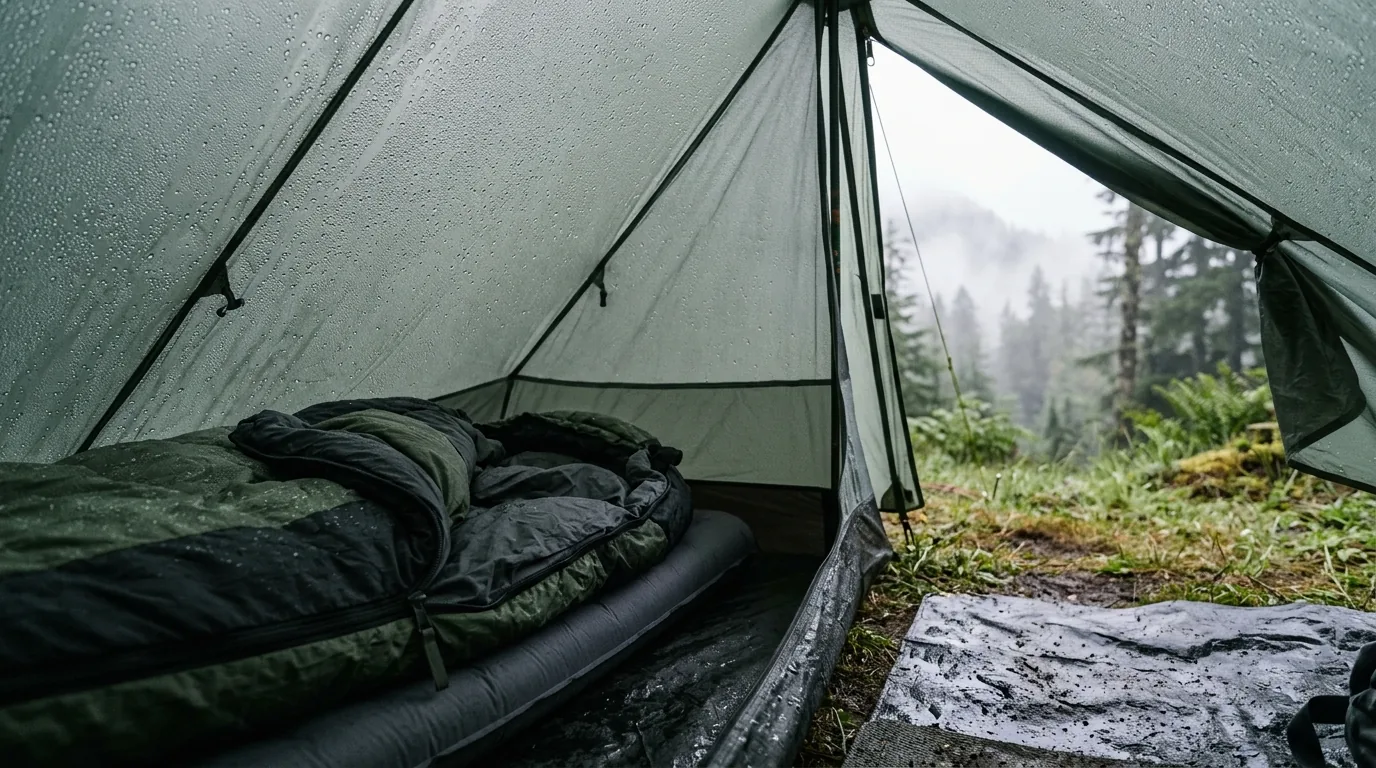
An ultralight waterproof sleeping bag helps keep insulation performing when nights turn damp—whether that moisture comes from fog, wet tent walls, or a surprise shower. The best choice balances weight, packed size, temperature comfort, and moisture protection without trapping clammy condensation inside. For quick missions and minimalist kits, getting that balance right can mean the difference between solid sleep and a long, shivery night.
What “Waterproof” Means for Sleeping Bags
Most sleeping bags marketed as “waterproof” are better described as water-resistant. In practice, water protection usually comes from the shell fabric and the way openings are built, not from the insulation magically repelling water.
- Shell-first protection: A durable water repellent (DWR) finish on tightly woven nylon or polyester helps moisture bead up and reduces “wet-out” when the bag brushes damp tent walls.
- Construction details matter: Look for a zipper that’s protected by a storm flap and a shell fabric that feels dense and tightly woven. These features slow down moisture penetration in real camp conditions.
- For true exposure, add a system: If you expect splash, dripping condensation, or ground moisture, pairing your bag with a waterproof/breathable bivy sack or a waterproof cover can provide more reliable protection than shell fabric alone.
Think of the bag as the warmth layer and your shelter setup (tent, tarp, bivy, groundsheet) as the water management layer. That division of labor tends to keep you warmer, longer, with fewer compromises in breathability.
Comfort and Warmth: Temperature Ratings Without the Confusion
Temperature ratings are useful for planning, but comfort depends on the whole sleep system and the person using it. Fatigue, hydration, calorie intake, wind exposure, and whether you sleep “cold” or “hot” can shift your comfort zone significantly.
- Use ratings as a starting point: If a bag is rated for a certain temperature, many sleepers prefer a buffer—especially for shoulder season or high humidity when you feel chilled faster.
- Don’t ignore the sleeping pad: A warmer pad (higher R-value) can deliver a bigger warmth boost per ounce than upgrading to a heavier bag, especially on cold or saturated ground. For a clear overview, see REI’s guide to sleeping pad R-values.
- Draft control is real warmth: Draft tubes, a snug hood, and a neck baffle prevent heat from pumping out each time you move—often more impactful than minor differences in shell fabric.
Quick comfort-check before buying
| Condition | What to prioritize | Why it matters |
|---|---|---|
| Humid or condensation-heavy camps | Breathability + venting options | Reduces clamminess and keeps insulation lofting |
| Shoulder-season chill | Draft protection + room for base layers | Improves warmth without large weight increase |
| Wet ground or splash risk | Water-resistant shell + protected zipper | Helps prevent wetting where the bag contacts tent walls |
| Fast-and-light packing | Compressibility + low weight | Saves space and energy on long days |
For deeper context on how ratings are tested and interpreted, REI’s sleeping bag temperature ratings overview is a solid reference.
Ultralight Features That Matter on Trail
When every ounce counts, it’s tempting to chase the lightest number on a spec sheet. But comfort features can keep you warmer with less weight overall because they reduce heat loss and let you manage temperature swings.
- Shape: Mummy bags minimize dead air space and cut weight. Semi-rectangular shapes can feel less restrictive, but typically weigh more for the same warmth.
- Zipper length: Full zips vent better and widen the usable temperature range. Shorter zips shave grams, but you lose fine control when the night starts warm and turns cold at dawn.
- Hood and collar design: A well-shaped hood and a functional neck baffle can preserve heat when temperatures dip. If you’ve ever woken up at 3 a.m. with cold air sneaking in, this is usually the culprit.
- Stuff sack strategy: Extreme compression can stress seams and insulation over time. A durable, sensible stuff system is often the better long-term choice than squeezing every last cubic inch.
Moisture Strategy: Staying Dry Without Feeling Sweaty
If conditions deteriorate and hypothermia risk rises, it helps to recognize early warning signs and respond quickly; NOLS offers a practical overview of prevention and symptoms on their hypothermia resource page.
Care and Longevity
Lightweight Picks Available Now
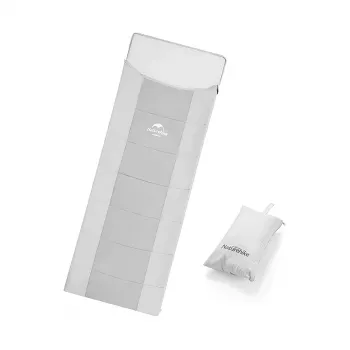
- Ultralight Waterproof Sleeping Bag ($75.67) — A compact pick for travelers and fast overnights where low bulk and damp conditions are part of the plan.
- Calm Your Mind: Guided Meditation Series ($28.99) — Useful for winding down in noisy campgrounds, travel stops, or pre-dawn wakeups when sleep is hard to come by.
- Study Skills Mastery Guide ($10.99) — A lightweight digital resource for trip planning, training schedules, or anyone balancing school and weekend overnights.
FAQ
Can a sleeping bag be fully waterproof?
A sleeping bag can have a highly water-resistant or waterproof shell, but a truly waterproof “system” is hard to achieve without sacrificing breathability at seams and the zipper. For real rain exposure, a waterproof/breathable bivy or cover over the bag is usually more reliable than shell fabric alone.
How can a sleeping bag stay warm if it gets damp?
Warmth comes from loft, so the goal is keeping insulation as dry and fluffy as possible through ventilation, good shelter setup, and airing out. If dampness happens, drying breaks, a warmer sleeping pad, and preventing further wetting work better than relying on insulation to perform while wet.
What else should be paired with an ultralight sleeping bag for wet nights?
Pair it with a sleeping pad that has enough R-value for the season, a groundsheet to block moisture, and a dry sack for packing in wet weather. A bivy or well-vented shelter, plus campsite selection that avoids pooling cold air and moisture, makes the biggest difference overnight.













Leave a comment