2L Smart Feeder with Tuya App for Cats and Dogs
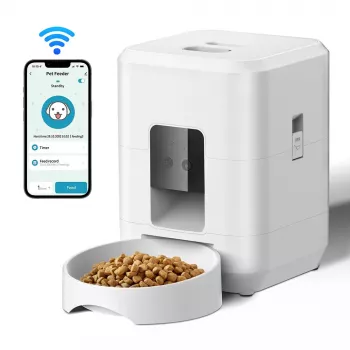
2L Smart Cat and Dog Feeder with Tuya App: Reliable Meals, Even on Busy Days
A consistent feeding routine can help reduce begging, prevent missed meals, and support healthier portion habits—especially when schedules change. A smart feeder paired with the Tuya app adds remote scheduling, timely dispensing, and quick adjustments from a phone, making daily feeding simpler for both cats and small-to-medium dogs. For more guidance, see Is There a Smart Cat Feeder for Two Cats? – Pet Gadget Insider.
What a Tuya-App Smart Feeder Helps With Day to Day
Modern schedules rarely stay predictable. A Tuya-enabled feeder is designed to keep meals steady even when the rest of the day runs long. For further reading, see Best Automatic Cat Feeder App Control for 2026 | Inside Scoop.
- Keeps meal times consistent when workdays run late, travel happens, or the household routine shifts.
- Supports portion control by using scheduled feeds instead of frequent topping-off.
- Enables remote changes: pause a feeding, add an extra portion, or adjust the schedule without being home.
- Helps multi-person households avoid double-feeding by centralizing the schedule in one place.
- Reduces stress for pets that rely on routine, especially early-morning feeders.
For broader guidance on balanced pet nutrition and healthy feeding habits, the American Veterinary Medical Association (AVMA) is a helpful starting point.
At-a-Glance: 2L Smart Cat and Dog Feeder with Tuya App
This compact 2L feeder is built for dry-food routines where app-based scheduling and quick adjustments make day-to-day care smoother. The best experience typically comes from using kibble that flows cleanly and keeping the hopper and chute free from oily buildup.
Quick Specs Overview
| Feature | What to know |
|---|---|
| Capacity | 2L (helps reduce frequent refills for many cats and small dogs) |
| Control method | Tuya mobile app scheduling and adjustments |
| Best for | Dry food routines; consistent daily schedules |
| Good fit households | Busy schedules, shared pet-care duties, predictable portion plans |
| Shopping link | 2L Smart Cat and Dog Feeder with Tuya APP (in stock) |
If you’re curious about the wider ecosystem behind many smart home devices, Tuya Smart’s platform overview provides useful context on how app-based device control generally works.
Setting Up a Smooth Feeding Schedule in the Tuya App
A smart feeder is most effective when it supports an already-realistic routine. Small changes tend to be easier for pets to accept, and they make it easier to spot whether portions and timing are working.
- Start with the current routine: keep feeding times familiar, then gradually adjust by 10–15 minutes per day if needed.
- Use smaller, more frequent portions for cats that do better with multiple mini-meals; use fewer, larger meals for dogs if recommended by a veterinarian.
- Create a simple naming convention if multiple pets are present (example: “Cat AM”, “Dog PM”) to avoid accidental changes.
- Test dispensing with an empty bowl and a small amount of kibble first to confirm portion size and timing.
- Lock in a backup plan: keep a measured scoop nearby in case of Wi‑Fi outages or power interruptions.
A practical routine is one you can maintain on your busiest day. Once the schedule feels stable, check your pet’s body condition and energy levels over time and adjust portions gradually rather than making big jumps overnight.
Food Freshness, Storage, and Bowl Hygiene
Automatic feeding works best when the kibble flows smoothly and stays fresh. Humidity, oils, and crumbs can slowly change how consistently food dispenses, so a little maintenance goes a long way.
- Use only dry kibble that stays free-flowing; avoid sticky treats or semi-moist foods unless the device explicitly supports them.
- Refill with clean, dry hands and keep the lid closed to limit humidity exposure.
- Clean the bowl regularly and wipe dispensing areas to reduce oil buildup from kibble coatings.
- Store extra kibble in a sealed container away from heat and moisture to help preserve quality.
- If a pet has allergies or a sensitive stomach, keep a consistent food type and adjust portions rather than switching foods frequently.
For pet food handling and safety updates, including recall information, the FDA’s pet food resource is a reliable reference.
Choosing the Right Capacity and Routine for Cats vs. Dogs
A 2L hopper often hits a sweet spot for smaller pets: enough capacity to avoid constant refills, but not so much that kibble sits too long and loses freshness. The right schedule depends on species, age, and any health goals you’re working toward.
Common Issues and Practical Fixes
When an Automatic Feeder Is (and Isn’t) a Good Idea
Recommended In-Stock Picks
- 2L Smart Cat and Dog Feeder with Tuya APP
- Calm Your Mind: Guided Meditation Series | Audio Course | Anxiety Relief Meditation
FAQ
Does the Tuya app work if the phone is not on the same Wi‑Fi network as the feeder?
In most setups, remote control works through the app’s cloud connection after the feeder is connected to home Wi‑Fi. Many feeders will continue scheduled dispensing even when the phone is away, though specific features can vary by device and network settings.
What type of food works best in an automatic cat and dog feeder?
Dry kibble that is uniform, free-flowing, and not overly oily is typically the best choice. Avoid wet food, sticky treats, or very large/irregular pieces unless the feeder explicitly supports them, and keep kibble dry to prevent clumping.
How often should a smart feeder and bowl be cleaned?
Wash the bowl regularly (often daily or every few days, depending on use) and wipe down dispensing areas and the hopper on a routine schedule to prevent oil buildup. Always follow the manufacturer’s cleaning and drying guidance to protect food freshness and performance.













Leave a comment