Sapphire Crystal Explained: Is It Real Sapphire?
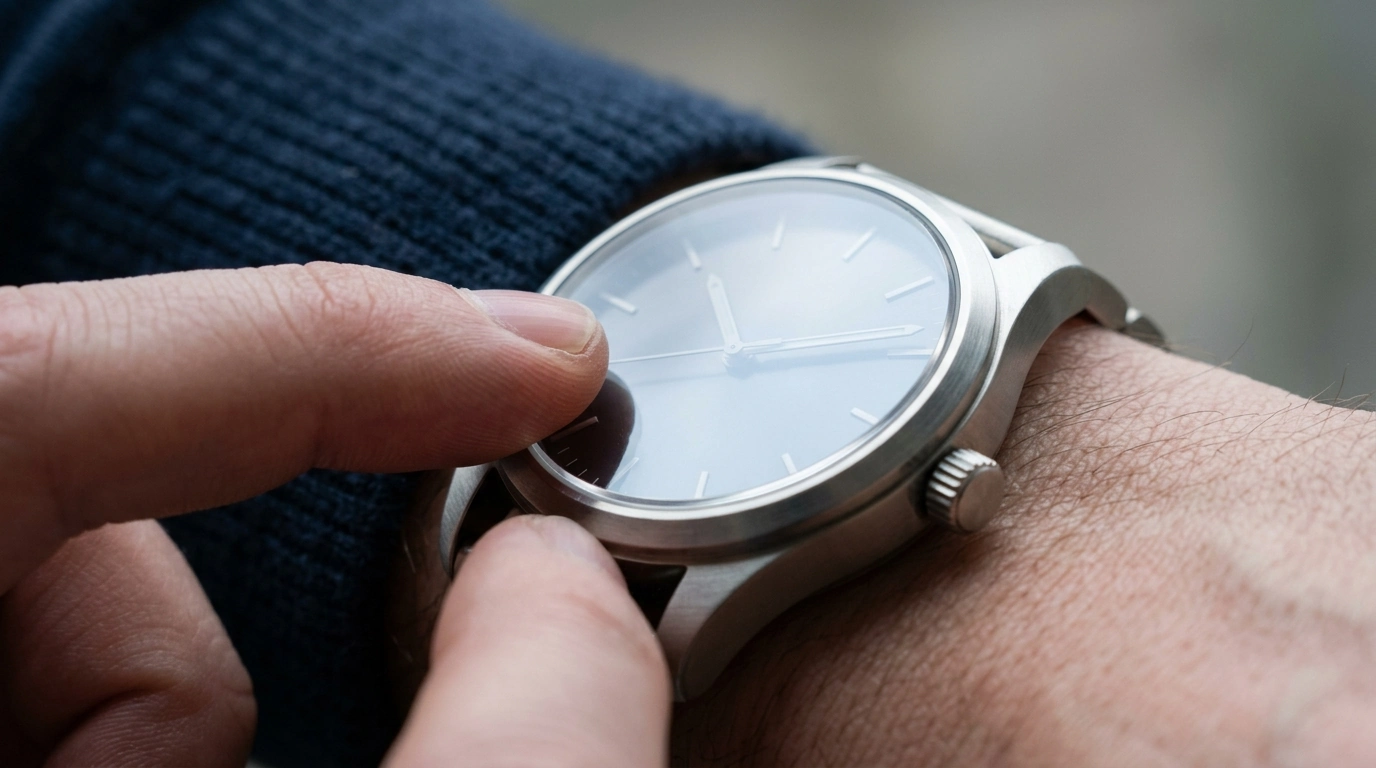
Is sapphire crystal real sapphire?
Sapphire crystal is “real sapphire” in the material-science sense, but it isn’t a gemstone cut for jewelry. Watch sapphire crystal is made from synthetic sapphire—laboratory-grown corundum (aluminum oxide)—that has the same crystal structure and hardness as natural sapphire. The big difference is origin: natural sapphire forms in the earth, while watch crystals are grown under controlled conditions to produce clear, consistent sheets that can be cut and shaped for a dial window.
What sapphire crystal means on a watch
When a watch lists “sapphire crystal,” it indicates the transparent cover over the dial (and sometimes the caseback window) is made from synthetic sapphire. This material is prized because it’s highly scratch-resistant in everyday wear, which helps keep the face looking clean and clear over time—especially compared with mineral glass or acrylic.
Is it the same as the blue sapphire gemstone?
Yes and no. “Sapphire” is the gemstone name for corundum, often colored by trace elements (blue is the most famous). Watch crystals use the same base material, but they’re typically made to be colorless and optically clear. So it’s the same substance, just produced and finished for durability and visibility rather than color and brilliance.
Why most brands use synthetic sapphire
Synthetic sapphire is used because it can be produced in large, uniform pieces with fewer inclusions, then precisely machined into domed or flat crystals. It also makes consistent quality easier to deliver across many watches while keeping the material authentic and performance-focused.
For more context on how sapphire crystal fits into a luxury chronograph build, see the full guide here: https://gertrudo.com/guide-38mm-luxury-chronograph-sapphire-crystal-leather-strap/.
For Sapphire Crystal Explained: Is It Real Sapphire?, the best answer depends on fit, material, care instructions, and how the product will be used day to day.
FAQ
Is sapphire crystal better than mineral glass?
Sapphire crystal is generally more scratch-resistant than mineral glass, helping it stay clearer with daily wear. Mineral glass can still be durable, but it tends to pick up fine scratches more easily over time.












Leave a comment