Are BJD Dolls Fragile? Resin vs Vinyl, Safety Tips
Are bjd dolls fragile?
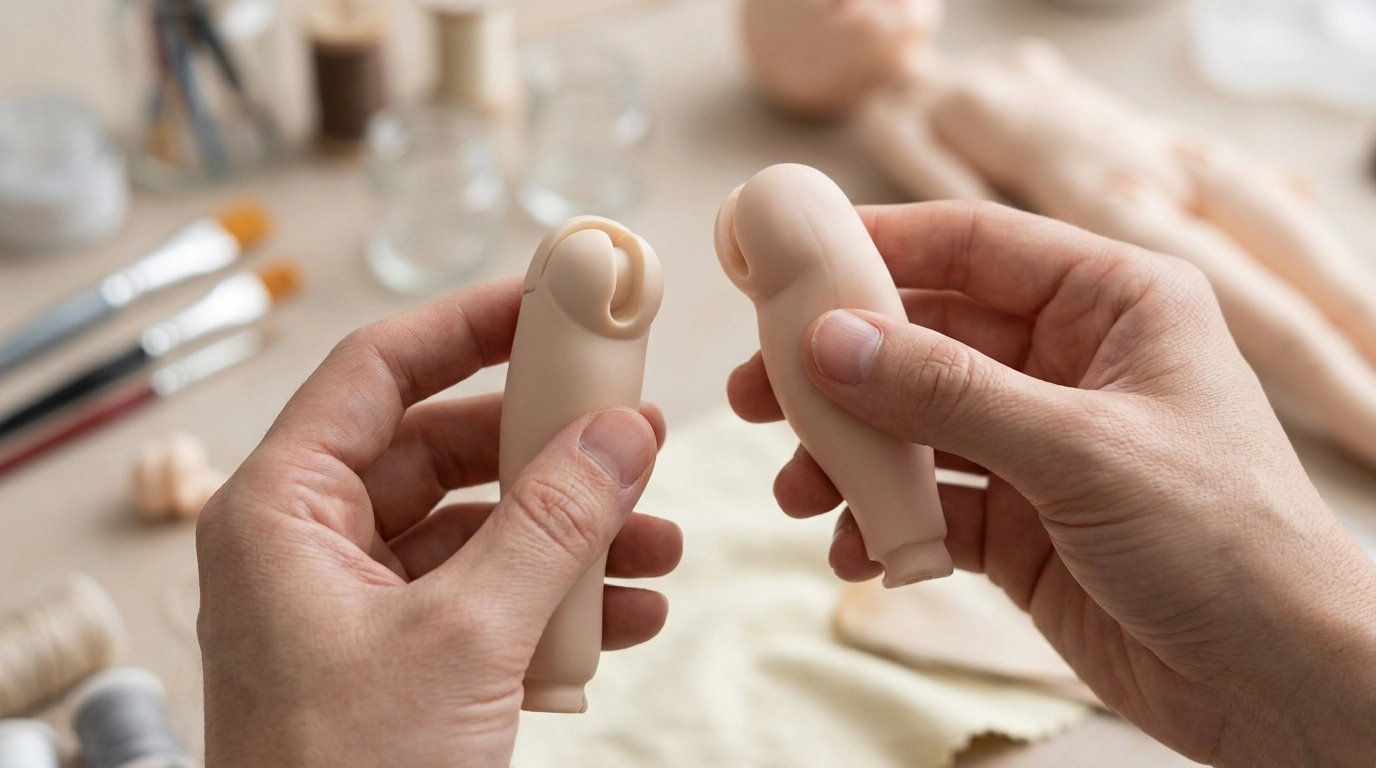
BJD (ball-jointed) dolls can be fragile, but “fragile” depends on what they’re made from and how they’re handled. Most BJDs are cast in resin, which looks and feels substantial yet can chip, crack, or scratch if dropped or knocked against hard surfaces. The small, detailed parts—hands, feet, faceplates, and delicate fingers—tend to be the most vulnerable. Vinyl and ABS BJDs are often more impact-tolerant than resin, but they can still suffer stress marks, loosened joints, or scuffs over time.
The biggest risk isn’t everyday posing—it’s accidents. A fall from a shelf or table is the most common cause of serious damage. Strings and elastic inside the doll can also wear out, leading to floppy posing rather than breakage, but it can increase the chance of a tumble if the doll won’t hold a stance. Sueded joints, silicone caps, and proper tensioning can improve stability and reduce accidental slips.
Handling habits make a noticeable difference. Support the doll’s torso when moving it, and avoid lifting by an arm, wrist, or ankle. Pose slowly, especially at tight joints, and don’t force a range of motion that feels “stuck.” Resin can also be sensitive to heat and prolonged sun exposure, which may cause yellowing or warping; keeping the doll away from windows and hot cars is a smart baseline.
For practical posing and stability tips—especially for smaller 1/6 minis—see the full guide here: https://gertrudo.com/guide-sapphire-1-6-winter-bjd-mini-resin-doll-posing-guide/.
For Are BJD Dolls Fragile? Resin vs Vinyl, Safety Tips, the best answer depends on fit, material, care instructions, and how the product will be used day to day.
Checking those details first helps avoid a poor match and keeps the choice practical after delivery.
FAQ
How do you store a BJD doll safely?
Store it lying down in a padded box or in a display case where it can’t fall. Keep it away from direct sunlight, high heat, and items that can stain resin (like dark fabrics) for long periods.
















Leave a comment