Sapphire Crystal Watches: Benefits, Drawbacks & Value

Are sapphire crystal watches good?
Yes. A watch with a sapphire crystal is a strong choice if you want a clear face that resists everyday scratches. Sapphire ranks 9 on the Mohs hardness scale, so contact with common materials such as keys is unlikely to leave marks. It is especially useful on a watch you plan to wear often, including a diver-style model.
What are the advantages?
Scratch resistance helps the dial stay easy to read and keeps the watch looking polished over time. Sapphire is also clear, so it presents the hands and markers without the hazy appearance that can develop on a scratched crystal. For a watch intended for active use, that durability can make the added cost worthwhile.
Are there any drawbacks?
Sapphire is hard, but it is not indestructible. A sharp impact against a hard surface can chip or crack it; mineral glass may be more forgiving under some impacts. Sapphire crystals can also reflect light, though an anti-reflective coating can reduce glare. That coating is softer than the sapphire beneath it and may show wear over time.
Is sapphire the right choice for your watch?
Choose sapphire if scratch resistance and long-term clarity matter most to you. If you prioritize lower replacement cost or impact tolerance, mineral glass may suit your needs better. Neither crystal type makes a watch waterproof: water resistance depends on the case, seals, crown, and construction, not just the crystal.
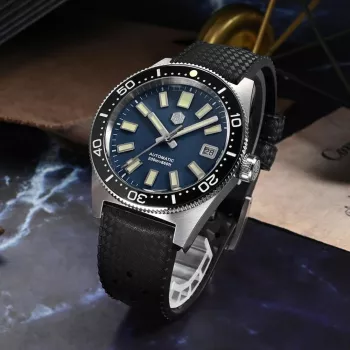
For a practical example of a sapphire-equipped diver, explore our guide to a 39mm automatic diver watch with sapphire, 200m water resistance, and luminous markers. Consider how you will wear the watch and which features matter most before choosing.
FAQ
Can sapphire crystal be replaced if it cracks?
Yes. A watchmaker can usually replace a cracked sapphire crystal, though the exact part and service cost depend on the watch. Have the watch inspected after damage, since an impact may also affect its seals or case.













Leave a comment