Find the Smallest Ultralight Sleeping Bag for Your Trip
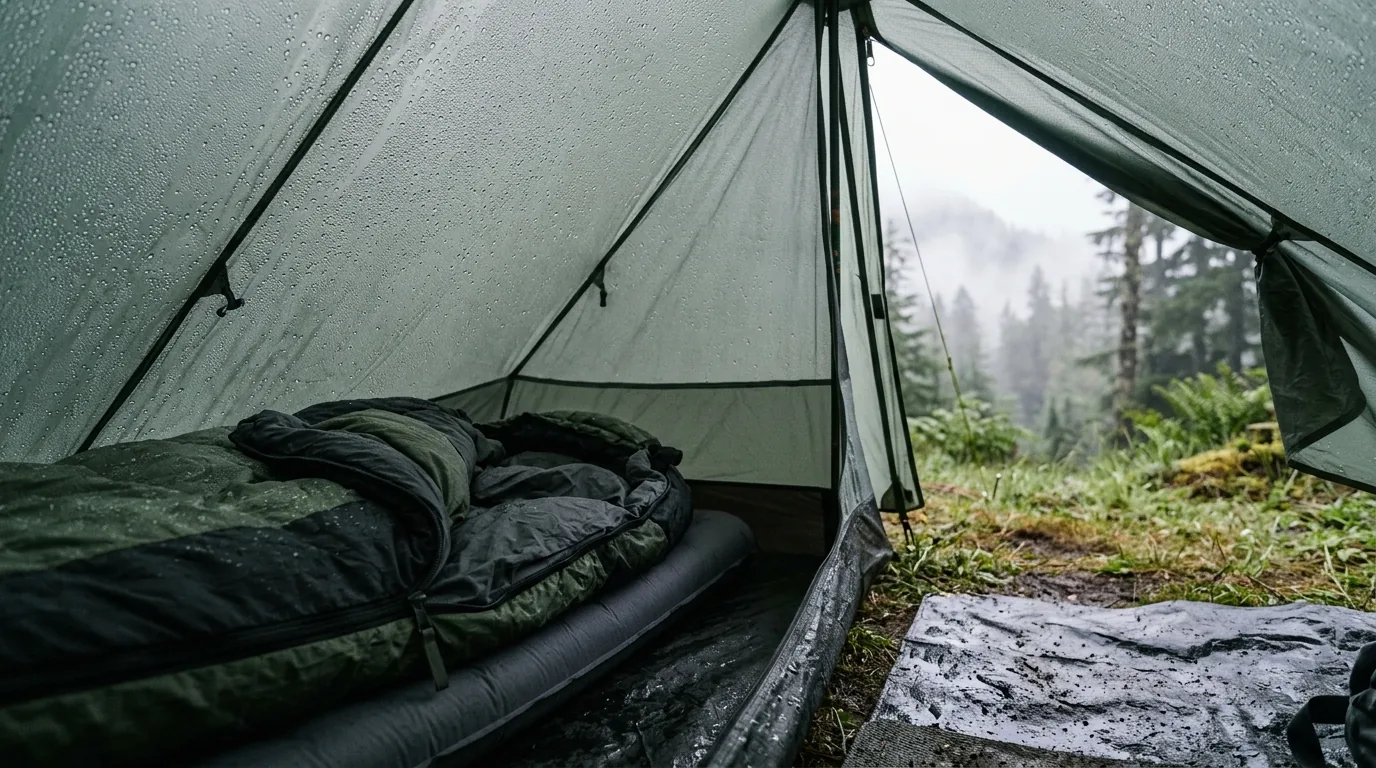
What is the smallest ultralight sleeping bag available?
There isn’t one universally smallest ultralight sleeping bag: packed dimensions vary by model, temperature rating, insulation, and how tightly you compress it. If you mean the smallest packed size, compare the manufacturer’s stated packed volume for bags that still meet your trip’s warmth needs. Ultralight down bags are often highly compressible, but construction and fill weight matter as much as the insulation type.
For a fair comparison, look at packed volume and total weight separately. A bag can weigh very little yet take up more room, while a compact bag may be heavier. Also compare comfort-temperature ratings rather than choosing by the lowest advertised limit; a tiny bag won’t be useful if it isn’t warm enough for your expected conditions.
How should you choose a compact ultralight bag?
Start with the coldest conditions you expect, then shortlist bags with an appropriate comfort rating. Among those options, compare packed dimensions, weight, insulation amount, and features such as a hood or zipper. A minimalist design may pack smaller, but make sure its coverage and warmth suit the way you plan to camp.
Compression can reduce a bag’s packed size, but avoid leaving down or synthetic insulation compressed for long-term storage. For backpacking, use a stuff sack for the trail and store the bag loosely at home. If pack space is the priority, test how the bag fits alongside your other gear rather than relying only on a “small” label.
Does a waterproof sleeping bag make sense for a small pack?
A water-resistant shell can help with condensation and light moisture, but it does not make a sleeping bag a substitute for dry storage. Keep your insulation protected from rain with a waterproof pack liner or dry bag. For more on choosing a bag for damp conditions, read our guide to ultralight waterproof sleeping bags.
FAQ
How do you keep a sleeping bag dry in a backpack?
Pack it inside a waterproof liner or dry bag, and keep that closure secure when rain is expected. At camp, air the bag out when conditions allow so moisture from condensation or your body can escape.













Leave a comment