Are BJD Dolls Chinese? Origins, Makers, and Quality
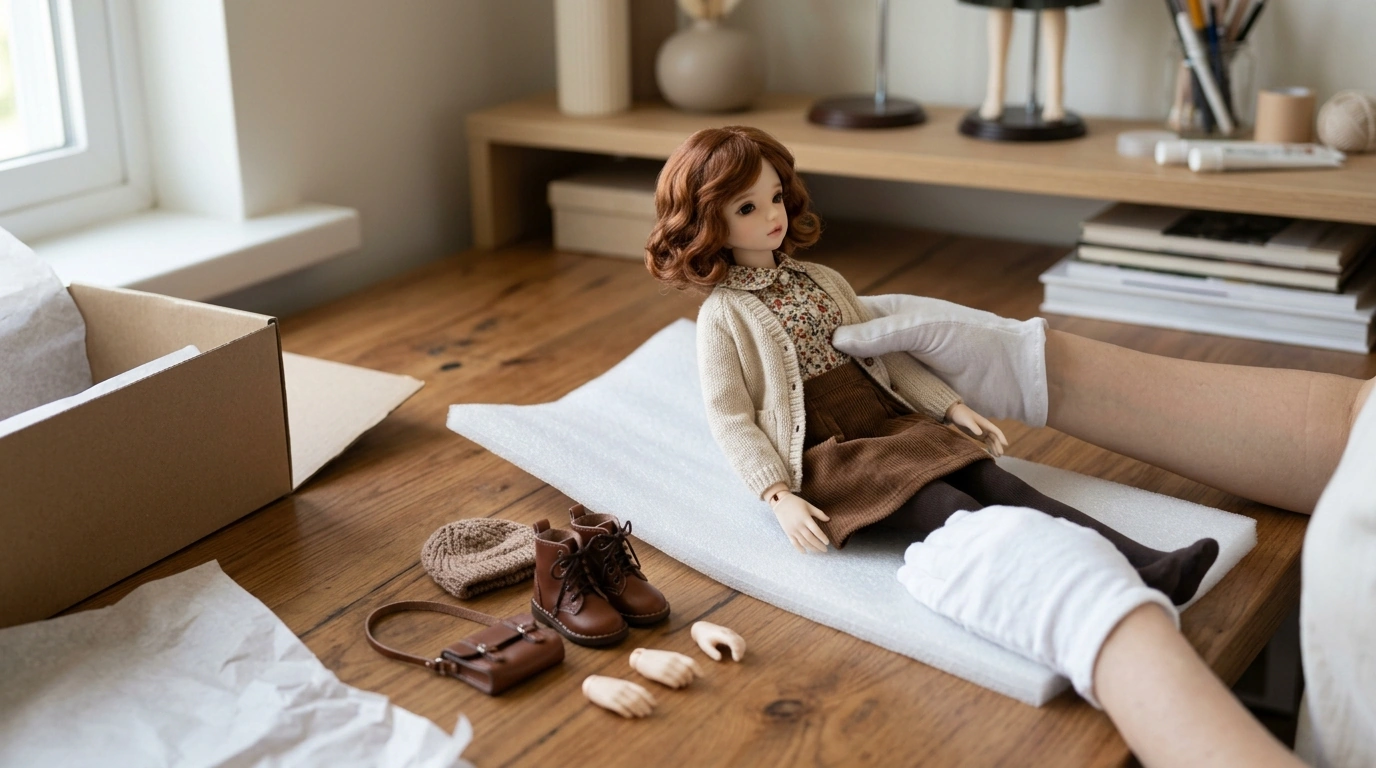
Are BJD dolls Chinese?
Ball-jointed dolls (BJDs) aren’t exclusively Chinese. The hobby is global, with major milestones and popular makers coming from several countries. Early modern BJDs gained wide attention through Japanese companies in the late 1990s, while South Korean studios helped shape many of the sculpting styles and resin “look” collectors recognize today. China also plays a significant role—both through original Chinese artists and brands, and through large-scale manufacturing that supports everything from accessories to full dolls.
So, are BJD dolls Chinese? Some are, many aren’t, and a doll’s origin depends on the specific brand, sculpt, and where it’s produced. It’s common to see “designed in one country, cast/assembled in another,” especially for small studios that partner with specialized factories. That mix can make “where it’s from” more nuanced than a single label.
How to tell where a BJD is from
A reputable BJD will usually have clear maker information: a company or artist name, an order record, a certificate of authenticity (COA), a branded box, and identifiable sculpt details. Many legitimate makers also stamp or mark parts internally. If the seller can’t provide provenance—or the doll is advertised vaguely as “BJD style” without a maker—treat it cautiously.
Does country of origin affect quality?
Quality varies more by maker standards than by country. Resin mix, casting skill, seam cleanup, joint engineering, and face-up craftsmanship determine how a doll looks and poses. Chinese BJDs can be excellent, especially from established studios and respected independent artists; likewise, any region can have both premium and budget offerings.
For a practical look at BJD fit, handling, and care—especially around full sets and sizing—see the detailed guide here: https://gertrudo.com/guide-faina-1-4-scale-bjd-fullset-unboxing-fit-care-tips/.
FAQ
What does “fullset” mean for a BJD?
A fullset typically includes the doll plus a curated outfit and accessories, often with a wig, eyes, and a styled face-up. The exact contents vary by maker, so it’s worth checking the listing details for what’s included.










Leave a comment