Are Double Skin Tents Better? Pros, Cons & Condensation
Are double skin tents better?
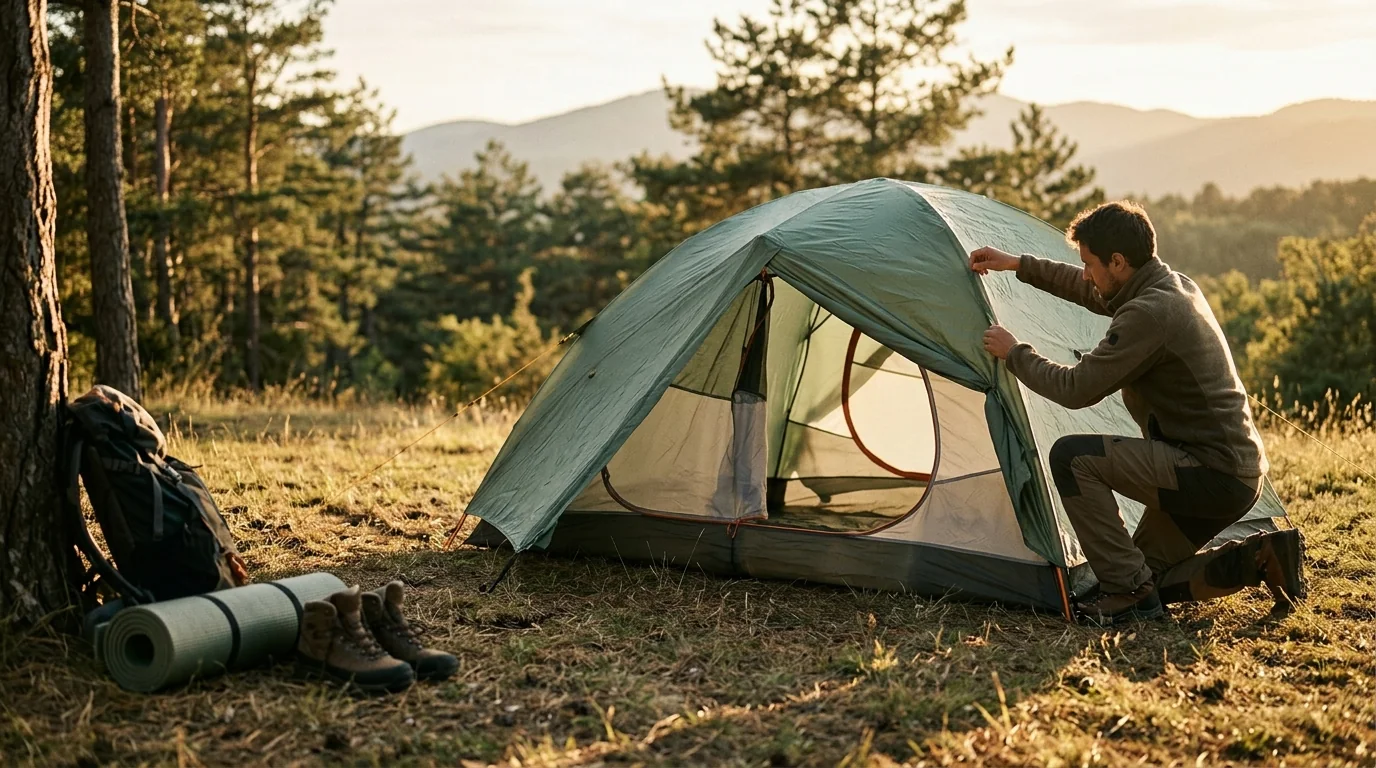
Double skin (double-wall) tents are often “better” when comfort and weather management matter—especially in humid, cold, or shoulder-season conditions. The basic advantage is separation: an inner tent (often breathable fabric or mesh) sits under a waterproof rainfly, creating an air gap that helps reduce condensation reaching sleepers and gear.
In practice, double-wall designs tend to feel drier overnight. Moisture from breathing and damp clothing can condense on the inside of the rainfly, but the inner wall keeps that moisture from brushing onto sleeping bags. This is a major quality-of-life upgrade on multi-day trips where drying time is limited.
They also offer more versatility. On warm, clear nights, many models let you pitch just the inner for bug protection and airflow. When storms roll in, adding the fly improves wind resistance and weatherproofing. In four-season or high-exposure environments, the layered structure can also improve livability by smoothing out drafts and adding a bit of thermal buffering (though no tent “heats” like insulation).
That said, double skin tents aren’t automatically better for every trip. They typically weigh more and pack larger than comparable single-wall shelters, and setup can take slightly longer. If ultralight weight is the top priority and conditions are reliably dry with low condensation risk, a well-designed single-wall shelter can be a smart choice.
For a deeper look at choosing a waterproof, ultralight, 2-person, 4-season double-layer setup—including practical tradeoffs—see the full guide here: ultralight 2-person 4-season waterproof double-layer tent guide.
For Are Double Skin Tents Better? Pros, Cons & Condensation, the best answer depends on fit, material, care instructions, and how the product will be used day to day.
Checking those details first helps avoid a poor match and keeps the choice practical after delivery.
FAQ
Do double wall tents reduce condensation?
Yes, they usually reduce the impact of condensation by keeping moisture on the rainfly away from you and your gear. Ventilation and campsite choice still matter, but the inner wall provides a helpful barrier.













Leave a comment