Cordless Cat Fountain: Place Fresh Water Anywhere
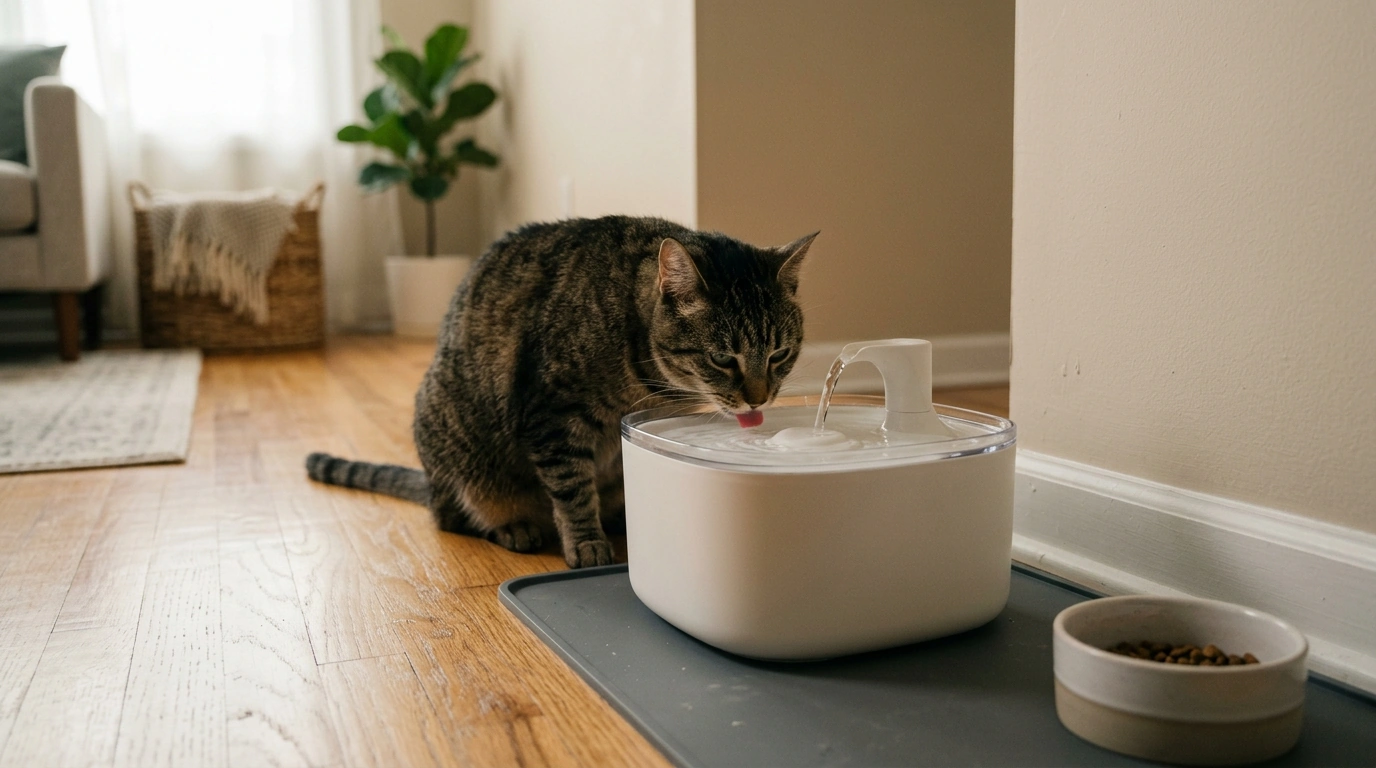
Cordless Pet Fountain for Cats: Fresh Water Anywhere, Fewer Messes, Happier Hydration
Cats often prefer moving water, but cords and fixed placement can make fountains inconvenient. A cordless fountain helps keep water accessible in the spots cats already like—without running cables across floors—while still supporting cleaner, fresher-tasting drinking water through circulation and filtration. For many households, that simple change (putting water where it actually works for your cat) can make hydration feel effortless.
What Makes a Cordless Fountain Different
The biggest difference is freedom of placement. A cordless fountain can go in a quiet corner your cat favors, near the feeding area (but away from litter), or even in a bedroom where an older cat spends most of the day. Without a cord, you avoid the “where’s the outlet?” limitation that often forces water stations into noisy, high-traffic areas.
- Cord-free placement: set the fountain where your cat naturally drinks—quiet corners, near food, or in a separate room.
- Fewer hazards: reduced tripping risk and less temptation for cord chewing compared with plug-in units.
- Flexible use cases: helpful in apartments with limited outlets, multi-pet homes, travel setups, temporary rooms, and for senior cats who benefit from nearby water.
- Rechargeable design: often built around a rechargeable power source and low-voltage pump system.
Key Features to Look For Before Buying
Cordless fountains vary a lot in day-to-day usability. These features make the difference between “set it and love it” and “why is this always annoying?”
- Water capacity: enough for normal daily drinking plus some evaporation; bigger is often easier in multi-cat homes.
- Filtration: multi-stage filters can reduce hair, debris, and odors. Confirm replacement filters are easy to find and note the recommended schedule.
- Pump and flow options: adjustable streams or gentle flow can help picky drinkers; a quiet pump matters for noise-sensitive cats.
- Materials: stainless steel and BPA-free plastics are common; smooth surfaces clean faster than textured ones.
- Battery and charging: check charging method, typical runtime, and whether it can operate while charging for uninterrupted access.
- Low-water protection: automatic shutoff can protect the pump and make refill needs more obvious.
- Ease of cleaning: tool-free disassembly, fewer tight corners, and dishwasher-safe parts (when applicable) simplify upkeep.
Quick Comparison: Cordless vs Plug-In Fountains
This snapshot helps you decide whether cordless convenience outweighs keeping a charging routine. Homes with limited outlets—or cats that prefer to drink far from the kitchen—often benefit most from cordless placement flexibility.
| Feature | Cordless Fountain | Plug-In Fountain |
|---|---|---|
| Placement | Anywhere with a stable surface | Near an outlet |
| Daily convenience | No cord management; requires charging plan | No charging; cord may need securing |
| Safety considerations | Fewer cord hazards; still keep charging cable supervised | Cord chewing/tripping risk; keep cords protected |
| Best for | Apartments, multi-room access, travel setups | Permanent stations and hands-off power |
| Maintenance | Same cleaning/filters; add battery care | Same cleaning/filters |
Setting Up a Cordless Fountain for Best Results
A good setup prevents most “first week” problems (noise, hesitation, weak flow). A few minutes up front can lead to smoother long-term use.
- Rinse all parts before first use to remove packaging debris and manufacturing dust.
- Soak and rinse the filter as directed—many carbon filters need a pre-soak to reduce initial dust.
- Fill to the recommended line; low water can increase pump noise and reduce flow.
- Charge fully before first use to stabilize early runtime expectations and support battery health.
- Introduce gradually: place near the current bowl for 1–3 days, then move to the final location.
- Keep at least one alternative water source available during the transition.
Placement Tips That Encourage Cats to Drink More
Even the best fountain won’t help if it’s in the “wrong” spot for your cat. Small placement tweaks often lead to noticeably more frequent visits.
Cleaning and Filter Routine (Simple and Sustainable)
For broader pet health and hygiene guidance, reputable references include the Cornell University College of Veterinary Medicine—Feline Health Center and the American Veterinary Medical Association (AVMA) pet owner resources.
Troubleshooting Common Issues
When a Cordless Fountain Is a Strong Fit
Recommended Picks (In Stock)
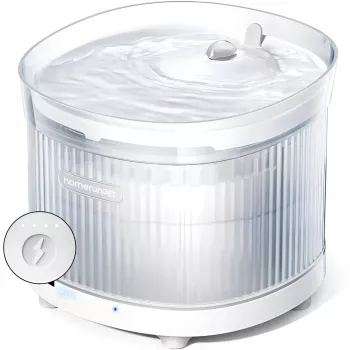
- Cordless Pet Fountain for Cats — a flexible water station designed to help you place fresh, circulating water where your cat is most comfortable.
- Calm Your Mind: Guided Meditation Series — a simple self-care option for pet parents keeping up with daily routines like refills, cleaning, and multi-pet schedules.
Cordless Pet Fountain for Cats
A cordless design supports flexible placement while still providing circulating water that many cats prefer. Use a stable mat, keep a simple weekly cleaning cadence, and replace filters on schedule to maintain water freshness. Product details, current price, and availability are available on the Cordless Pet Fountain for Cats product page.
FAQ
How often should a cat water fountain be cleaned?
Wipe and top off daily, then do a full wash (including the pump area) about once a week. If you have multiple cats, hard water, or lots of hair/debris, cleaning and filter changes may need to happen more often.
Is moving water actually better for cats than a bowl?
Many cats are attracted to circulating water because it can seem fresher and more interesting than still water. Cleanliness and regular water changes matter most, but a fountain can encourage drinking for cats that tend to ignore a standard bowl.
What should be done if the fountain pump gets noisy?
Start by checking the water level, since low water is the most common cause of noise. Next, clean the pump/impeller and confirm the filter and intake aren’t clogged, and make sure the fountain is sitting level on a stable surface.












Leave a comment