Handmade Retro Lace-Up Leather Ankle Boots for Women
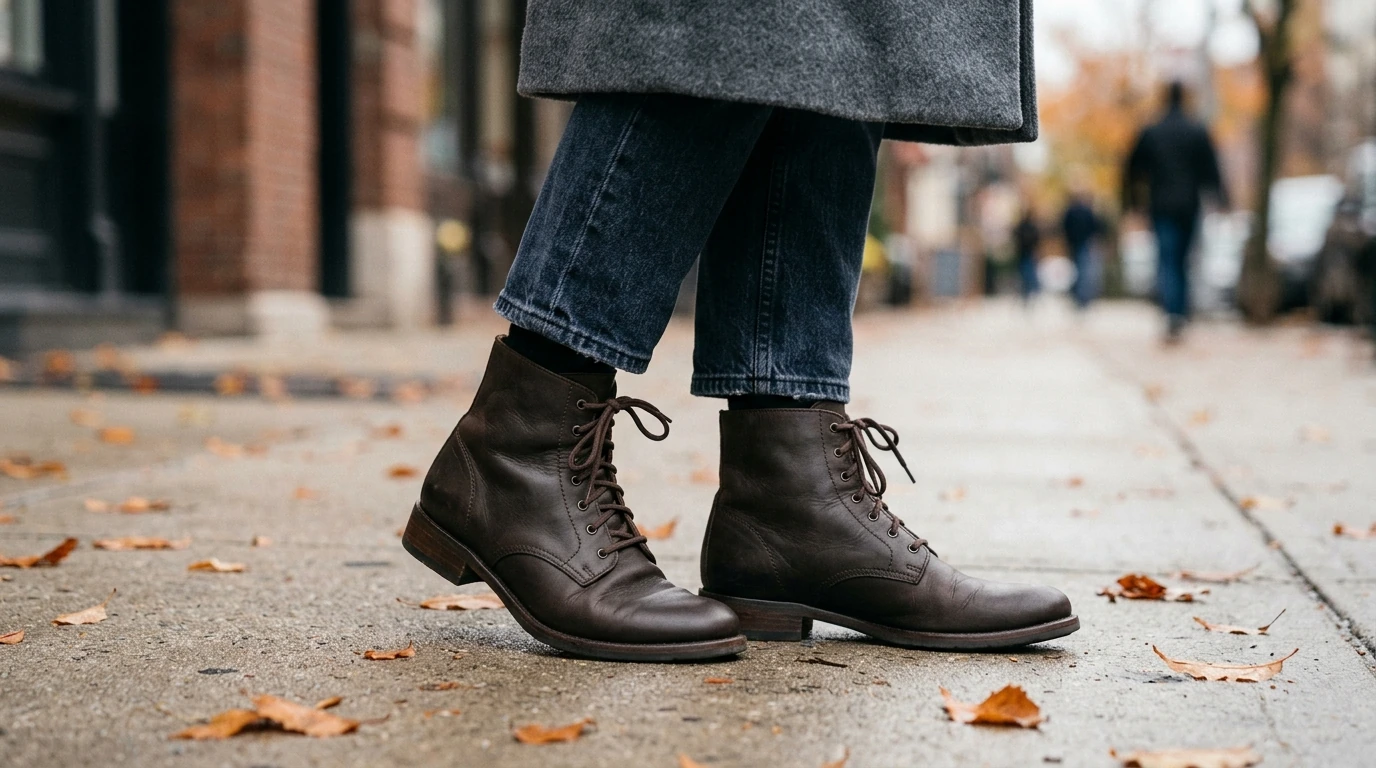
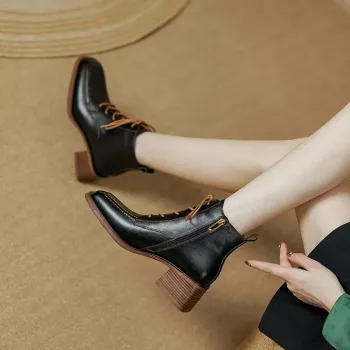
Women’s Genuine Leather Lace-Up Ankle Boots – Handmade Elegant Retro Booties
These handmade lace-up ankle boots pair genuine leather with a retro silhouette designed for everyday polish. The lace-up front supports a secure fit, while the ankle height makes them easy to style from workwear to weekend layers. If you like footwear that looks refined without feeling precious, this is the kind of bootie that can anchor outfits for months at a time—especially during transitional weather.
What Makes These Boots Stand Out
- Genuine leather upper for a classic look that can develop character with wear.
- Lace-up closure to fine-tune fit across the instep (helpful if one foot runs slightly higher than the other).
- Ankle-boot profile that works across seasons and outfits—easy with jeans, trousers, skirts, and tights.
- Retro-inspired styling that reads elegant rather than flashy, so it pairs well with both minimalist and vintage wardrobes.
Materials and Craft Details
Leather boots tend to reward consistency: wear them, care for them, and they settle into a better-looking version of themselves. Genuine leather uppers often soften over time, helping the boot feel more personalized after a short break-in period. Handmade construction typically emphasizes careful finishing and consistent stitching—details that matter when the goal is a polished boot that still feels wearable.
A structured lace-up front can also help reduce heel slip compared with looser pull-on styles, since you can snug the boot through the midfoot and ankle instead of relying on one fixed opening. For a timeless look, retro booties often pair best with matte or lightly burnished leather rather than high-gloss finishes.
For general footwear comfort basics—especially around fit and break-in—resources like the American Podiatric Medical Association are a useful reference point.
Fit and Comfort: Getting the Best Wear
Lace-up ankle boots shine when the lacing is treated as a comfort tool, not just a design detail. Aim for a fit that’s stable at the heel and instep, while still allowing natural toe splay. If you plan to wear thicker socks, try adjusting the laces through the midfoot first rather than automatically sizing up—many comfort issues come from uneven tension rather than the boot being “too small.”
Expect a short break-in period. A simple routine is to wear them indoors for 30–60 minutes at a time to identify pressure points before committing to a full day out. If you’re on hard floors often, a thin insole can add cushioning without changing the boot’s character.
Quick Fit Checks for Lace-Up Ankle Boots
| Fit area | Good sign | Adjust if you notice |
|---|---|---|
| Toebox | Toes can wiggle; no pinching | Numbness or toe pressure; try thinner socks or a roomier size |
| Instep | Snug but not tight after lacing | Top-of-foot pain; re-lace with less tension across the midfoot |
| Heel | Minimal lift when walking | Slipping; use a heel grip or tighten laces at the ankle hooks/eyelets |
| Ankle | Secure without rubbing | Hot spots; wear taller socks during break-in or adjust lace tension |
Styling Ideas for an Elegant Retro Look
The easiest way to make a lace-up ankle boot look intentional is to keep the ankle line clean and let the silhouette show. These styling ideas keep the boot as the “structure” of the outfit while still feeling modern.
- Straight-leg jeans + a tucked knit: creates a simple line that highlights the boot shape without crowding it.
- Midi skirts + opaque tights: a classic vintage pairing that feels balanced and season-friendly.
- Cropped tailored trousers: keeps the lace-up detail visible and makes the look feel sharper.
- Textured layers: wool coats, denim, and corduroy complement retro footwear and add depth without extra color.
Leather Care and Long-Term Maintenance
A little routine care goes further than occasional “rescue” cleaning. Brush off dirt after wear—grit can dull leather and stress stitching over time. Condition occasionally to help reduce drying and surface cracking, but avoid over-conditioning, which can make leather feel overly soft or attract more dust.
If the boots get wet, let them air-dry naturally away from direct heat sources (no radiators or hair dryers). Once fully dry, a light conditioning helps restore suppleness. For practical cleaning and conditioning guidance, see NRS leather care tips, and for a broader material overview, Britannica’s leather primer.
For storage, shoe trees (or light stuffing) help maintain shape between wears—especially through the toe and vamp, where creasing tends to set.
When to Wear Them
Product Snapshot
Shop In-Stock Picks
- Women’s Genuine Leather Lace-Up Ankle Boots – Handmade Elegant Retro Booties
- 7-in-1 High-Speed Hair Dryer Brush with Ionic Technology
- Calm Your Mind: Guided Meditation Series | Audio Course | Anxiety Relief Meditation
FAQ
Do genuine leather ankle boots stretch over time?
Genuine leather typically softens and gives slightly with wear, especially across the width and instep, but the overall length won’t meaningfully change. Choosing the right size from the start and doing a gradual break-in helps you get a comfortable fit without relying on stretching.
How should lace-up ankle boots fit at the heel?
A small amount of heel lift can happen during the first few wears, but it should reduce as the leather and lining settle. If your heel keeps slipping while walking, tighten the laces through the ankle, try a heel grip, or consider a different size.
What’s the best way to care for leather boots after getting caught in the rain?
Blot off moisture, remove the insoles if possible, and let the boots air-dry away from direct heat. Once fully dry, condition lightly and use shoe trees or gentle stuffing to help prevent warping; if there’s salt residue, wipe it off promptly after drying.












Leave a comment