Stainless Steel Hand Pump Garden Sprayer: Control & Durability
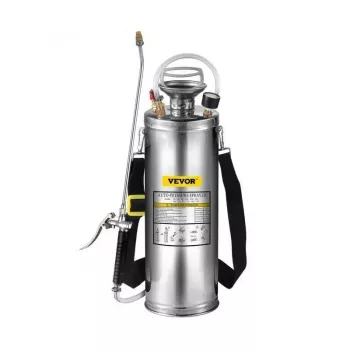
Stainless Steel Hand Pump Garden Sprayer: Durable, Precise Spraying for Yard and Home
A stainless steel hand pump sprayer is a sturdy, chemical-resistant way to apply water, fertilizers, herbicides, and cleaning solutions with controlled pressure and adjustable spray patterns. Unlike battery-powered sprayers, a hand pump model stays ready anytime—no charging, cords, or motors to troubleshoot. What matters most is build quality, comfort, and safety so routine spraying stays consistent and easy season after season.
What a stainless steel hand pump sprayer is best at
For everyday yard and home tasks, stainless steel tanks bring a practical mix of durability and dependable pressure. A hand pump sprayer shines when you need predictable output and fine control in tight spaces.
- Pressurized spraying without batteries or cords for reliable use anywhere in the yard, greenhouse, or garage
- More resistance to dents, UV exposure, and many chemicals compared with basic plastic tanks
- Stable, consistent output for spot treatments (weeds, pests) and evenly coated surfaces (foliar feeding, cleaning)
- Better long-term value when used regularly or with solutions that can stain or degrade plastic over time
Where it fits: common jobs and solution types
A quality sprayer becomes one of those tools that gets used far beyond the garden bed. The key is matching the solution and nozzle pattern to the job, and keeping dedicated sprayers when chemicals are involved.
- Garden care: watering seedlings, foliar feeding, applying diluted fertilizers, and wetting soil in containers
- Plant protection: targeted insecticidal soap or horticultural oil applications (always follow label directions)
- Weed control: spot-treating cracks, fence lines, and edges to reduce overspray waste
- Home and outdoor cleaning: decks, patio furniture, windows (with appropriate cleaning solutions), and pre-rinse applications
- Pet-safe and kid-safe routines: choose clearly labeled sprayers for dedicated use to avoid cross-contamination between chemicals and gentle solutions
When using pesticides or herbicides, the product label is the law. For label basics and terminology, reference the EPA’s pesticide product label resources. For exposure and protective practices, see CDC/NIOSH pesticide safety guidance.
Build features that matter for daily use
Two sprayers can look similar, but everyday performance often comes down to a few components that affect sealing, pumping effort, and spray consistency.
- Tank material and thickness: stainless steel body resists rust and helps prevent odor retention from strong solutions
- Seals and O-rings: chemical compatibility and tight sealing reduce leaks and pressure loss; check for easy replacements
- Pump assembly: smooth pumping action, stable handle, and secure cap threads reduce fatigue and mess
- Nozzle control: adjustable nozzle supports fine mist, fan, or stream for different tasks and drift control
- Pressure release and safety: a reliable pressure relief feature helps depressurize before opening and improves safety during storage
Comfort and control: what makes spraying easier
Even a “simple” hand sprayer can feel dramatically different in use depending on ergonomics. If spraying is a weekly routine, comfort features are not a luxury—they’re what keeps application consistent and reduces spills.
- Ergonomic handle/grip that stays comfortable with repeated pumping and extended trigger use
- A steady base and balanced weight when the tank is full to reduce tipping while pumping
- Wand reach and angle to access dense foliage, undersides of leaves, and tight edges without bending
- Trigger response that supports short bursts for precision and longer sprays for coverage
- Clear fill guidance and wide opening to reduce spills when mixing or refilling
Stainless steel vs. plastic sprayers: practical differences
Plastic sprayers are common and often cost less, but stainless steel models can be a better fit when you spray frequently, store tools outdoors, or use solutions that tend to stain and linger. The best choice is the one that matches how often you use it and what you put inside it.
Quick comparison for everyday use
| Feature | Stainless Steel Tank | Plastic Tank |
|---|---|---|
| Durability | Resists dents and UV wear; long service life | Can crack, discolor, or become brittle over time |
| Odor/stain retention | Often lower with proper cleaning | Can retain odors/stains depending on material |
| Weight | Typically heavier | Typically lighter |
| Best for | Frequent spraying and tougher environments | Occasional light-duty use |
| Upfront cost | Usually higher | Usually lower |
How to use a hand pump sprayer safely and effectively
Good spraying is mostly preparation: mixing correctly, filtering out particles, and choosing a pattern that reduces drift. A few consistent habits also help your sprayer maintain pressure and avoid clogs.
Cleaning, maintenance, and storage habits that extend lifespan
A closer look: Stainless Steel Hand Pump Garden Sprayer
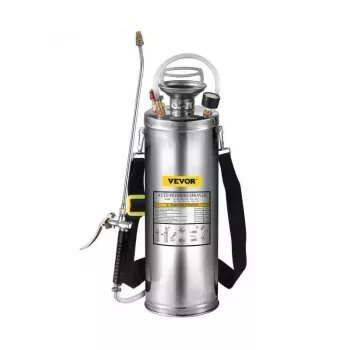
If the goal is consistent pressure and a tank that holds up to regular use, the Stainless Steel Hand Pump Garden Sprayer is a practical, durable upgrade from basic plastic options. It’s designed for repeated yard and home use, supporting controlled application for spot treatments and broader coverage depending on nozzle setting.
More in-stock picks from our store
- 7-in-1 High-Speed Hair Dryer Brush with Ionic Technology
- Calm Your Mind: Guided Meditation Series | Audio Course | Anxiety Relief Meditation
FAQ
Can a stainless steel hand pump sprayer be used for herbicides and fertilizers?
Yes, as long as the product label allows it and the sprayer’s seals are compatible with the solution. For safety, keep separate, clearly labeled sprayers for herbicides versus plant-safe mixes to prevent accidental cross-use.
How do clogs in the nozzle or wand get prevented?
Mix thoroughly, pre-dissolve or strain any mixtures that contain particles, and keep debris out of the tank during filling. After each use, flush clean water through the wand and nozzle so residue doesn’t dry inside.
How should pressure be released before opening the tank?
Use the pressure relief mechanism if your sprayer has one, or follow the manufacturer’s steps to depressurize fully. Never loosen the cap while the tank is pressurized.













Leave a comment