Battle Rope Weight: Find the Right Resistance for You
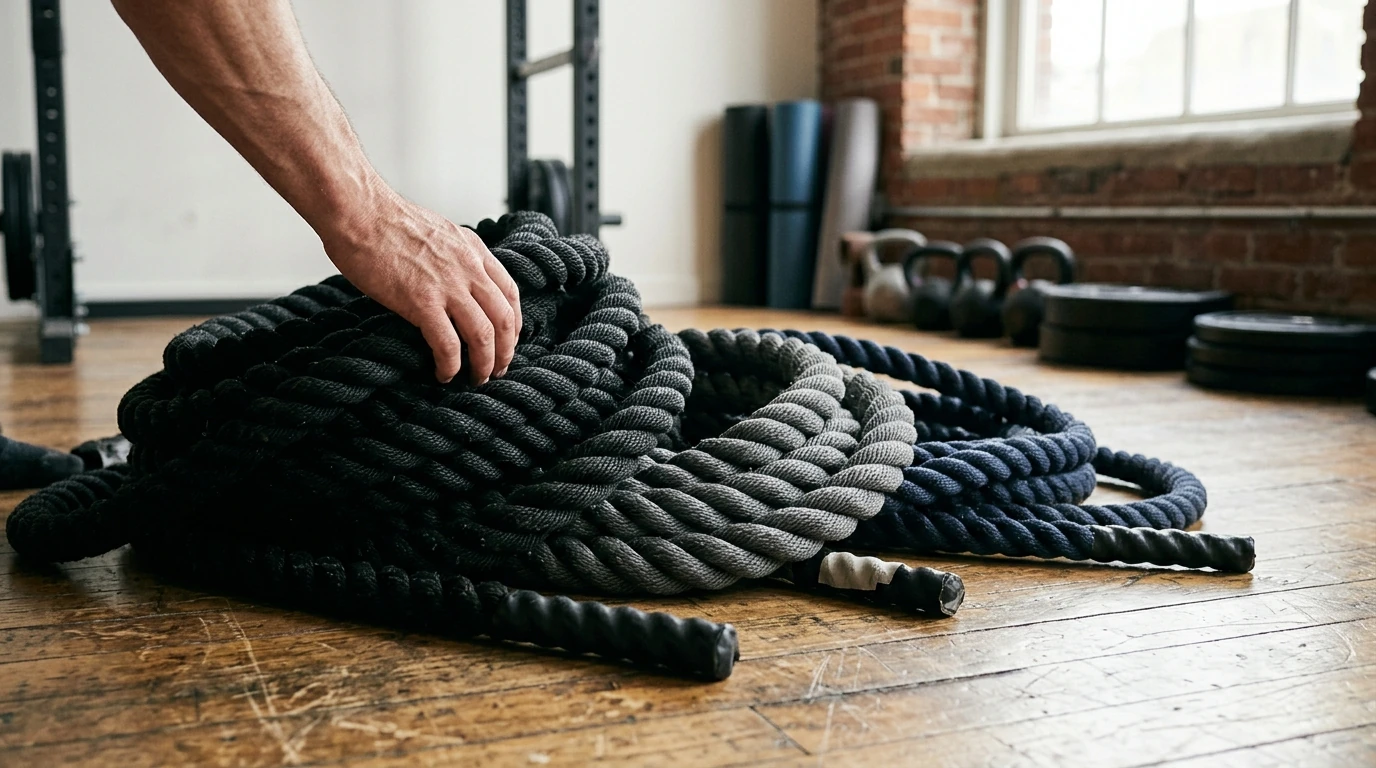
How heavy should battle ropes be?
Choose battle ropes you can move with control through a full interval—not simply the heaviest set you can lift. For many beginners, a 1.5-inch-diameter rope is a manageable starting point. A 2-inch rope usually feels more demanding because it is heavier and harder to grip, so it may suit experienced users who can keep good form.
How rope length and diameter affect weight
Total weight depends on the rope’s material, diameter, and length. A longer rope generally weighs more and creates more resistance as you move it. As a rough shopping reference, a 30-foot rope may weigh around 15–25 pounds, while a 50-foot rope may weigh around 25–40 pounds; actual weights vary by construction. Compare the stated weight and dimensions rather than relying on length alone.
How to tell if a rope is too heavy
During waves, you should be able to maintain a steady rhythm without shrugging your shoulders, leaning excessively, or losing your grip. If the rope’s movement stalls quickly or your technique breaks down, choose a lighter or thinner rope, shorten your work intervals, or slow your pace. If you can keep crisp waves and finish intervals with control, the resistance is likely appropriate for your current training.
Match the rope to your workout and setup
For faster waves and longer conditioning sessions, prioritize a rope that feels manageable over repeated rounds. For short, challenging intervals, a heavier or thicker rope can add resistance—but only if you can control it. Your anchor also needs to be secure and suited to the forces generated during training. Leave enough clear floor space for the rope to move, and keep people and breakable items out of its path.
When to move up in weight
Build consistency before increasing resistance. Once you can complete your planned intervals with steady waves, a secure grip, and sound posture, try a thicker or heavier rope in a short test session. Increase one variable at a time, such as rope thickness or workout duration, so you can judge how your body responds.
For more on choosing a rope, securing an anchor, and caring for your equipment, read our battle rope setup and care guide.
FAQ
How long should battle ropes be for home workouts?
A 30-foot rope can work well when you have limited training space, while longer ropes generally need more room and may create more resistance. Measure your available area and allow clear space along the rope’s full path before choosing.













Leave a comment