Best Earbud Driver Size: 8mm–12mm (10mm Sweet Spot)

How many mm driver is good for earbuds?
A “good” earbud driver size is usually between 8mm and 12mm, with 10mm being a popular sweet spot for balanced bass and clarity. Driver size alone doesn’t guarantee great sound, but it does influence how easily an earbud can move air—especially in the low end.
What different driver sizes tend to sound like
As a general rule, smaller drivers (around 6–8mm) can sound tight and detailed, but they may struggle to deliver deep bass without distortion at higher volumes. Mid-size drivers (8–12mm) often offer the best all-around tuning potential: enough diaphragm area for satisfying bass while still keeping vocals and treble clean. Larger drivers (13–15mm and up) can produce big, full lows, but they can also sound less controlled if the tuning and housing design aren’t excellent.
Why 10mm is a common “safe pick”
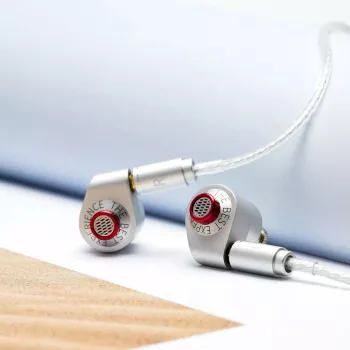
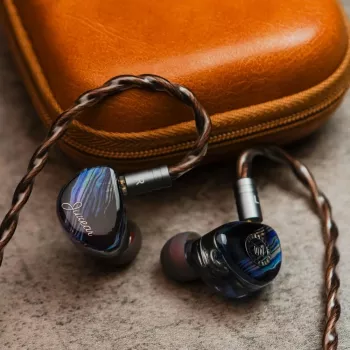
Many well-regarded wired earbuds and IEM-style designs use 10mm drivers because they can deliver punchy bass without overwhelming mids, and they typically maintain good efficiency for phones and portable DACs. If you want a deeper dive into what a 10mm setup can do—especially for wired clarity and low-end authority—see this guide: 10mm MMCX HiFi IEMs for Android: Wired Clarity & Bass.
Driver size matters less than these factors
Two earbuds with the same driver diameter can sound completely different. Tuning (frequency response), the earbud/IEM housing, nozzle and venting, eartip seal, and driver quality (magnet strength, diaphragm material, and distortion control) often matter more than the number on the spec sheet.
Quick recommendation by preference
If you want balanced everyday sound, look for 9–11mm. If you prioritize bass impact, 10–12mm is a solid target—then confirm with reviews or measurements. If you prefer a lighter, more vocal-forward sound, 8–10mm can work well, especially with a good seal.
FAQ
Do bigger drivers always mean better bass?
No. Bigger drivers can move more air, but bass quality depends heavily on tuning, enclosure design, venting, and having a proper ear seal.













Leave a comment