Full-Over-Full Bunk Bed Weight Limit: Safe Capacity Guide
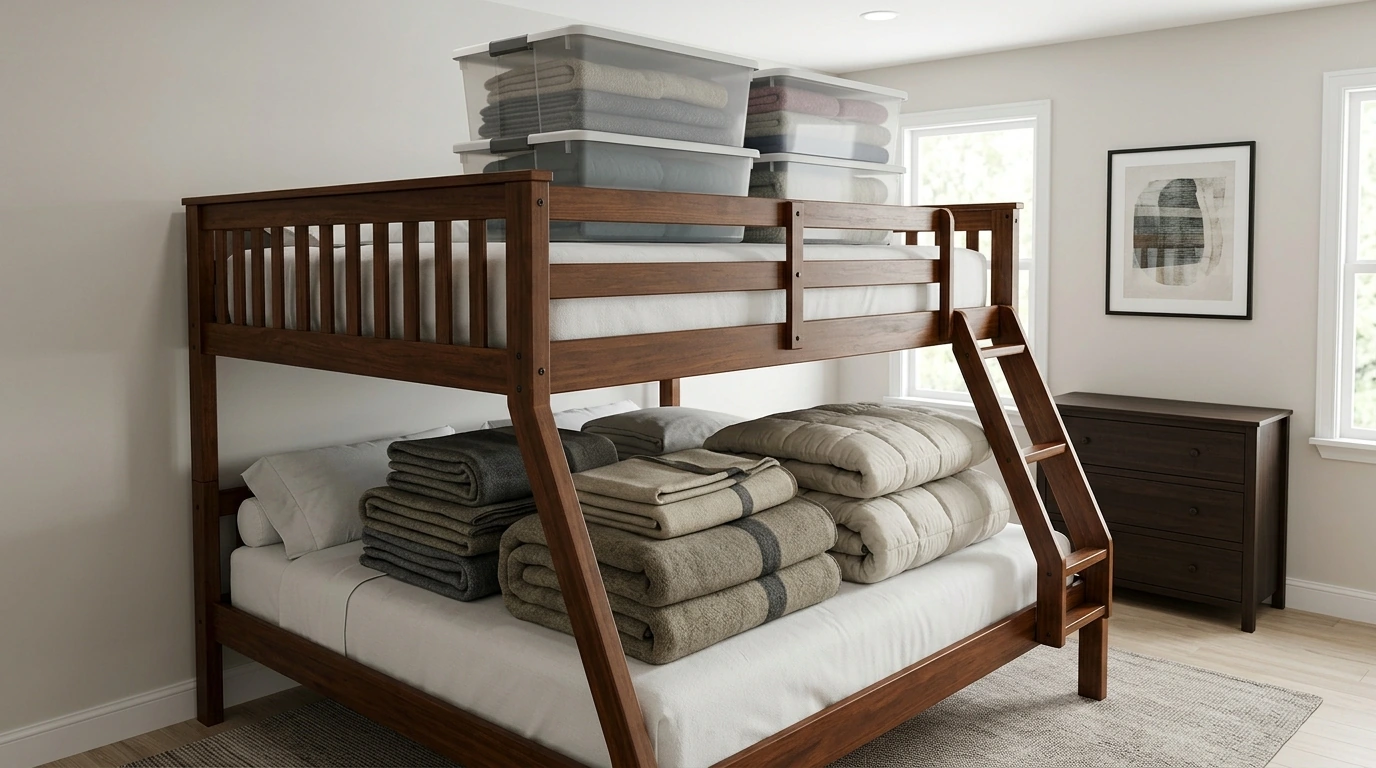
How much weight can a full over full bunk bed safely support per bed?
A full-over-full bunk bed’s safe weight limit per bed depends on the specific model, materials, and construction, but many well-built designs commonly fall in the 200–400 lb range per sleeping surface. Some heavy-duty options may be higher, while lighter-duty frames (or beds with thinner slats and lighter hardware) can be lower.
The only number that truly counts is the manufacturer’s rated capacity for the exact bed you own or plan to buy. That rating is usually based on how the frame, slats, fasteners, and joints perform under load, and it may also differ between the top bunk and the bottom bunk. If a listing shows a single “weight capacity,” confirm whether it’s per bed or total for the entire bunk.
What’s included in “weight”?
Weight capacity typically refers to the person plus bedding, but it’s smart to treat it as the total load on that bunk: sleeper(s), mattress, topper, blankets, and even the occasional pet. Also note that jumping or roughhousing can create dynamic forces that effectively exceed the rating, even if the scale weight is under the limit.
How to keep it safe day to day
Choose the right mattress thickness so guardrails still provide adequate protection, tighten bolts periodically, and make sure the bed sits level with all legs firmly on the floor. If the bunk includes stairs, a slide, or storage features, follow the assembly steps exactly and avoid modifying the frame, since changes can reduce structural strength.
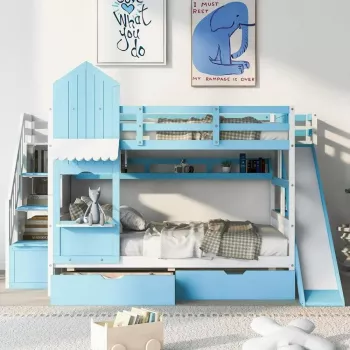
For a closer look at a full-over-full bunk bed style with kid-focused features (like stairs, storage, and slide options), see the main guide here: https://gertrudo.com/guide-castle-full-over-full-kids-bunk-bed-slide-stairs-storage-drawers/.
FAQ
Does a full-over-full bunk bed work for adults?
Yes, as long as the manufacturer’s weight rating per bed supports the adult sleeper(s) plus the mattress and bedding. Adults should also ensure adequate headroom on the top bunk and use the recommended ladder or stairs to minimize stress on the frame.














Leave a comment