Synthetic Leather Bags: Pros, Cons & Durability Tips
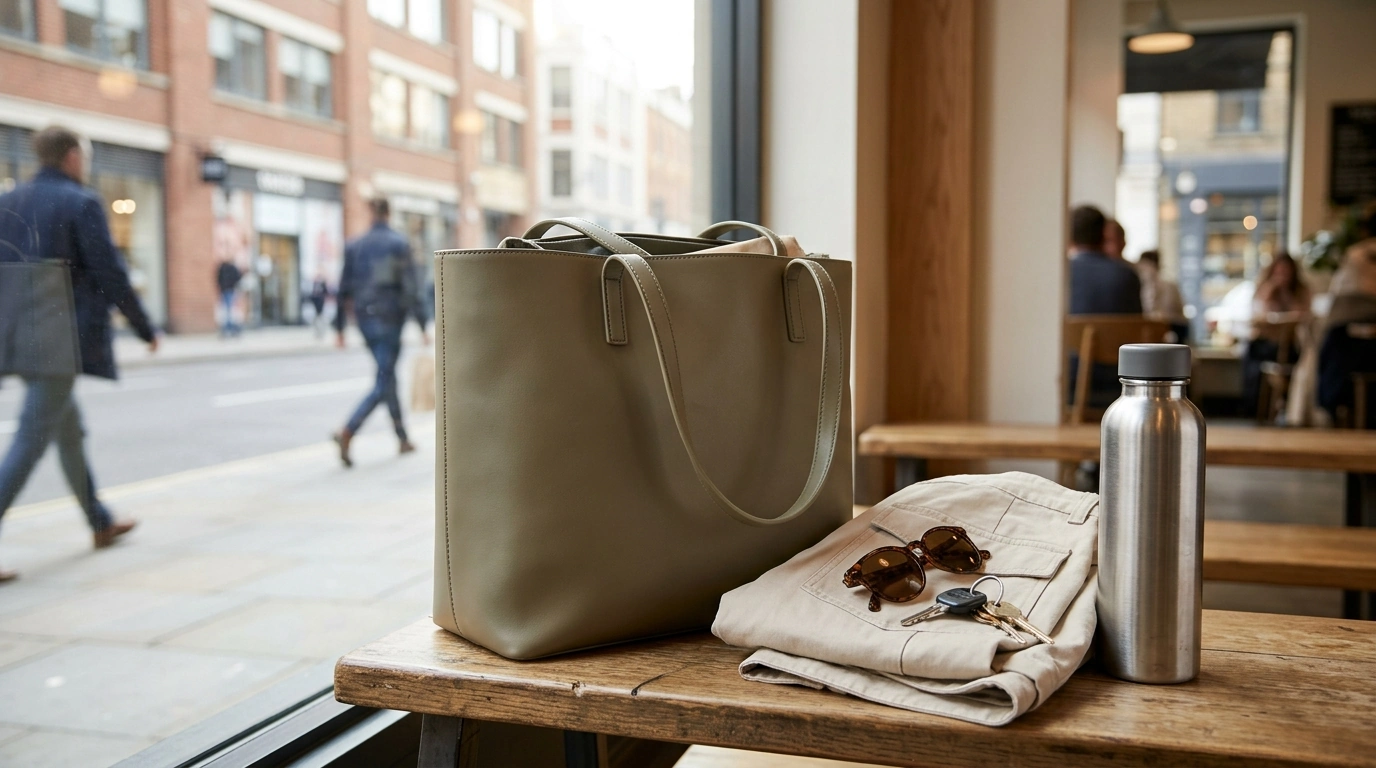
Is synthetic leather good for bags?
Synthetic leather can be a very good choice for bags, especially if you want a polished look without the upkeep and cost of full-grain leather. Many modern faux and vegan leathers are designed to mimic the texture and structure of real leather while staying lightweight and easy to clean, which makes them practical for everyday totes, shoulder bags, and work styles.
Where synthetic leather shines most is convenience. It typically wipes clean with a damp cloth, handles minor scuffs better than many delicate finishes, and doesn’t require conditioning. For bags that get used daily—commuting, errands, travel—those low-maintenance benefits add up.
Durability depends on the material quality and construction. Higher-quality PU (polyurethane) synthetic leather generally performs better than cheaper PVC options, with a softer hand feel and less chance of cracking when flexed. Pay attention to stitching, edge finishing, strap attachment points, and lining quality—those details often determine how long a bag lasts more than the outer material alone.
Comfort and function are also strong points. Synthetic leather bags can be lighter than comparable leather bags, and the material can be engineered to hold its shape well for structured silhouettes. If you like a bag that looks crisp and put-together, synthetic leather can deliver that without feeling heavy on the shoulder.
One trade-off is aging. Real leather often develops a patina and can be restored over time; synthetic leather won’t patina the same way, and once it peels or cracks, repairs are limited. That’s why it’s smart to choose a reputable product and avoid exposing the bag to excessive heat, direct sun for long stretches, or harsh cleaners.
For a deeper look at materials, pros/cons, and how to pick a casual tote or shoulder bag in synthetic leather, visit this guide to synthetic leather tote and shoulder bags.
FAQ
How do you clean a synthetic leather bag?
Wipe it with a soft, damp cloth and a small amount of mild soap if needed, then dry with a clean towel. Avoid abrasive sponges, alcohol-based products, and soaking the material.













Leave a comment