Condenser Mic Drawbacks: Noise, Sibilance, Setup
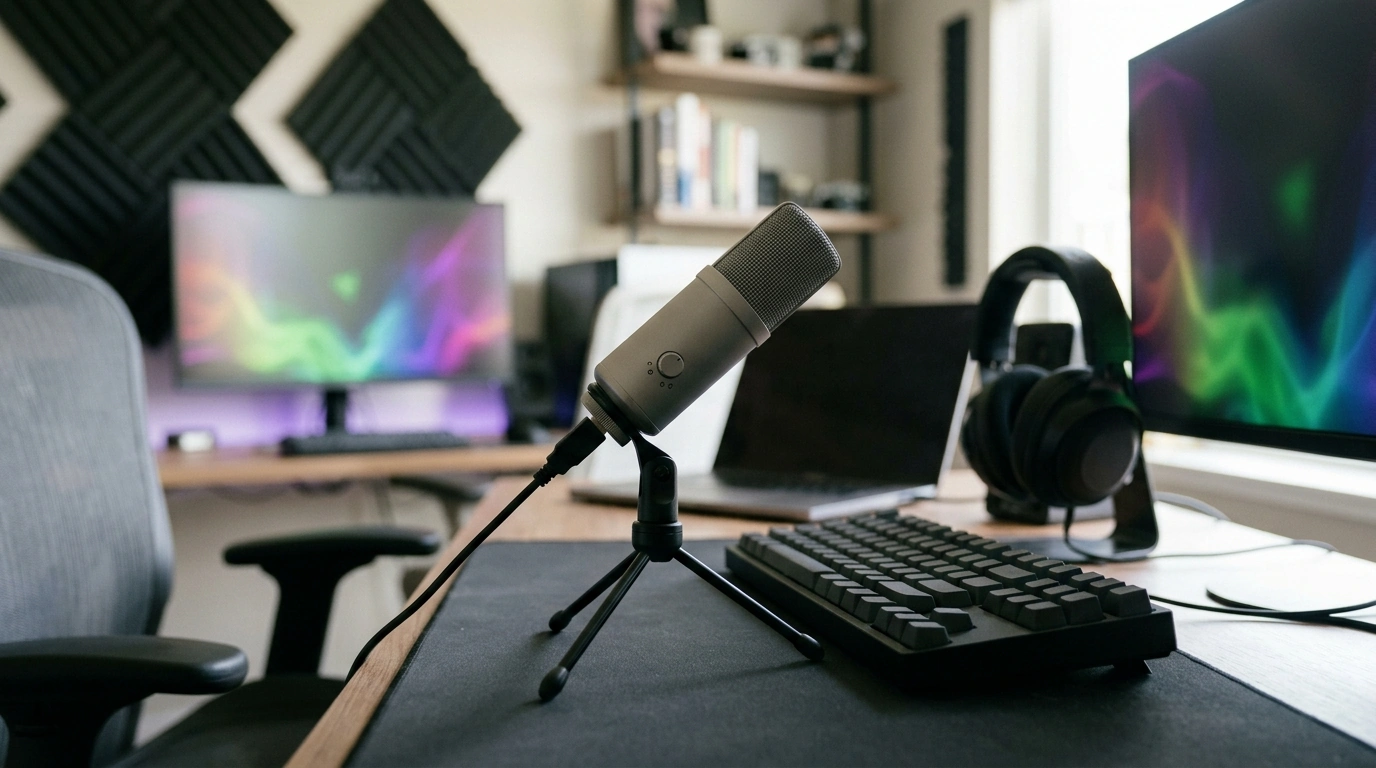
What are the disadvantages of using a condenser microphone?
Condenser microphones are popular for streaming, podcasting, and voiceover work because they capture detail and clarity. That same sensitivity, however, can create a few real-world drawbacks depending on your room, setup, and recording habits.
They pick up more background noise
Compared with many dynamic mics, condenser mics tend to capture more of everything: keyboard clicks, PC fans, HVAC hum, street noise, and room reflections. In an untreated space, that extra detail can translate into a “roomy” sound that’s harder to clean up later.
They can emphasize harshness and sibilance
Because condensers often have a brighter, more revealing top end, “S” sounds and sharp consonants can become more noticeable—especially close up. Many users end up needing a pop filter, careful mic placement (slightly off-axis), and possibly a de-esser in software.
They’re less forgiving with placement and technique
Small changes in distance, angle, or posture can noticeably change the tone and volume. If you move around while talking or gaming, a condenser may make those shifts more obvious, leading to inconsistent levels without compression or gain riding.
They may require power and the right connections
XLR condenser microphones typically require 48V phantom power from an audio interface or mixer. USB condenser mics don’t need phantom power, but they still rely on proper gain staging and can be more limited when upgrading parts of your signal chain.
They can be more sensitive to plosives and vibrations
Breath pops (“P” and “B” sounds), desk bumps, and cable movement can come through strongly. A shock mount, sturdy stand or boom arm, and good mic technique often become essential accessories.
If you’re comparing pickup patterns, USB convenience, and practical setup tips for recording, see the full guide here: https://gertrudo.com/guide-3-pattern-usb-condenser-mic-gaming-streaming-podcasting/.
FAQ
Do condenser microphones need phantom power?
XLR condenser mics usually require 48V phantom power from an interface or mixer, while most USB condenser mics do not because the power is handled internally through USB.













Leave a comment