Pro Musicians’ In-Ear Monitors: What They Use & Why
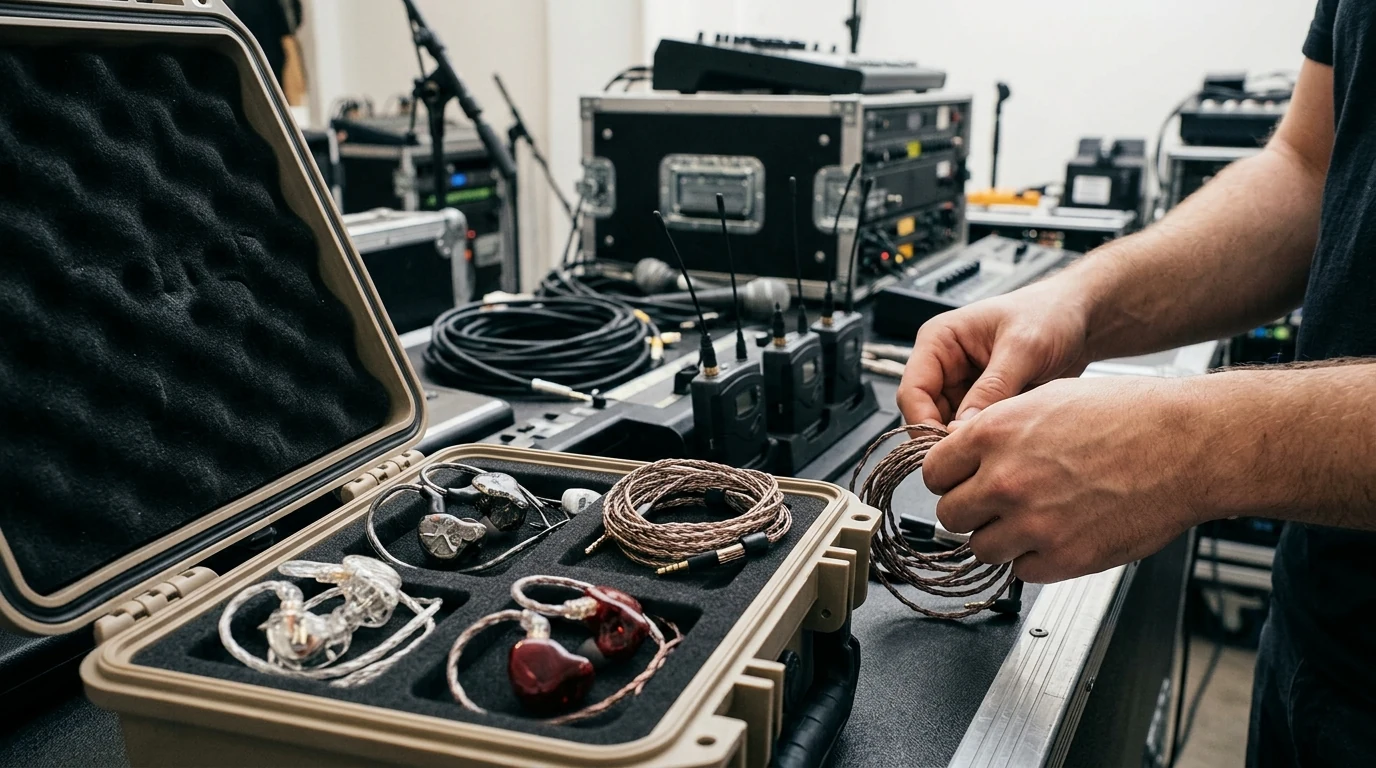
What in-ear monitors do professional musicians use?
Professional musicians use in-ear monitors (IEMs) that deliver reliable fit, consistent isolation, and stage-ready tuning that stays clear at high volumes. On tour and in studio sessions, the most common choices are custom-molded IEMs for comfort during long sets, plus a growing number of high-performance universal IEMs for flexibility and quick replacement.
Many pros lean toward multi-driver balanced armature designs for detailed vocals and instrument separation, especially when working with dense mixes. Others prefer dynamic-driver or hybrid IEMs for a more natural low end and punch—useful for drummers, bassists, and performers who want physical impact without pushing the overall level dangerously high.
What features matter most to pros?
First is isolation. A good seal reduces stage bleed so performers can monitor at safer volumes and hear cues clearly. Second is durability: reinforced cables, dependable connectors (often MMCX or 2-pin), and housings that can handle nightly use. Third is tuning that matches the job—some performers want a flatter, reference-style sound for accuracy, while others request a tailored curve emphasizing vocals, click track, or bass.
Do professionals always use custom IEMs?
Not always. Custom IEMs are common for touring acts because they lock in fit and comfort, but universal-fit IEMs are widely used for rehearsals, session work, worship stages, and as backups. High-quality universal IEMs with the right ear tips can offer excellent isolation and a stable fit—especially when paired with over-ear cable routing.
How to choose a “pro-style” IEM without the pro price
Focus on fundamentals: a secure fit, a tuning that supports your role, and a connector/cable setup that’s easy to replace. If you want a practical starting point—especially for wired clarity on Android and a punchy yet controlled presentation—see the guide here: 10mm MMCX HiFi IEMs for Android: Wired Clarity & Bass.
FAQ
Are in-ear monitors worth it for live performances?
Yes—good IEMs improve clarity, reduce stage noise, and help performers monitor at lower, safer volumes. They also make cues like click tracks and backing tracks more dependable.













Leave a comment