Best Smart Vacuum Mop: What to Look For at Home
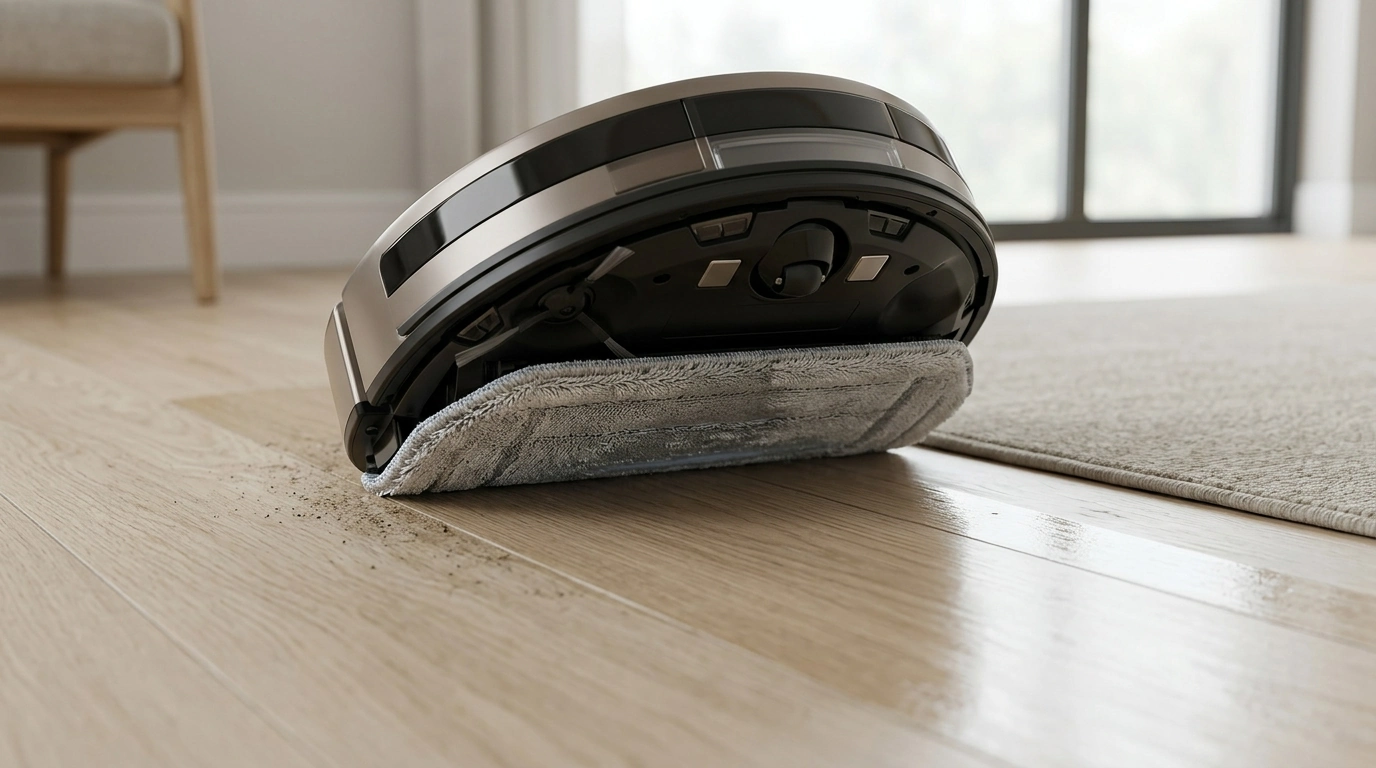
What is the best smart vacuum mop?
The best smart vacuum mop is the one that can vacuum and wash in a single pass while handling everyday messes with minimal hands-on work. Look for a model that combines strong suction, consistent water flow, and a self-cleaning (or easy-clean) brush system, since wet debris and hair are what usually make “two-in-one” cleaners frustrating over time. A well-designed smart vacuum mop should also be comfortable to maneuver, have enough runtime for your typical cleaning area, and include practical safeguards like edge cleaning performance and streak-free drying.
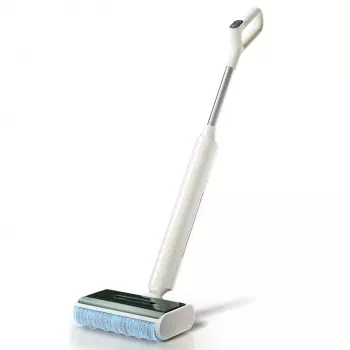
For most homes with hard floors, a smart cordless wet/dry vacuum mop tends to outperform traditional robot mops when it comes to sticky spills, kitchen crumbs, and quick post-meal cleanup. The biggest advantages come from real-time pickup (no pre-sweeping), controlled wet mopping (not just dragging a damp pad), and maintenance features that keep odors and gunk from building up in the roller.
How to choose the right smart vacuum mop for your home
Floor type and mess level: If you regularly deal with dried-on spots, choose a model known for scrubbing pressure and stable water delivery. For lighter maintenance, prioritize fast setup and easy tank refills.
Hair and debris handling: Homes with long hair or shedding pets benefit from anti-tangle brush designs and simple roller removal.
Cleaning and storage: A docking/charging base that supports self-cleaning and drying can reduce smells and daily hassle, especially if you clean frequently.
Runtime and tank size: Larger spaces need longer battery life and bigger clean/dirty water tanks to avoid mid-clean interruptions.
For a deeper breakdown of what matters—features, trade-offs, and what to check before buying—see the full guide here: smart cordless wet/dry vacuum mop guide.
FAQ
Can a smart vacuum mop replace a regular mop?
For routine maintenance on sealed hard floors, it often can. For heavy grime, grout deep-cleaning, or floors that require specific cleaners, a traditional mop may still be useful occasionally.













Leave a comment