BJD Doll Full Form: Meaning, Features & FAQ
What is the full form of BJD doll?
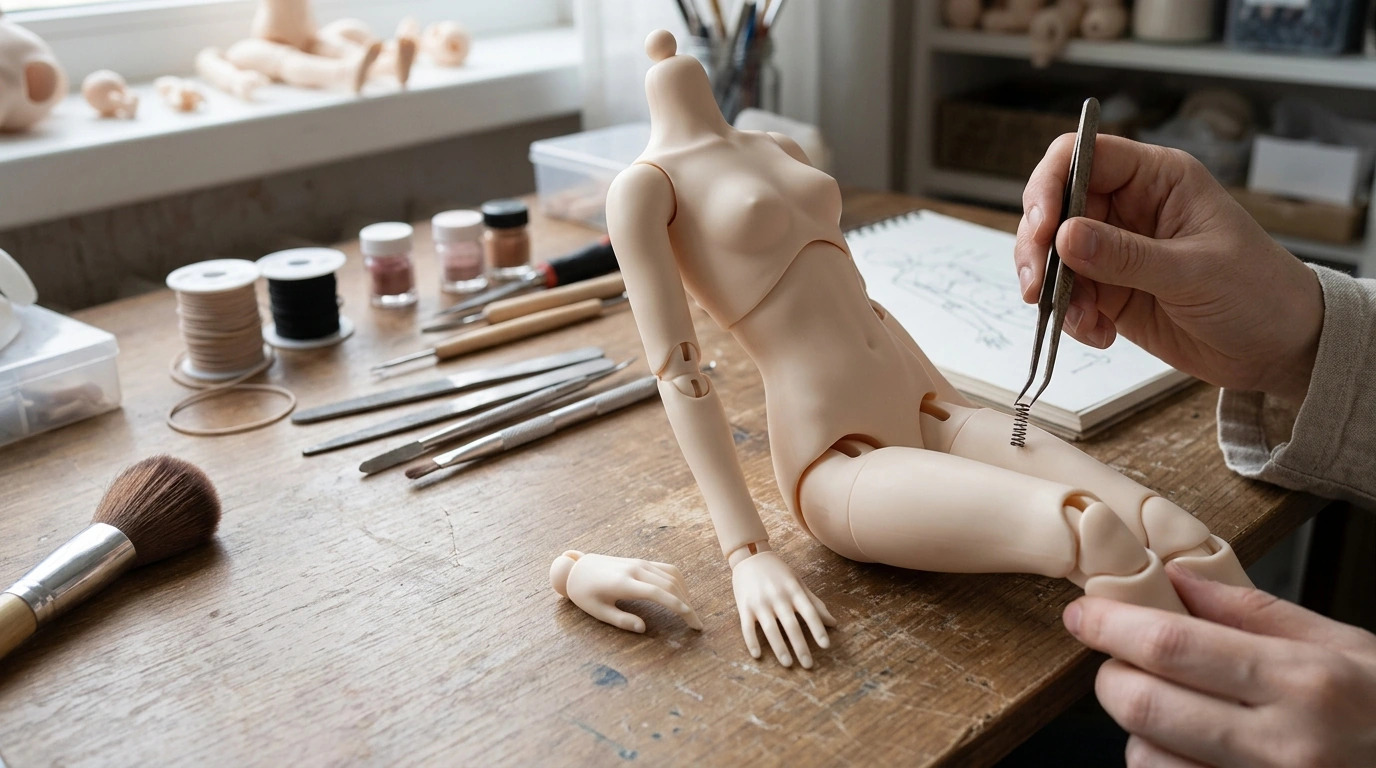
The full form of BJD doll is Ball-Jointed Doll. A BJD is a poseable doll built with a system of rounded joints—most commonly at the neck, shoulders, elbows, wrists, chest, hips, knees, and ankles—so it can hold a wide range of natural-looking positions.
In the collector and hobby world, “BJD” often also implies a specific style of doll: highly customizable, typically strung with elastic inside the body, and designed for swapping parts like eyes, wigs, hands, and outfits. Many BJDs come in different sizes (such as 1/3, 1/4, and 1/6 scale), with 1/4 scale being a popular “mid-size” option that balances display presence with easier handling and wardrobe costs.
What makes a BJD different from other dolls?
The defining feature is the ball-and-socket joint structure that enables smooth posing and expressive stances. Beyond posing, BJDs are known for their “mod-friendly” design: removable headcaps, interchangeable eyes, and styling options that make it easy to personalize a character. Materials can vary, but resin BJDs are especially common because they capture fine sculpt details and have a distinctive, collectible feel.
Is “BJD” the same as “fashion doll”?
Not exactly. Fashion dolls are usually mass-produced with standardized sizing and fixed styling, while BJDs tend to be collector-focused, more customizable, and engineered for poseability and parts swapping. That said, both can be styled and dressed—BJDs simply lean harder into customization and articulation.
For a practical look at how a 1/4 scale fullset BJD arrives, fits clothing, and stays in good condition, visit the guide here: https://gertrudo.com/guide-faina-1-4-scale-bjd-fullset-unboxing-fit-care-tips/.
For BJD Doll Full Form: Meaning, Features & FAQ, the best answer depends on fit, material, care instructions, and how the product will be used day to day.
FAQ
What does “fullset” mean for a BJD?
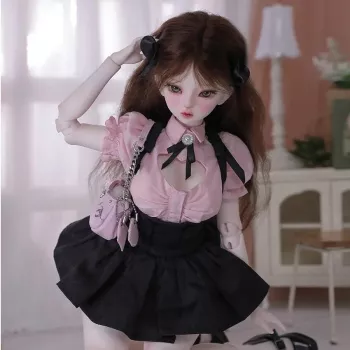
A fullset BJD typically includes the doll plus coordinated items like a wig, eyes, outfit, and sometimes shoes, accessories, and a face-up (painted makeup). It’s meant to arrive as a ready-to-display character look.











Leave a comment