Brands That Use Faux Leather: How to Spot PU & Vegan
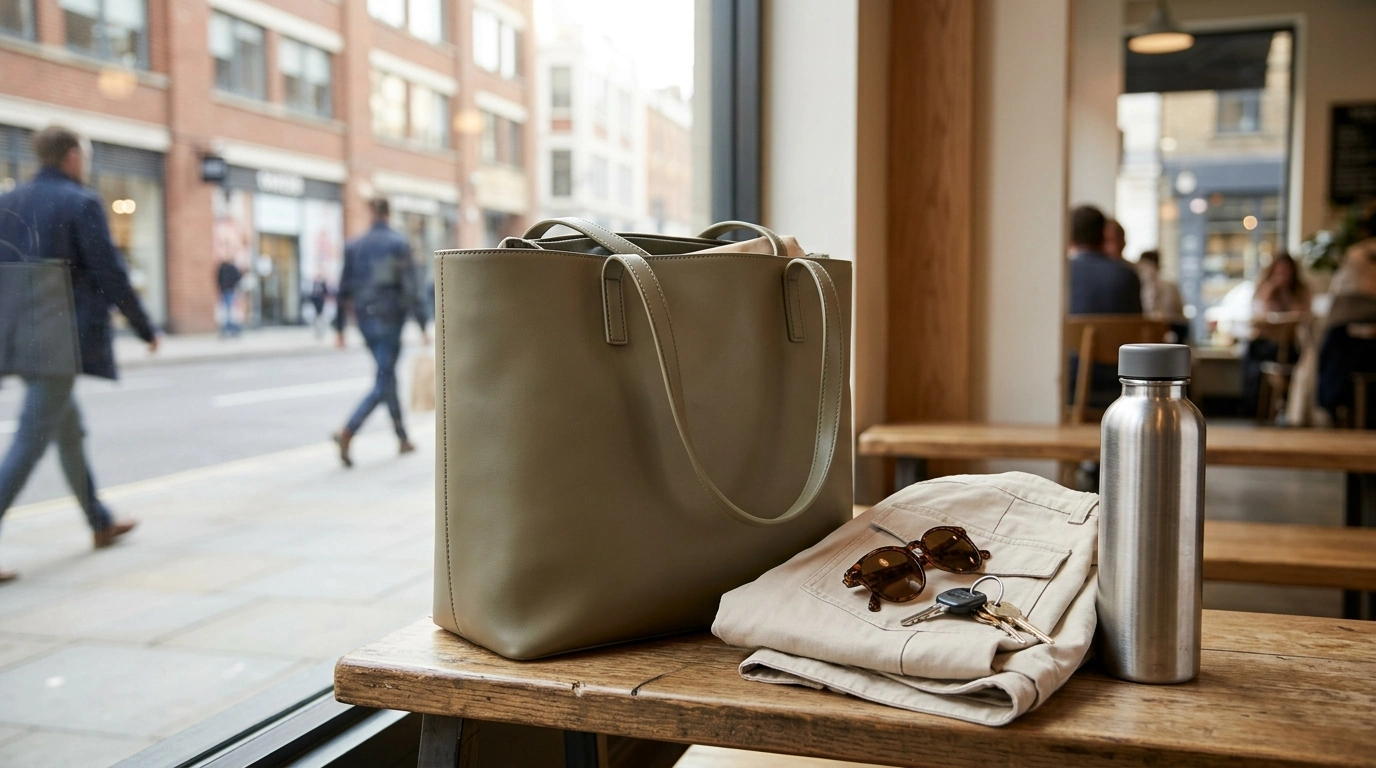
Which brands use faux leather?
Faux leather (also called synthetic leather, vegan leather, PU leather, or microfiber leather) shows up across a wide range of brands—everything from fast-fashion accessories to premium “vegan” lines and performance-focused bags. Instead of listing a single definitive roster (brand materials can vary by season and even by colorway), it helps to look at the types of brands most likely to use faux leather and how they label it.
Fashion and accessory brands with synthetic options
Many mainstream handbag and accessory brands regularly offer faux-leather pieces, especially in trend-driven collections. Product pages often call it “PU,” “polyurethane,” “synthetic,” or “man-made materials.” If a brand sells large seasonal drops, faux leather is common because it keeps costs predictable and makes it easier to create a consistent look across a collection.
“Vegan leather” brands and capsule collections
Some brands actively market “vegan leather” bags and wallets, which typically means a polyurethane-based material or a microfiber leather alternative. These brands may highlight animal-free materials, lower maintenance, and uniform texture. Even when a brand is known for leather, it may still release vegan capsules—so it’s worth checking the specific item details rather than relying on the brand’s general reputation.
Outdoor, travel, and work bag brands
In travel and commuter categories, faux leather is often used for trim, handles, or panels to balance structure and weight. You’ll frequently see it paired with nylon or polyester shells. Look for terms like “coated fabric,” “PU coating,” “synthetic trim,” or “vegan leather accents.”
How to confirm a brand uses faux leather
The fastest check is the materials section: “polyurethane,” “PU,” “PVC,” “microfiber,” or “synthetic leather.” If the listing just says “vegan leather,” scan for a composition breakdown. For a deeper look at types, pros/cons, and care, see the full guide here: synthetic leather guide for casual tote and shoulder bags.
FAQ
Is faux leather durable for everyday bags?
It can be, especially higher-quality PU or microfiber versions with reinforced stitching. Longevity depends on thickness, coating quality, and how the bag is stored and cleaned.











Leave a comment