Self-Cleaning Litter Boxes: Are They Worth It?
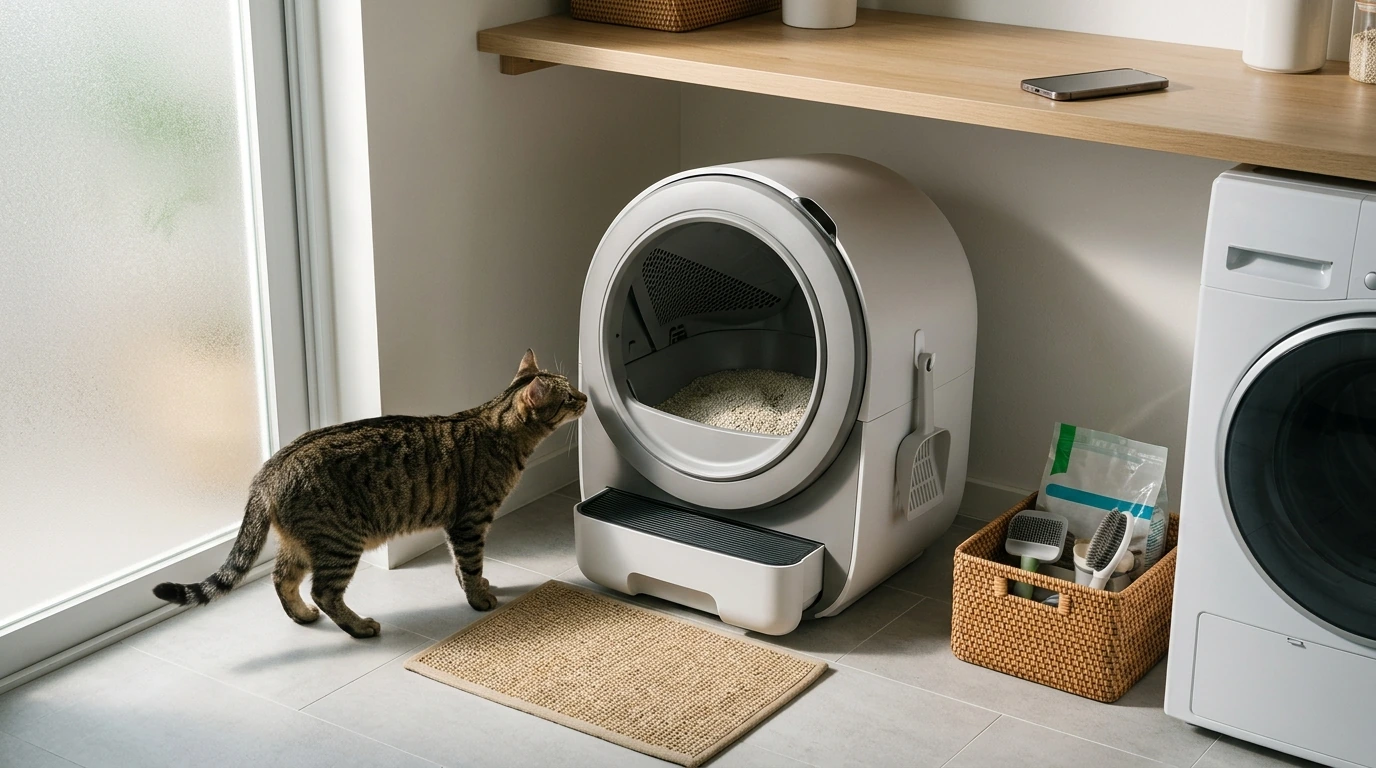
Are automatic self-cleaning litter boxes worth it?
For many cat households, automatic self-cleaning litter boxes are worth it because they cut down on daily scooping, keep the box cleaner between full litter changes, and can noticeably reduce odor when paired with good clumping litter and regular waste-bin emptying. They’re especially helpful for busy schedules, multi-cat homes, and anyone sensitive to litter smells.
What you gain
The biggest payoff is time and consistency. A box that cycles after each use removes waste before it sits and stinks, which can make the litter area feel fresher and encourage picky cats to keep using the box. Some app-controlled models also track usage patterns, which can help spot changes that may warrant a vet check.
What it costs (beyond the price tag)
Self-cleaning units typically require more upkeep than people expect: emptying the waste drawer, wiping sensors, cleaning the rake or rotating globe, and occasionally deep-cleaning the interior. You’ll also need compatible liners or waste bags for many models, and some units are louder than a standard box—something skittish cats may dislike.
When they’re not worth it
If your cat is easily startled, has mobility issues, or prefers a large open box, an automatic unit can be a poor fit. They can also be frustrating in very small spaces if the footprint is bulky, or if power/placement options are limited. For a single cat with a simple routine, a high-quality standard box scooped daily can be just as effective and far cheaper.
How to decide quickly
Look at the tradeoff between time saved and ongoing maintenance, then prioritize odor control and cat comfort. For a deeper breakdown of app-controlled options, low-odor tips, and practical setup advice, see this guide to app-controlled self-cleaning litter boxes and low-odor use.
FAQ
How do you reduce litter box odor without an automatic box?
Scoop at least once daily, use a truly clumping litter, wash the box regularly with mild soap, and keep the box in a well-ventilated spot. Adding a tight-fitting mat and replacing litter on schedule also helps prevent lingering smells.













Leave a comment