Checkered Plush Area Rug: Placement, Styling & Care
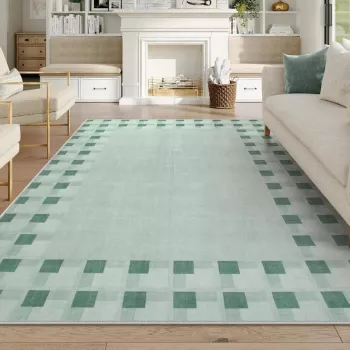
Checkered Plush Area Rug: Soft Texture, Bold Pattern, Everyday Comfort
A plush checkered rug adds instant structure to a room while keeping the underfoot feel cozy and inviting. The grid-like pattern brings order to open layouts, while the cushy pile makes spaces more livable—especially where you lounge, read, or step out of bed each morning. Below are practical ways to place it, style it across interiors, avoid common layout mistakes, and keep the pile looking full over time.
What Makes a Checkered Plush Rug Work in Real Rooms
Checkered patterns are naturally “architectural,” which is why they’re so effective at grounding a space. The clear visual grid helps anchor furniture groupings—especially in rooms where walls don’t create obvious boundaries.
What changes the feel is the plush pile. A soft, thicker texture takes the edge off the geometry, so the pattern reads bold without feeling harsh. In minimalist rooms, it can be the statement; in eclectic spaces, it can act like a unifier that brings busy décor into one visual rhythm. It’s also a clean way to define zones (sofa area, reading nook, bedside) without adding extra partitions or clutter.
Best Places to Use It (and Where to Be Cautious)
Living room
For the most pulled-together look, place the rug so the front legs of the sofa and accent chairs sit on it. This visually connects seating into one “conversation area” and keeps the checkered pattern reading intentional rather than random.
Bedroom
Position a checkered plush rug under the lower two-thirds of the bed to create balanced proportions. You’ll get a soft landing where feet naturally hit the floor, while the pattern frames the bed without swallowing the whole room.
Home office
Plush helps reduce echo and adds comfort if you stand at a desk, shift around a lot, or prefer a warmer surface than bare flooring. If you use a rolling chair, consider whether the pile height will slow movement.
Entryway (use caution)
Only use plush in an entryway if the space stays dry and relatively low-mess. Grit and sand can get trapped in thicker fibers and act like abrasion over time. A doormat strategy helps: keep a tougher mat outside and reserve plush for a secondary, cleaner zone indoors.
Dining area (usually not ideal)
Plush pile can make chair legs drag and catch, which becomes annoying quickly. Dining spaces typically do better with a lower pile that’s easier to move on and simpler to clean after crumbs.
Styling Ideas: Color, Pattern Mixing, and Furniture Pairings
A checkered plush rug already brings strong movement, so the easiest styling win is to calm the surrounding textiles. Solid throws, low-contrast pillows, and simple curtains let the rug lead without the room feeling “busy.”
If you want a balanced look, pair the grid with curved silhouettes—think a round coffee table, a softly arched floor lamp, or a curved-back chair. Curves counter the straight lines and make the pattern feel more relaxed.
For a modern, edited vibe, echo the check once and stop: a subtle checked artwork, a small accent pillow, or a single decorative box is enough. Repeating it too many times can create visual noise.
Material choices steer the mood. Warm woods, creamy neutrals, and textured knits pull the rug toward cozy. Black accents, chrome, and sharper-lined furniture make the check feel crisp and contemporary. If the room already has stripes or florals, keep scale in mind—combine one large-scale pattern with one small-scale pattern so they don’t compete at the same visual volume.
Sizing and Placement Rules That Prevent “Floating Rug” Syndrome
A rug that’s too small can make furniture look disconnected, like it’s hovering. The fix is less about filling empty floor and more about supporting the furniture footprint.
Living room placement
Bedroom placement
Small spaces
Everyday Care: Keeping Plush Pile Looking Full
When spills happen, blot—don’t rub—so you don’t push the mess deeper into the fibers. Use a mild cleaning solution as needed, and let the rug dry fully to avoid lingering odors or moisture problems. For general guidance on rug care routines, the Carpet and Rug Institute is a reliable reference. If moisture ever becomes a concern, the U.S. Environmental Protection Agency outlines safe cleanup steps to prevent mold issues.
Quick Care Checklist for Plush Area Rugs
| Situation | What to Do | What to Avoid |
|---|---|---|
| Weekly maintenance | Vacuum with appropriate height setting; empty canister/bag | Over-aggressive beater bar use if it snags or fuzzes fibers |
| Spills | Blot immediately; use mild soap and water; air dry thoroughly | Rubbing the stain deeper; soaking the backing |
| Flattened pile | Brush gently with a soft brush; rotate rug to redistribute traffic | High heat tools that can damage synthetic fibers |
| Slipping or bunching | Add a quality rug pad sized slightly smaller than the rug | Using tape that can leave residue on floors |
A Soft Statement Piece to Consider
Shop In-Stock Picks
- Checkered Plush Area Rug.
- 7-in-1 High-Speed Hair Dryer Brush with Ionic Technology
- Calm Your Mind: Guided Meditation Series | Audio Course | Anxiety Relief Meditation
FAQ
Can a plush rug work in a high-traffic living room?
Yes. Keep up with routine vacuuming, rotate the rug to spread wear, and use a rug pad to reduce shifting and pile compression, especially in the main walking path.
How do you clean a plush area rug after a spill?
Blot immediately, then use a mild soap-and-water solution if needed while avoiding oversaturating the backing. Let it dry completely, and spot test any cleaner in an inconspicuous area first.
Do rug pads matter for plush rugs?
Yes. Rug pads improve grip, add cushioning, protect flooring, and reduce friction-related wear that can prematurely flatten plush pile.










Leave a comment