Split Leather Quality: When It’s Worth Buying
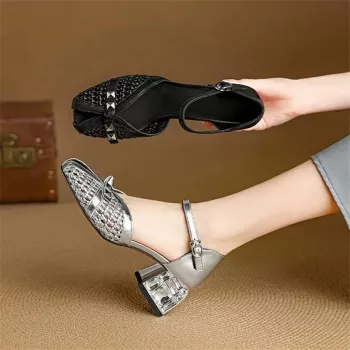
Is split leather good quality?
Split leather can be good quality, but it depends on how it’s finished and where it’s used. Split leather comes from the lower layers of a hide after the top “full-grain” layer is separated. On its own, it’s softer and more flexible but typically less durable and less naturally water-resistant than full-grain leather.
Quality split leather is often treated with a protective coating or embossed finish to improve abrasion resistance and provide a more uniform look. That’s why it shows up in many everyday accessories and fashion items, including footwear details, linings, and straps—places where comfort and appearance matter as much as long-term ruggedness.
When split leather is a smart choice
Split leather performs well for occasional-to-regular wear when it’s properly finished, stitched, and reinforced. In shoes and sandals, it can feel comfortable against the skin and help keep the overall product lighter. It’s also typically more affordable than full-grain leather, which can be a plus when the design or trend factor matters more than maximizing decades of wear.
When it may feel “lower quality”
Because it lacks the dense fiber structure of the outer hide, split leather may scuff faster, dry out sooner if neglected, and show wear in high-friction areas (like toe zones, edges, or spots that repeatedly bend). If the surface coating is thin or low-grade, it can peel or crack over time—especially with frequent exposure to heat, sweat, or moisture.
How to spot better split leather
Look for clean, even finishing; neat stitching; stable edges; and a lining or construction that supports stress points. A slight leather scent is normal, but overly plasticky shine can signal a heavy coating. For care, gentle cleaning and occasional conditioning (when appropriate for the finish) help reduce drying and premature cracking.
For a deeper, product-focused breakdown, see the complete guide here: https://gertrudo.com/guide-split-leather-rivet-high-heel-summer-sandals/.
FAQ
How do you care for split leather sandals?
Wipe off dust with a soft cloth, avoid soaking, and let them air-dry away from direct heat. Use only cleaners/conditioners that match the sandal’s finish, and store them in a cool, dry place to help prevent cracking or peeling.













Leave a comment