Waterproof Sleeping Bags: What Campers Need to Know
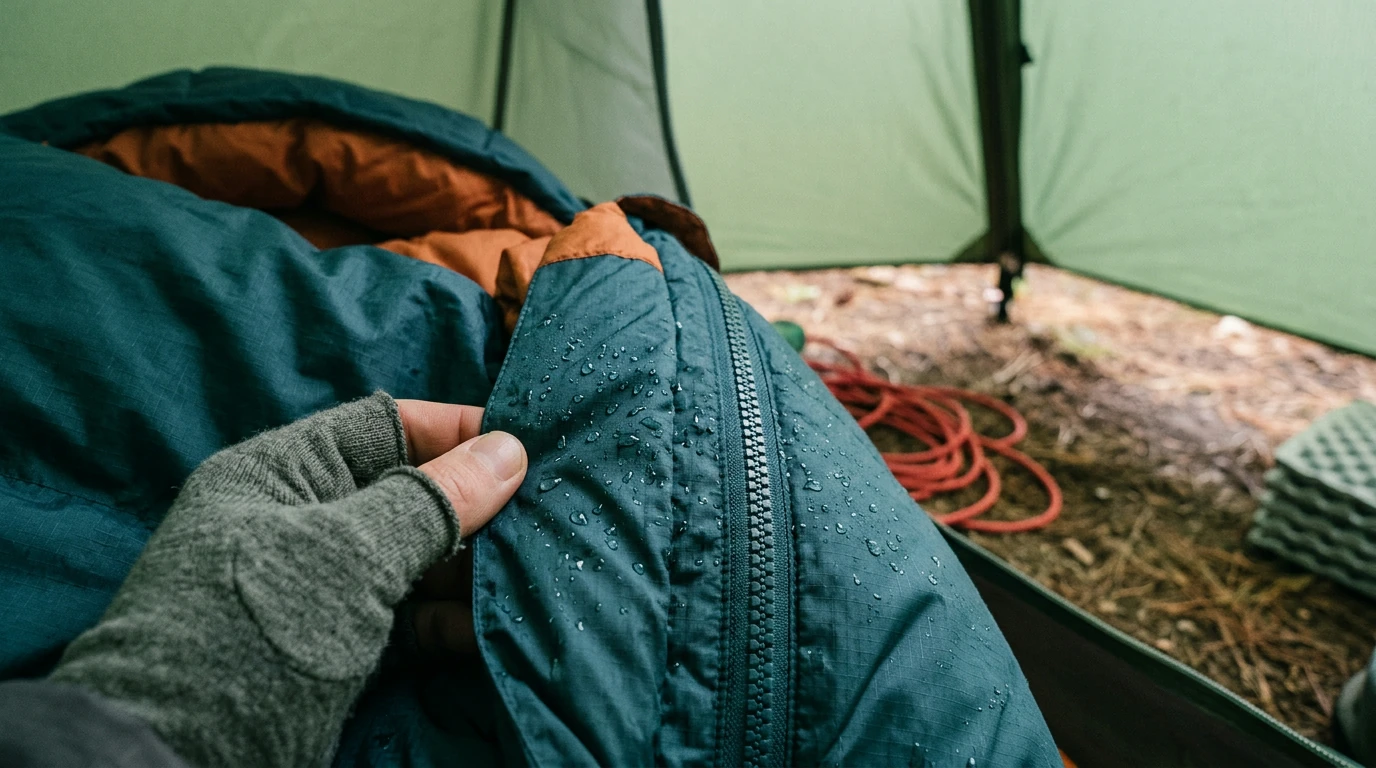
Is there such a thing as a waterproof sleeping bag?
Yes, but the term needs context. Some sleeping bags use waterproof or highly water-resistant shell fabrics, and specialized models may be designed to handle wet conditions. However, a sleeping bag that is completely waterproof in every situation is uncommon. Sealed fabrics can trap sweat and water vapor, leaving the insulation damp from the inside.
Waterproof versus water-resistant
A water-resistant shell can help protect a bag from light splashes, condensation, and brief contact with damp surfaces. It is not necessarily built to withstand heavy rain or prolonged exposure to water. Check the product specifications for details about the shell, seams, and intended use rather than relying on the word “waterproof” alone.
How to stay dry overnight
For rainy or humid trips, it often works better to protect a sleeping bag with a waterproof bivy sack or sleeping bag cover. A tent or tarp can provide another layer of shelter. Keep the bag off wet ground, pack it in a waterproof stuff sack while traveling, and air it out when conditions allow. These steps help prevent outside moisture from soaking the insulation without relying on the sleeping bag shell to do everything.
Choosing the right setup
Consider the weather, shelter, and type of insulation. Down insulation can lose much of its warmth when wet, while synthetic insulation generally retains more insulating ability when damp, though it still needs to be dried. For practical tips on choosing a lightweight option for damp nights, read the guide to ultralight waterproof sleeping bags.
In short, waterproof sleeping bags do exist, but a water-resistant bag paired with reliable rain protection is often a more flexible way to stay comfortable and dry.
For Waterproof Sleeping Bags: What Campers Need to Know, the best answer depends on fit, material, care instructions, and how the product will be used day to day.
FAQ
How do you keep a sleeping bag dry while camping?
Use a waterproof stuff sack for transport and sleep under a tent, tarp, or bivy sack. Keep the bag away from wet ground and ventilate your shelter to reduce condensation.













Leave a comment